


Email remains one of the highest-performing digital marketing channels, delivering direct access to customers in an increasingly crowded online landscape. Yet, even the most compelling email campaign is ineffective if recipients never open it. With inboxes becoming more competitive and email providers relying on sophisticated algorithms to filter content, improving open rates has become a critical challenge for marketers.
The good news is that higher open rates are not the result of luck. They stem from a combination of strategic audience targeting, compelling messaging, proper timing, and ongoing optimization. Businesses that consistently achieve above-average open rates understand their audience and continuously refine their approach based on data.
This article explores the most effective email marketing best practices that can help brands increase open rates, strengthen customer relationships, and maximize the return on their email marketing investment.

Why Email Open Rates Matter
Open rates serve as one of the first indicators of campaign performance. They reveal whether subscribers find your emails relevant enough to engage with. While click-through rates and conversions ultimately determine business outcomes, opens are the gateway to all subsequent interactions.
According to industry benchmarks, average email open rates across sectors typically range between 20% and 40%, depending on the industry and audience quality. Companies that consistently outperform these benchmarks often focus heavily on audience segmentation and personalization.
Higher open rates provide several benefits:
- Greater visibility for promotions and content
- Increased click-through opportunities
- Stronger customer engagement
- Improved email sender reputation
- Higher revenue potential from campaigns
Craft Subject Lines That Spark Curiosity
The subject line is the first impression your email makes. In many cases, it is the primary factor influencing whether someone opens or ignores your message.
Effective subject lines share several characteristics:
Keep Them Concise
Most mobile devices display only 30 to 50 characters before truncating the text. Shorter subject lines often perform better because they communicate value quickly.
Examples:
- Boost Sales Before Friday Ends
- Your Marketing Report Is Ready
- Three Ways to Cut Costs Today
Create Curiosity Without Being Misleading
Curiosity encourages opens, but clickbait damages trust. The goal is to give readers a reason to learn more without overpromising.
Example:
- The One Email Mistake Costing You Customers
Use Numbers and Specificity
Specific promises tend to outperform vague claims.
Example:
- 7 Proven Strategies to Increase Customer Retention
Test Different Approaches
A/B testing subject lines allows marketers to discover what resonates with their audience. Testing variables such as length, tone, urgency, and personalization can reveal significant insights.
Personalization Goes Beyond First Names
Many marketers insert a subscriber’s first name and consider the email personalized. Today’s consumers expect far more relevant experiences.
Modern personalization includes:
- Product recommendations based on browsing history
- Content tailored to customer interests
- Location-specific offers
- Purchase-based follow-ups
- Behavioral targeting
For example, an online retailer sending hiking gear recommendations to outdoor enthusiasts will likely achieve better engagement than sending generic promotions to its entire database.
Research consistently shows that personalized emails generate higher engagement because recipients perceive them as more relevant to their needs.
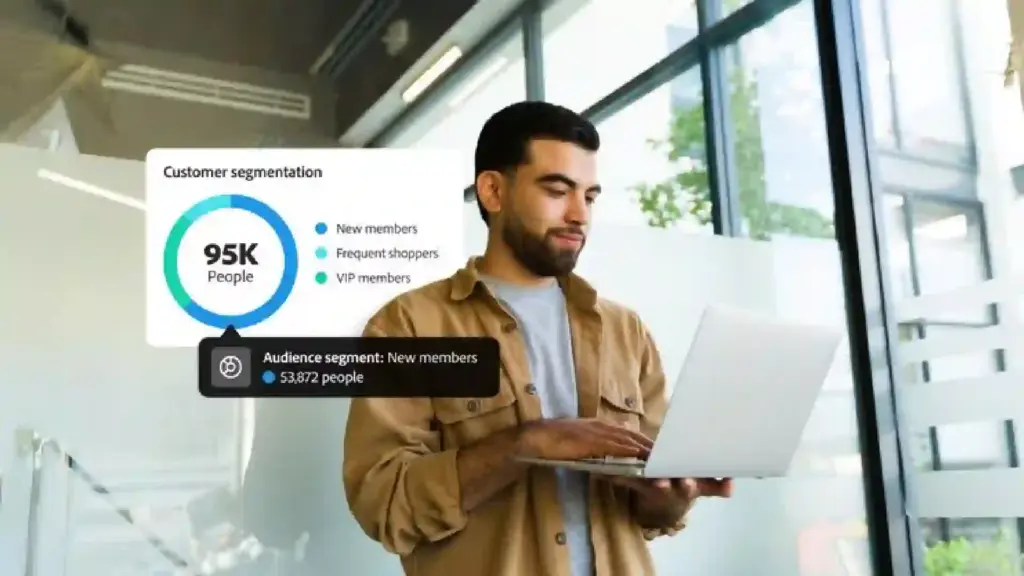
Segment Your Audience Strategically
One of the biggest mistakes in email marketing is treating every subscriber the same.
Audience segmentation allows marketers to deliver targeted content to specific groups based on shared characteristics.
Common segmentation criteria include:
Demographics
- Age
- Gender
- Location
- Industry
Behavioral Data
- Purchase history
- Website activity
- Email engagement levels
- Product interests
Customer Lifecycle Stage
- New subscribers
- Active customers
- Repeat buyers
- Dormant users
A software company, for instance, may send onboarding tips to new customers while providing advanced feature updates to experienced users. This relevance significantly increases open rates and engagement.
Optimize Send Times and Frequency
Even a perfectly crafted email can fail if it arrives at the wrong moment.
Identify Audience Patterns
Analyze engagement data to determine when subscribers are most active. Different industries and audiences often respond best at different times.
Common high-performing periods include:
- Tuesday through Thursday
- Mid-morning hours
- Early afternoon
However, no universal schedule exists. Testing remains essential.
Avoid Email Fatigue
Sending too many emails can lead to unsubscribes and declining engagement.
Signs of excessive frequency include:
- Falling open rates
- Increased unsubscribe rates
- Higher spam complaints
Successful marketers focus on delivering value rather than simply increasing volume.
Build Trust Through Sender Recognition
Subscribers often decide whether to open an email based on who sent it.
Best practices include:
Use a Consistent Sender Name
Recipients should immediately recognize your brand.
Examples:
- Sarah from Bidaya
- Bidaya Newsletter
- Bidaya Insights Team
Maintain Brand Consistency
The sender name, subject line, and content should align with subscriber expectations.
Consistency builds familiarity, which increases trust and improves open rates over time.
Improve Deliverability and Inbox Placement
An email cannot be opened if it never reaches the inbox.
Authenticate Your Domain
Implementing SPF, DKIM, and DMARC authentication protocols helps email providers verify legitimacy and reduces the likelihood of messages being marked as spam.
Clean Your Email List Regularly
Remove:
- Invalid addresses
- Hard bounces
- Long-term inactive subscribers
A smaller but engaged list often outperforms a larger, inactive database.
Avoid Spam Triggers
Excessive capitalization, misleading subject lines, and overly promotional language can negatively affect deliverability.
Instead of:
- ACT NOW!!!
- GUARANTEED RESULTS
Use:
- Limited-Time Opportunity
- New Growth Strategies Available
Leverage Preview Text Effectively
Preview text, often called preheader text, appears immediately after the subject line in many email clients.
When used strategically, it acts as a second headline that reinforces the value proposition.
Example:
Subject: Your Quarterly Marketing Report Is Ready
Preview Text: Discover the trends driving your strongest performance.
Together, they create a stronger incentive to open.
Mobile Optimization Is Essential
More than half of email opens now occur on mobile devices.
Marketers should ensure:
- Mobile-friendly layouts
- Short paragraphs
- Clear headlines
- Responsive design
- Fast-loading content
A cluttered mobile experience can discourage engagement and hurt future open rates.
Re-Engage Inactive Subscribers
Not every subscriber remains engaged indefinitely.
Instead of allowing inactive contacts to accumulate, launch re-engagement campaigns.
Examples include:
- Special offers
- Preference updates
- Feedback requests
- Win-back campaigns
Subject lines such as:
- We Miss You
- Is This Goodbye?
- Still Interested in Marketing Insights?
can help revive dormant audiences while improving overall list quality.
Use Data to Continuously Improve
The highest-performing email marketers treat every campaign as a learning opportunity.
Track metrics such as:
- Open rates
- Click-through rates
- Unsubscribes
- Conversion rates
- Device usage
Regular testing should include:
- Subject lines
- Sender names
- Send times
- Email frequency
- Audience segments
Over time, incremental improvements compound into significantly stronger performance.
Conclusion
Higher email open rates are achieved through relevance, trust, and continuous optimization. Marketers who focus on audience segmentation, compelling subject lines, personalization, deliverability, and data-driven testing consistently outperform competitors in crowded inboxes.
As email platforms become increasingly sophisticated, success will depend less on mass broadcasting and more on delivering timely, personalized experiences that genuinely resonate with subscribers. Brands that embrace this customer-centric approach will not only improve open rates but also build stronger relationships that drive long-term growth.
FAQ
1. What is considered a good email open rate?
A good email open rate typically falls between 20% and 40%, though benchmarks vary by industry, audience quality, and campaign type.
2. How can I improve email subject lines?
Focus on clarity, curiosity, personalization, and brevity. A/B testing different subject line styles can reveal what resonates best with your audience.
3. Does personalization really increase open rates?
Yes. Personalized emails often outperform generic campaigns because they provide more relevant content tailored to subscriber interests and behaviors.
4. How often should I send marketing emails?
Frequency depends on your audience and industry. Monitor engagement metrics to find a balance that maintains interest without causing email fatigue.
5. Why are my emails going to spam instead of the inbox?
Common causes include poor sender reputation, lack of domain authentication, spam-triggering language, and low-quality email lists. Regular list maintenance and proper authentication can improve deliverability.