


A nonprofit website is no longer a digital brochure. It is the front door to trust, the engine of donor engagement, and often the fastest path between public attention and measurable impact. In 2025, nonprofit website performance remains a decisive fundraising factor: M+R Benchmarks reports that nonprofits converted only 1.6% of website visitors into donors, generating $1.33 per visitor.
That means small improvements in speed, clarity, storytelling, and donation flow can create outsized results. For mission-led organizations, effective nonprofit website development is not about looking modern. It is about helping the right person understand the problem, believe in the solution, and take action within seconds.

Build Around One Primary Action
The strongest nonprofit websites make one thing unmistakably clear: what the visitor should do next.
For many organizations, that action is “Donate.” For others, it may be “Volunteer,” “Apply for Help,” “Join the Campaign,” or “Partner With Us.” The mistake is treating all actions equally. A homepage crowded with ten competing buttons forces visitors to think, and hesitation is the enemy of conversion.
A high-impact nonprofit site should use a simple hierarchy. The main call to action should appear in the header, hero section, mid-page, and footer. Secondary actions can support the journey, but they should not compete visually with the primary goal.
The data supports this focus. M+R found that donation page conversion rates remain challenging, with many visitors leaving before giving. Mobile conversion is especially difficult, even though mobile traffic continues to rise.
A practical example is charity: water, which uses clean design, emotional storytelling, and repeated donation prompts to turn awareness into action. The lesson is not to copy its aesthetic. The lesson is to remove friction from the path between belief and contribution.
Design for Trust Before Design for Beauty
Trust is the currency of nonprofit digital fundraising. Visitors ask silent questions the moment they land on a site: Is this organization real? Where does the money go? Who benefits? Can I verify the impact?
A credible nonprofit website answers these questions quickly. It should include visible financial transparency, impact reports, board or leadership information, contact details, privacy policies, and third-party validation where available. A secure donation experience is essential, but so is emotional reassurance.
Blackbaud Institute reported that overall charitable giving rose 1.9% year over year in 2024, while online giving rose 2.2%, showing that digital giving remains resilient but competitive.
Trust also comes from language. Avoid vague claims such as “changing lives worldwide.” Be specific: “$50 funds school supplies for one student for a semester” is more persuasive than “support education.”
The best nonprofit web design combines emotional proof with operational proof. Stories show why the work matters. Numbers show that the organization can deliver.
Make the Donation Experience Almost Effortless
A nonprofit can spend months attracting visitors, then lose them in a poorly built donation form.
Donation page optimization should be treated as a core development priority. The page should load quickly, work beautifully on mobile, support recurring giving, offer preset donation amounts, explain impact per amount, and reduce unnecessary fields. Every extra click creates a chance to abandon.
Monthly giving deserves special attention. M+R Benchmarks reports that monthly giving accounted for 27% of all online revenue in 2025.
That is not just a fundraising statistic. It is a website strategy. Recurring donation options should not be hidden at the bottom of a form. They should be clearly positioned as a sustainable way to fund long-term impact.
A strong donation page should answer three questions in less than ten seconds: What will my gift do? Can I trust this organization? Is this easy and secure?
Tell Impact Stories Like a Journalist, Not a Database
Nonprofit websites often over-index on internal language: program names, grant terminology, and strategic frameworks. Donors, volunteers, and partners usually care about something simpler: what changed because this organization exists?
Impact storytelling should follow a clear narrative arc. Introduce a person or community, explain the challenge, show the intervention, and reveal the outcome. Then connect the reader to the next action.
The strongest stories are specific but respectful. They avoid exploiting beneficiaries and instead highlight dignity, agency, and context. A food security nonprofit might show how a family moved from emergency food support to stable income. An education nonprofit might follow one student from dropout risk to graduation.
Data should support the story, not replace it. For example: “In 2025, our tutoring program helped 82% of participating students improve reading scores by at least one grade level.” That kind of sentence combines humanity with evidence.
In a crowded donor market, facts inform, but stories mobilize.
Prioritize Mobile, Speed, and Accessibility
A nonprofit website that is slow, inaccessible, or difficult to use on mobile silently excludes people.
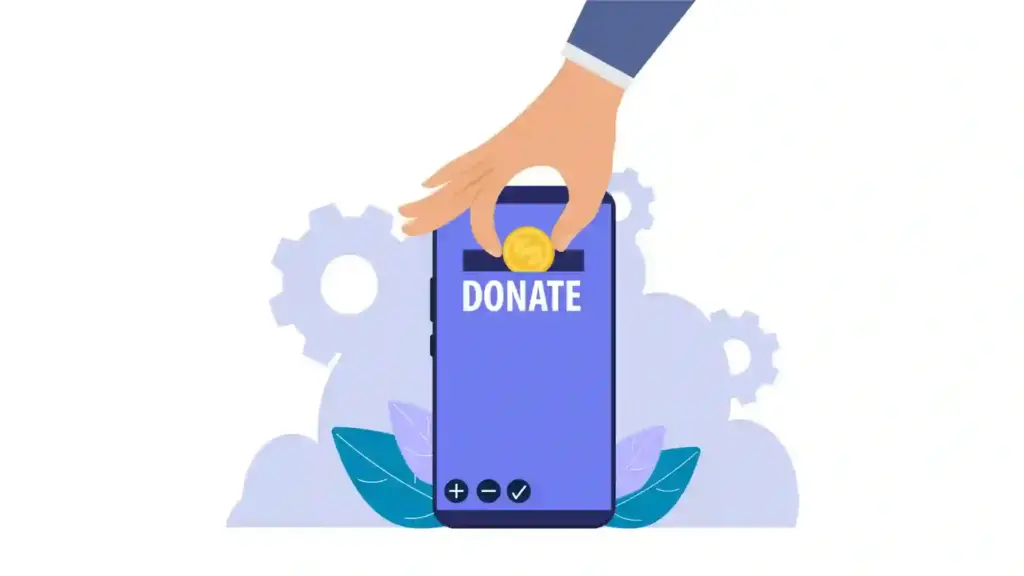
Mobile-first development is now essential. Buttons should be large enough to tap. Donation forms should support digital wallets where possible. Text should be readable without zooming. Pages should load quickly even on weaker connections, especially for organizations serving lower-income or crisis-affected communities.
Accessibility is also a mission issue. Websites should follow core accessibility practices: strong color contrast, keyboard navigation, alt text for images, descriptive links, captions for video, and clear heading structure. These improvements help people with disabilities, but they also improve usability for everyone.
Website performance is directly tied to fundraising. M+R’s website benchmarks show that nonprofit sites generated donations from just 1.6% of visitors, which means every lost visitor matters.
The global perspective is important here. A donor in London, a volunteer in Nairobi, and a beneficiary in Manila may all experience the same site differently. The best nonprofit website development strategies account for bandwidth, language, device type, and cultural context.
Use Content Strategy to Build Long-Term Authority
A high-impact nonprofit website should not depend only on campaigns. It should become a trusted resource.
Content strategy helps organizations attract search traffic, educate stakeholders, and build credibility over time. This includes issue explainers, annual impact articles, beneficiary resources, donor guides, policy briefs, and field updates.
For example, a climate nonprofit might publish explainers on community resilience. A health nonprofit might provide prevention guides. A refugee support organization might maintain multilingual service pages.
This is where SEO becomes mission infrastructure. Search-optimized content helps people find help, understand the issue, and support the work. The goal is not traffic for vanity. The goal is discoverability for impact.
Each major page should have a clear keyword focus, strong internal links, concise metadata, and structured headings. Nonprofits should also update older pages regularly, especially statistics, program details, and donation appeals.
Connect the Website to the Full Donor Journey
A website does not work alone. It should connect with email, social media, CRM systems, events, grants, and reporting.
When someone donates, signs up, downloads a report, or registers to volunteer, that action should trigger a thoughtful follow-up journey. A thank-you email should arrive immediately. A new donor should receive a welcome sequence. A volunteer should get clear next steps. A major donor prospect should be flagged for personal outreach.
This is where nonprofit website development becomes operational strategy. The site should integrate with tools like donor databases, email platforms, analytics, payment processors, and customer relationship management systems.
The year-end fundraising window makes this especially important. Blackbaud Institute notes that roughly 34% of all giving happens in the final three months of the year.
A nonprofit that waits until November to fix its donation page, tracking, or email flows is already late. The best organizations build the infrastructure before urgency arrives.
Measure What Matters
Nonprofit leaders should move beyond surface metrics such as page views. A website should be measured by mission-aligned outcomes.
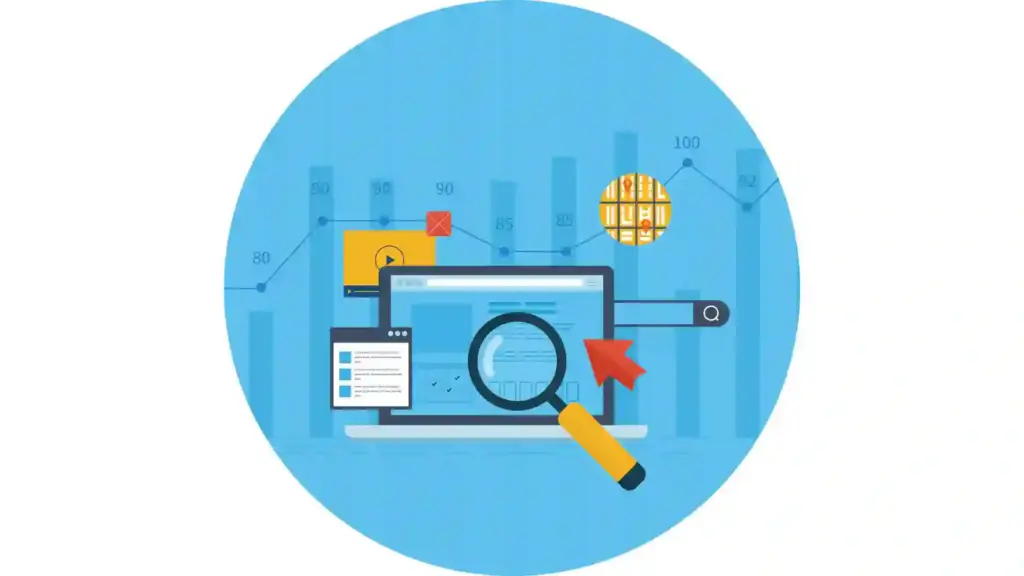
Key metrics include donation conversion rate, average gift size, recurring donor signups, volunteer form completions, newsletter conversion rate, service inquiries, page speed, accessibility errors, and traffic quality by channel.
Analytics should also reveal where visitors drop off. Are people leaving the donation form on mobile? Are they reading impact stories but not clicking donate? Are corporate partners visiting the partnership page but failing to inquire?
Measurement should lead to testing. Test donation amounts, headlines, button language, story formats, and page layouts. Small gains can compound. A one-percentage-point improvement in conversion may translate into thousands or millions in additional mission funding, depending on traffic volume.
Conclusion
The best nonprofit websites do not simply inform. They convert attention into trust, trust into action, and action into measurable impact.
Effective nonprofit website development starts with clarity: one primary action, a frictionless donation path, credible proof, human storytelling, mobile-first design, and strong back-end integration. It continues with discipline: testing, accessibility, content updates, and performance measurement.
For nonprofit leaders, the website should be treated as a strategic asset, not an IT expense. In a world where donors compare every digital experience to the best platforms they use daily, mission alone is not enough. The organizations that win support will be those that make generosity easy, transparent, and emotionally meaningful.
FAQ
1. What is nonprofit website development?
Nonprofit website development is the process of planning, designing, building, and optimizing a website to support a mission. It includes storytelling, donation tools, accessibility, SEO, security, and integrations with fundraising systems.
2. What makes a nonprofit website effective?
An effective nonprofit website clearly explains the mission, builds trust, shows measurable impact, works well on mobile, and makes donating or taking action simple.
3. How can nonprofits increase online donations?
Nonprofits can increase online donations by improving page speed, simplifying donation forms, adding recurring giving options, using impact-based donation amounts, and making calls to action highly visible.
4. Why is mobile design important for nonprofits?
Mobile design matters because many supporters discover and engage with nonprofits on phones. A poor mobile experience can reduce donations, volunteer signups, and campaign participation.
5. How often should a nonprofit update its website?
A nonprofit should review key pages quarterly and update impact data, program information, donation appeals, and campaign pages whenever major changes occur. Annual reports and financial information should be updated yearly.