


A decade ago, building a web application required teams to provision servers, manage infrastructure, patch operating systems, and constantly monitor capacity. Today, a growing number of organizations are moving toward a different model: serverless architecture.
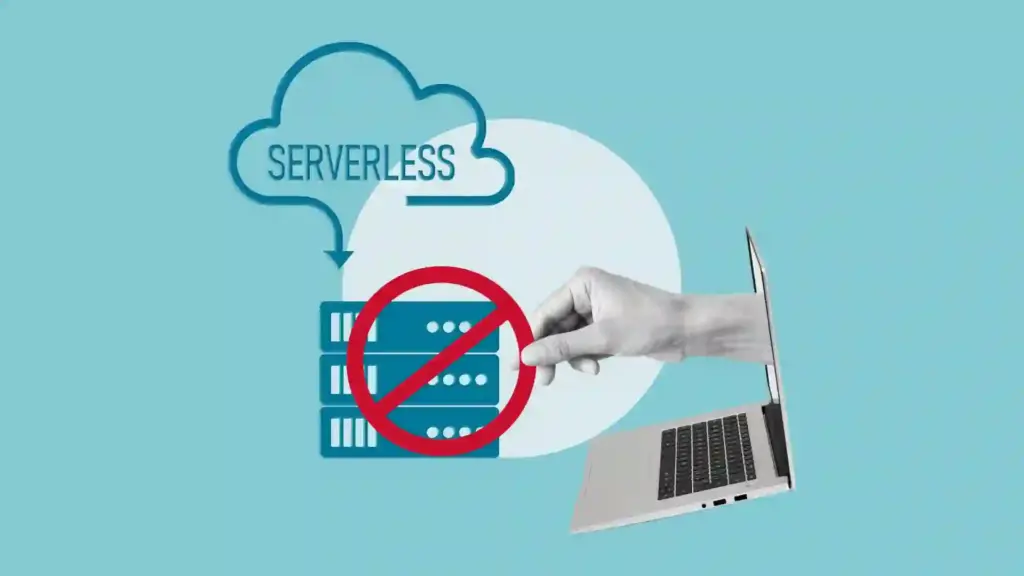
Despite its name, serverless does not mean servers disappear. Instead, cloud providers handle the underlying infrastructure while developers focus on writing code and delivering business value. This shift has become one of the most significant transformations in modern software development, enabling startups and enterprises alike to launch products faster, scale automatically, and optimize costs.
As artificial intelligence, real-time applications, and global digital services continue to expand, serverless architecture is positioned to play a central role in the future of web applications. The question is no longer whether businesses should explore serverless computing, but how they can leverage it strategically.
What Is Serverless Architecture?
Serverless architecture is a cloud computing model in which developers deploy code without managing servers directly. The cloud provider automatically provisions resources, scales workloads, and handles maintenance behind the scenes.
The most common implementation is Function-as-a-Service (FaaS), where individual functions execute in response to specific events such as API requests, file uploads, database updates, or user actions.
Popular platforms include:
According to AWS, serverless computing helps organizations improve developer productivity, strengthen security, and reduce operational overhead by eliminating infrastructure management responsibilities.
Think of serverless architecture like using ride-sharing instead of owning a car. Rather than maintaining the vehicle, paying insurance, and handling repairs, you simply request transportation when needed and pay only for usage.
Why Businesses Are Embracing Serverless
The rise of serverless is driven by a simple reality: businesses want to innovate faster while controlling costs.
1. Faster Time-to-Market
Development teams can focus entirely on application logic instead of configuring infrastructure. This accelerates product launches and reduces operational bottlenecks.
For startups, this means building a minimum viable product (MVP) in weeks rather than months. For enterprises, it enables rapid experimentation and digital transformation initiatives.
2. Automatic Scalability
Traditional applications often require engineers to predict traffic and provision capacity in advance. Serverless platforms automatically scale up or down based on demand.
A retail website handling thousands of transactions during a holiday sale can instantly expand resources and then scale back once traffic declines.
3. Cost Efficiency
Organizations pay only for actual compute usage rather than maintaining idle servers.
This pay-per-execution model is especially attractive for applications with unpredictable traffic patterns, including:
- E-commerce platforms
- SaaS products
- Media streaming services
- IoT applications
- AI-powered tools
The economic appeal remains one of the strongest drivers behind market growth. Industry research estimates the serverless computing market exceeded $24 billion in 2024 and is projected to continue expanding rapidly through 2030.
4. Improved Operational Focus
Infrastructure management often consumes valuable engineering resources. Serverless shifts that burden to cloud providers, allowing teams to concentrate on customer experience and product innovation.
How Serverless Is Transforming Modern Web Applications
The future of web applications increasingly revolves around flexibility, responsiveness, and global scalability. Serverless architecture supports all three.
Event-Driven Experiences
Modern applications are becoming highly event-driven.
Examples include:
- A payment confirmation triggering an email
- A photo upload launching image processing
- A chatbot responding to user input
- An AI workflow generating personalized recommendations
Serverless functions execute precisely when needed, making event-driven systems more efficient than continuously running servers.
Microservices at Scale
Many organizations are replacing monolithic architectures with microservices.
Instead of deploying one large application, teams break systems into smaller services that operate independently.
For example:
An online marketplace might separate:
- Product catalog management
- User authentication
- Payment processing
- Recommendation engines
- Order fulfillment
Each component can scale independently and be updated without affecting the entire platform.
Global Application Delivery
Cloud providers operate infrastructure across multiple regions worldwide.
Serverless deployments can place workloads closer to users, reducing latency and improving application performance.
This capability is especially valuable for businesses serving international audiences across North America, Europe, Asia, and the Middle East.

The Role of AI in Accelerating Serverless Adoption
Artificial intelligence is creating new demand for highly scalable computing environments.
AI-powered applications frequently experience unpredictable workloads. A chatbot may handle hundreds of requests one hour and millions the next.
Serverless architecture is well suited for these fluctuating patterns.
Examples include:
- AI customer support systems
- Document processing platforms
- Recommendation engines
- Fraud detection solutions
- Real-time analytics dashboards
Recent research has also demonstrated the viability of serverless systems for AI-powered financial analysis and data processing workloads, highlighting the model’s ability to support sophisticated applications at relatively low operational costs.
As generative AI becomes embedded into business software, serverless infrastructure is expected to become an increasingly important foundation layer.
Challenges and Limitations of Serverless Architecture
Despite its advantages, serverless is not a universal solution.
Successful organizations understand both the benefits and trade-offs.
Cold Start Latency
When a function has not been used recently, the platform may require additional time to initialize resources before execution.
For latency-sensitive applications, these delays can impact user experience.
Cloud providers continue improving performance, but cold starts remain an important architectural consideration.
Vendor Lock-In
Applications built deeply into one cloud ecosystem can become difficult to migrate.
For example, a solution heavily dependent on AWS-specific services may require substantial redevelopment to move elsewhere.
Businesses should consider portability when designing long-term cloud strategies.
Observability Complexity
In traditional systems, monitoring occurs on a small number of servers.
In serverless environments, thousands of short-lived functions may execute simultaneously.
Tracking performance, debugging issues, and monitoring dependencies can become more complex without proper observability tools.
Cost Surprises at Scale
While serverless often reduces costs initially, extremely high-volume workloads may become more economical on dedicated infrastructure.
Organizations should continuously evaluate cost-performance trade-offs as applications mature.
Industries Leading the Serverless Revolution
Several industries are already demonstrating the transformative potential of serverless computing.
Financial Services
Banks and fintech companies use serverless platforms for:
- Fraud detection
- Payment processing
- Risk analysis
- Customer notifications
E-Commerce
Retailers leverage serverless solutions to handle seasonal traffic spikes without maintaining excess infrastructure year-round.
Healthcare
Healthcare organizations increasingly adopt serverless systems for data processing, patient applications, and analytics while maintaining scalability and operational efficiency.
Media and Entertainment
Streaming services, content platforms, and gaming companies use serverless architectures to support unpredictable user demand.
Startups
Perhaps no group benefits more than startups.
Small teams can launch globally scalable products without investing heavily in infrastructure or operations personnel.
What the Next Five Years Will Look Like
Several trends are likely to define the future of serverless architecture.
1. AI-Native Applications
Many future applications will be designed around AI from day one.
Serverless infrastructure will provide the elasticity required to handle fluctuating AI workloads.
2. Edge Computing Expansion
Functions will increasingly execute closer to users through edge networks, reducing latency and improving responsiveness.
3. Hybrid Architectures
Most enterprises will not become entirely serverless.
Instead, they will combine:
- Traditional servers
- Containers
- Kubernetes environments
- Serverless functions
This hybrid model allows organizations to optimize performance and costs for different workloads.
4. Greater Enterprise Adoption
According to Datadog’s serverless adoption research, a significant majority of AWS customers already use at least one serverless service, while adoption continues growing across Azure and Google Cloud ecosystems.
As governance, security, and monitoring capabilities mature, larger enterprises are expected to expand their use of serverless technologies.
5. Platform Engineering Integration
Future development teams will increasingly consume infrastructure as self-service platforms.
Serverless functions will become a standard component within broader cloud-native engineering ecosystems.

Conclusion
Serverless architecture represents more than a technical trend. It reflects a broader shift in how software is built, deployed, and scaled.
By eliminating infrastructure management, enabling automatic scalability, and supporting event-driven development, serverless empowers organizations to focus on innovation rather than operations. From startups launching new products to enterprises modernizing legacy systems, the model continues to gain momentum across industries.
The future of web applications will likely be defined by cloud-native experiences, AI integration, and globally distributed services. In that future, serverless architecture will serve as a foundational technology that helps businesses move faster, operate more efficiently, and respond to changing customer demands.
Organizations that begin building serverless capabilities today will be better positioned to compete in an increasingly digital and AI-driven economy.
Frequently Asked Questions (FAQ)
1. What is serverless architecture?
Serverless architecture is a cloud computing model where developers deploy code without managing servers. Cloud providers automatically handle infrastructure, scaling, and maintenance.
2. Is serverless cheaper than traditional hosting?
For many applications, yes. Serverless uses a pay-per-use pricing model, reducing costs associated with idle infrastructure.
3. What are the biggest benefits of serverless computing?
Key benefits include automatic scaling, reduced operational overhead, faster development cycles, and improved cost efficiency.
4. What are the disadvantages of serverless architecture?
Potential drawbacks include cold starts, vendor lock-in, monitoring complexity, and higher costs for consistently heavy workloads.
5. Will serverless replace traditional servers completely?
No. Most organizations will adopt hybrid architectures that combine serverless functions, containers, and traditional infrastructure depending on workload requirements.