


Endless scrolling looks harmless. A five-minute check becomes 45 minutes of videos, outrage, comparisons and breaking news. By the time the phone goes down, the mind is rarely calmer. It is more tired, more distracted and often more anxious.
This is not simply a personal discipline problem. Social platforms are designed to remove stopping points, learn our emotional triggers and keep attention moving. For entrepreneurs, students, parents and young workers, the cost is now showing up in sleep, focus, confidence and mental health. Nearly half of U.S. teens say they are online “almost constantly,” according to Pew Research Center’s 2024 survey.
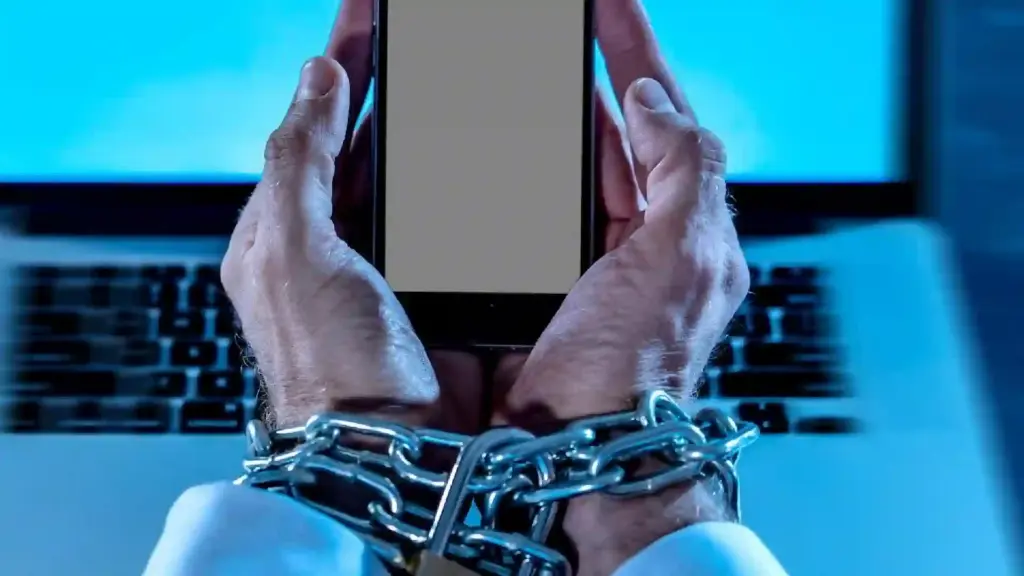
Why Endless Scrolling Feels So Hard To Stop
Endless scrolling works because it turns attention into a slot machine. Each swipe might bring a joke, a shocking headline, a beautiful face, a business tip or a personal message. That uncertainty keeps the brain searching for the next reward.
The U.S. Surgeon General has warned that there is not enough evidence to conclude social media is sufficiently safe for children and adolescents, especially given the scale of use. This matters because the habit often begins young, then follows people into adulthood, workplaces and relationships.
The problem is not only time spent. It is the emotional state created by the feed. A person may open an app to relax and leave feeling behind in life, angry at the world or unable to sleep.
The Mental Health Toll: Anxiety, Depression And Burnout
Research increasingly links heavy or compulsive screen use with worse mental health outcomes. A 2025 CDC study found that teenagers with higher non-school screen use were more likely to report depression symptoms, anxiety symptoms, poor sleep routines and lower social support.
Doomscrolling adds another layer. When the feed is dominated by war, layoffs, climate disasters, political conflict or social comparison, the brain stays on alert. Harvard Health describes doomscrolling as repeated exposure to distressing information that can harm wellbeing.
For adults, the effect can look like low-grade burnout. You are not resting, but you are also not working. You are consuming emotional noise while telling yourself you are taking a break.
The Sleep And Focus Penalty
Endless scrolling often steals the two things mental health depends on most: sleep and attention. Late-night scrolling delays bedtime, exposes users to emotionally stimulating content and makes it harder to mentally “land” before sleep.
The business cost is real. A founder who begins the day after a poor night of scrolling is less patient, less creative and more reactive. A young professional who checks feeds between every task trains the brain to expect interruption.
Pew’s 2025 research found that 44% of teens say they have cut back on social media use, and the same share say they have cut back on smartphone use. That is a revealing signal. Even digital natives increasingly recognize that constant connection can become too expensive.
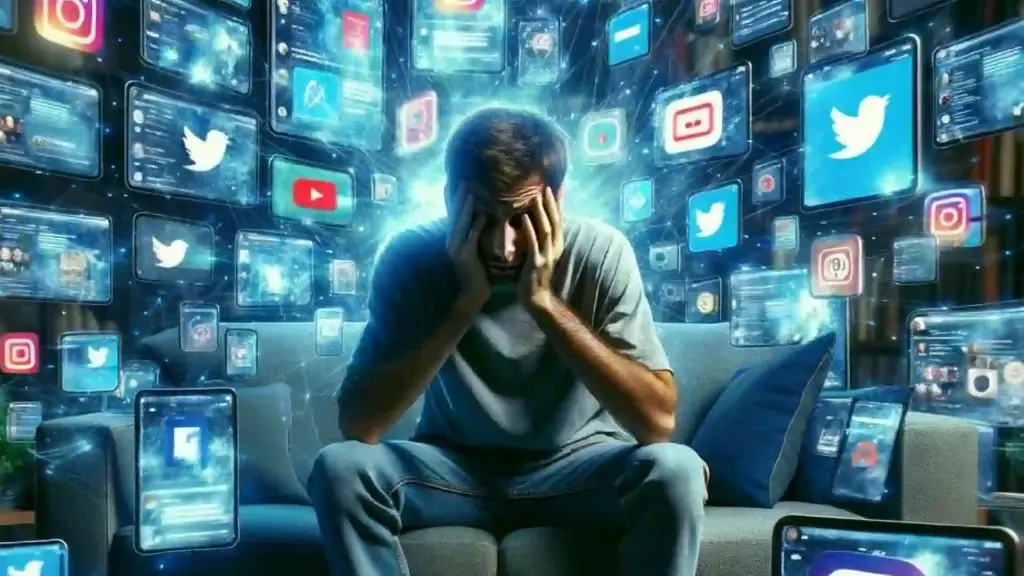
What Endless Scrolling Does To Self-Worth
Feeds are not neutral mirrors of reality. They are highlight reels, edited identities and algorithmic predictions. When people compare their private struggles with other people’s public success, self-worth can shrink.
This is especially visible in entrepreneurship culture. LinkedIn celebrates funding rounds. Instagram celebrates luxury. TikTok celebrates overnight success. The person watching from a small apartment, an early-stage startup or a stressful job may feel like they are losing, even when they are simply living a normal life.
The danger is subtle. Endless scrolling does not always create one dramatic mental health crisis. More often, it creates a daily drip of inadequacy.
A Healthier Digital Strategy
The answer is not to delete every app. Social media can educate, connect and create opportunity. The better question is: who is in charge, the user or the feed?
A healthier strategy starts with friction. Remove social apps from the home screen. Turn off nonessential notifications. Set app limits during sleep and deep work hours. Replace the first and last 30 minutes of the day with something physical: walking, stretching, prayer, journaling or breakfast without a phone.
For parents and leaders, the lesson is similar. Do not only ask, “How much screen time?” Ask, “What does this screen time do to mood, sleep, confidence and relationships?”
Conclusion
Endless scrolling is not free entertainment. It is paid for with attention, sleep, emotional energy and sometimes mental health. The platforms are not going away, but the habit can be redesigned.
The future belongs to people who treat attention like capital. Spend it deliberately, protect it fiercely and invest it where life actually grows.
FAQ
1. What is endless scrolling?
Endless scrolling is continuous content consumption on apps or websites without natural stopping points.
2. Is endless scrolling bad for mental health?
It can be, especially when it becomes compulsive, disrupts sleep or increases anxiety, comparison and stress.
3. What is doomscrolling?
Doomscrolling is repeatedly consuming negative or distressing news online, often despite feeling worse.
4. How can I stop endless scrolling at night?
Charge your phone outside the bedroom, set app limits and create a 30-minute screen-free bedtime routine.
5. Is all social media harmful?
No. Social media can support learning and connection, but unmanaged use can carry mental health costs.