


Artificial intelligence has quietly become the invisible co designer of the modern internet. From auto generated layouts to websites that adapt in real time to individual users, AI in web design is no longer experimental. It is operational. Businesses today face a dual reality. On one hand, AI offers unprecedented speed, efficiency, and personalization. On the other, it raises serious ethical questions around data privacy, bias, and creative ownership.
For founders, product leaders, and designers, the question is no longer whether to use AI in web design, but how to use it responsibly. This article explores three critical dimensions of AI in web design: automation, personalization, and ethics. Together, they define how digital experiences will be built, governed, and trusted over the next decade.
How AI Is Automating Web Design at Scale
AI driven automation is transforming web design in the same way assembly lines transformed manufacturing. Tasks that once required weeks of manual effort can now be completed in minutes.
From Manual Layouts to Intelligent Builders
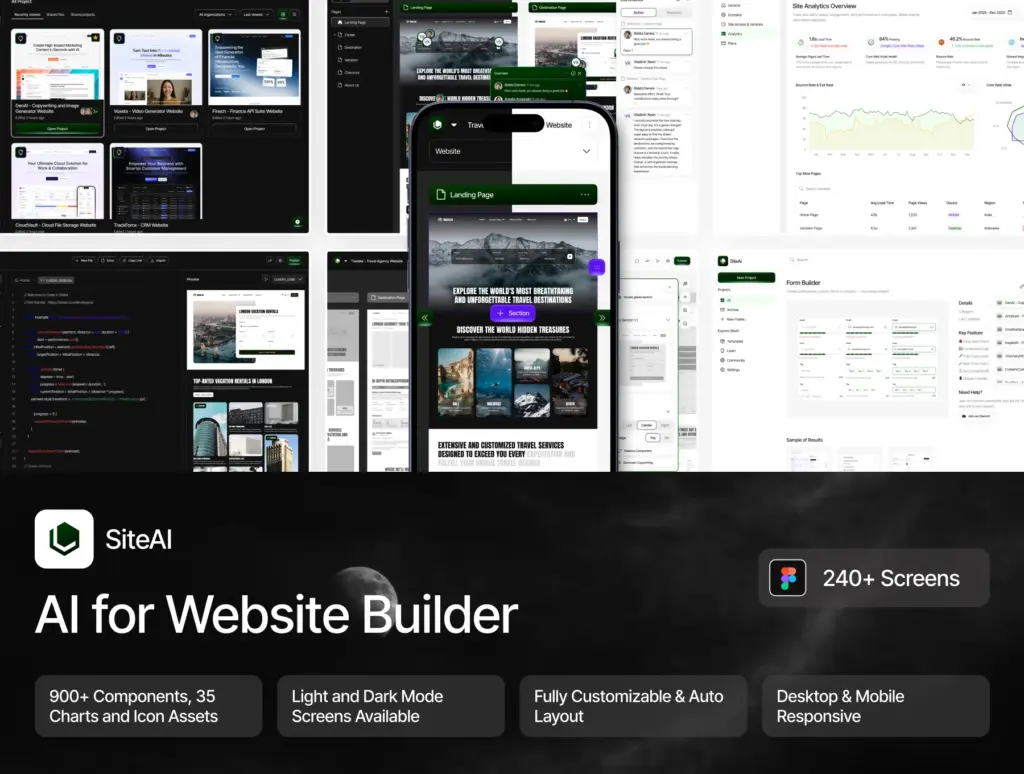
AI powered website builders analyze millions of design patterns to generate layouts optimized for usability and conversion. Platforms like Wix and Shopify now offer AI assisted setup tools that recommend layouts, color palettes, and content structures based on business type and audience.
According to a 2024 Adobe survey, over 65 percent of designers now use AI tools for repetitive tasks such as resizing assets, generating wireframes, or optimizing typography. This frees designers to focus on strategy and storytelling rather than production mechanics.
Code Generation and Maintenance
AI is also reshaping the technical backbone of web design. Tools powered by large language models can generate clean HTML, CSS, and JavaScript from simple prompts. More importantly, they can refactor and debug existing code, reducing long term maintenance costs.
For startups operating with lean teams, this automation lowers the barrier to entry. A founder with minimal technical background can now launch a functional, visually polished website in days rather than months.
The Business Impact
Automation shortens time to market and reduces costs. McKinsey estimates that AI driven design automation can reduce web development expenses by up to 30 percent for small and medium sized enterprises. The competitive advantage is clear: faster launches, quicker iterations, and more experimentation.
AI Powered Personalization: Designing for One User at a Time
If automation is about efficiency, personalization is about relevance. AI enables websites to adapt dynamically to each visitor, creating experiences that feel tailor made.
Behavior Driven Design
Modern AI systems analyze user behavior in real time, including location, device type, browsing history, and interaction patterns. Based on this data, websites can adjust layouts, content, and calls to action instantly.
For example, an ecommerce site might highlight premium products to returning users while showing introductory offers to first time visitors. This approach mirrors how Netflix personalizes content recommendations, but applied to web design itself.
A 2023 Salesforce report found that 73 percent of consumers expect brands to understand their unique needs. AI powered personalization is quickly becoming the baseline, not a luxury.
Conversion and Engagement Gains
Personalized web experiences consistently outperform static designs. Google data shows that personalized landing pages can increase conversion rates by up to 20 percent. Even small changes, such as adaptive headlines or personalized imagery, can significantly improve engagement.
Companies like Amazon have demonstrated how personalization at scale directly impacts revenue. While not every business operates at Amazon’s scale, AI tools are making similar capabilities accessible to smaller players.
The Design Challenge
Personalization introduces complexity. Designers must think in systems rather than static pages. Instead of designing one homepage, they design rules, variations, and decision trees. AI handles execution, but human designers define intent and boundaries.
The Ethical Dimension of AI in Web Design
As AI becomes more embedded in web design, ethical considerations move from abstract debates to operational decisions.
Data Privacy and Consent
Personalization relies on data. That data often includes sensitive behavioral signals. Without clear consent and transparency, AI driven websites risk violating user trust and regulatory frameworks such as GDPR.
A 2024 Pew Research Center study found that 81 percent of users feel they have little control over how companies use their data online. Ethical web design must prioritize clear disclosures, opt in mechanisms, and data minimization.
Bias in Design Algorithms
AI systems learn from existing data. If that data reflects bias, the resulting designs may unintentionally exclude or disadvantage certain groups. For example, AI generated imagery or language may overrepresent certain demographics while marginalizing others.
This is not a theoretical risk. Researchers at MIT have shown that algorithmic bias can influence everything from visual representation to accessibility features. Ethical AI in web design requires diverse training data and regular audits.
Creative Ownership and Authenticity
Another emerging issue is authorship. When AI generates layouts, copy, or visuals, who owns the creative output? More importantly, how do brands maintain authenticity when designs are partially machine generated?
Design leaders increasingly view AI as a collaborator rather than a replacement. Human oversight ensures that brand voice, cultural nuance, and emotional resonance remain intact.
Case Studies: AI in Web Design in Practice
Adobe and AI Assisted Creativity
Adobe has integrated AI across its design ecosystem, enabling features like automated layout suggestions and content aware design. The company reports that designers using AI assisted tools complete projects up to 40 percent faster while maintaining creative control.
Small Business Transformation
A Singapore based retail startup used AI driven personalization to localize its website for different Southeast Asian markets. By dynamically adjusting language, imagery, and promotions, the company increased regional conversion rates by 18 percent within six months.
These examples highlight a common theme: AI delivers the most value when paired with human strategy and ethical guardrails.
Best Practices for Using AI in Web Design Responsibly
- Start with clear objectives. Define what problems AI should solve before adopting tools.
- Design for transparency. Make data usage and personalization logic understandable to users.
- Audit for bias regularly. Test AI outputs across demographics and accessibility standards.
- Keep humans in the loop. AI should assist, not replace, design judgment.
- Plan for governance. Establish internal guidelines for ethical AI use in digital products.
Conclusion: The Future of AI in Web Design
AI in web design is reshaping how digital experiences are created, optimized, and governed. Automation accelerates production. Personalization deepens engagement. Ethics determines trust.
The winners in this new era will not be those who adopt AI the fastest, but those who adopt it most thoughtfully. As AI tools become more powerful, the role of designers evolves from pixel pushers to experience architects and ethical stewards.
For businesses, the message is clear. AI is not just a design tool. It is a strategic capability. Used responsibly, it can create websites that are not only smarter and faster, but also more human.
FAQs:
1. Can AI fully replace human web designers?
Not entirely. AI can generate layouts, suggest design systems, and optimize user flows using data, but human designers bring creativity, brand intuition, and strategic thinking that AI cannot fully replicate.
2. Where does AI outperform human designers?
AI excels at speed, automation, A B testing, personalization, and analyzing user behavior at scale. It can quickly generate variations and identify what converts best.
3. Where do humans still have the advantage?
Humans understand emotional storytelling, brand positioning, and cultural nuance. Strategic design decisions often require empathy and context that AI tools lack.
4. Is AI generated design good for startups?
Yes, especially for early stage companies needing fast deployment and lower costs. AI tools can create functional, conversion focused websites quickly.
5. Does AI improve conversion rates?
It can. AI driven personalization and predictive design adjustments can increase engagement and optimize user journeys.
6. What is the future of AI in web design?
The future is hybrid. AI will handle automation and data driven optimization, while human designers focus on strategy, branding, and innovation.