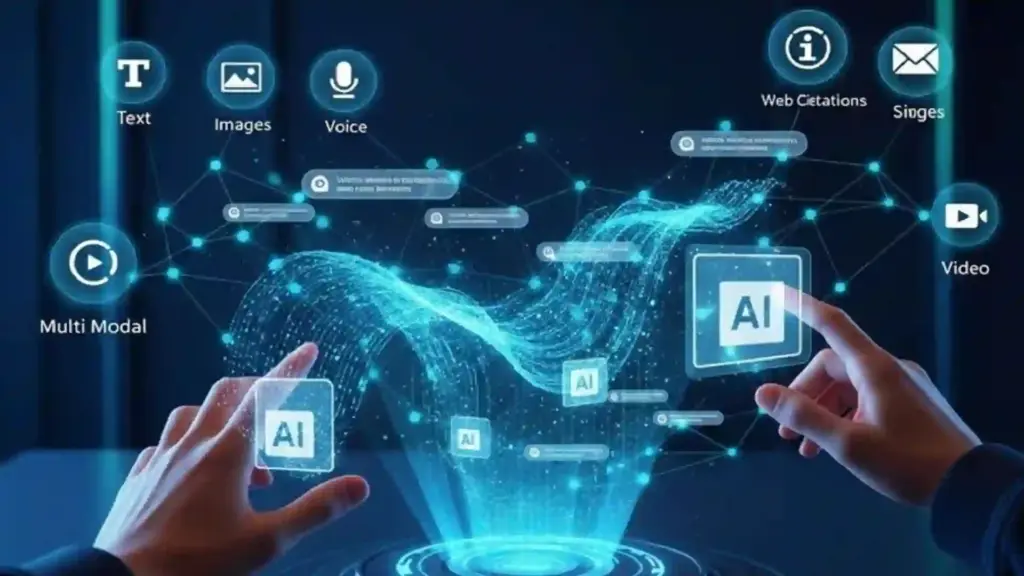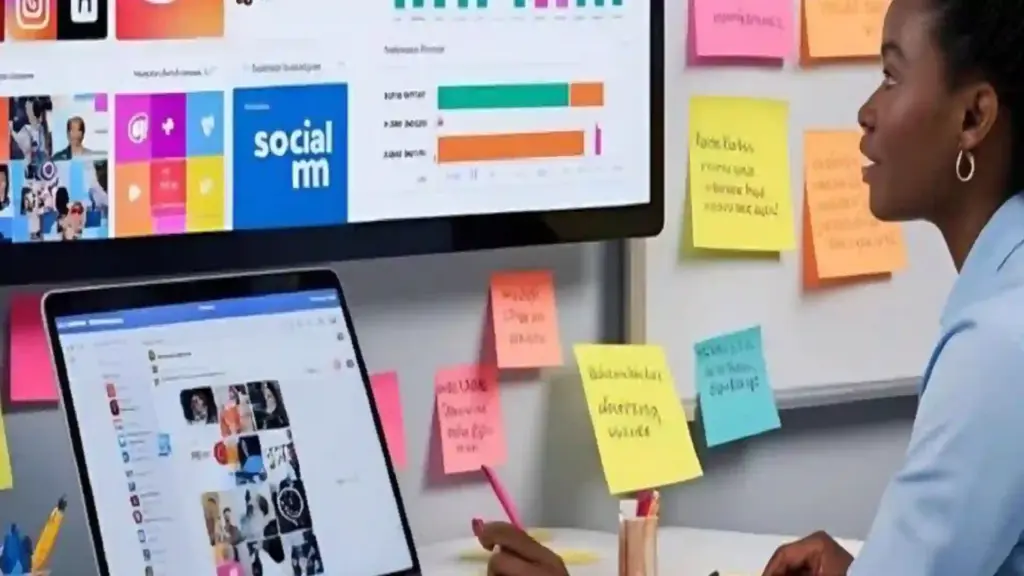


AI is no longer an optional advantage in marketing. By 2025, it has become a structural requirement. Companies across industries are embracing AI first marketing teams that blend human creativity with machine intelligence to deliver hyper personalization, automate workflows, and accelerate decision making. As customer expectations rise and data volumes explode, leaders are discovering that traditional marketing structures simply cannot keep pace.
This article explores the business impact of AI first teams in 2025: how they drive revenue, reshape creative processes, improve operational efficiency, and redefine the marketer’s role. Backed by global examples, recent data, and expert perspectives, it offers a blueprint for organizations looking to modernize their marketing engine for an AI-driven decade.
How AI First Teams Transform Marketing Performance
AI first marketing teams use automation and predictive intelligence to make faster, more accurate decisions. According to McKinsey’s 2024 State of AI report, companies adopting AI across their marketing workflows saw 15 to 25 percent uplift in ROI compared with traditional teams. This advantage comes from three core shifts.
1. AI speeds up insights
Instead of waiting weeks for manually prepared reports, AI powered analytics tools turn customer signals into insights in real time. These tools identify trending behaviors, segment audiences automatically, and even forecast churn or demand spikes. Companies like Airbnb have integrated AI modeling to personalize travel recommendations at scale, a move credited with improving retention metrics.
2. Automation boosts productivity
Generative AI now drafts emails, social posts, ad copy, product descriptions, and research summaries. Teams reallocate time to strategy and creativity while AI handles repetitive execution. HubSpot data from late 2024 shows marketers using AI assistants reduce content creation time by nearly 60 percent.
3. Better targeting increases revenue
AI driven personalization engines enable one to one experiences. Streaming companies such as Netflix use these engines to recommend content across millions of micro audiences, significantly increasing viewing hours and customer lifetime value.
The New Structure of AI First Marketing Teams
As AI becomes embedded across workflows, marketing organizations are restructuring themselves. In 2025, three roles are emerging as standard components:
1. AI Marketing Strategist
This role bridges data science with brand strategy. The strategist selects appropriate AI tools, ensures data quality, and designs automation workflows. Gartner forecasts that by 2026, 60 percent of marketing departments will have a dedicated AI strategist.
2. Prompt and Workflow Engineer
This specialist tunes generative AI systems, engineers prompts, and builds templates for campaigns. Companies like Coca Cola and Unilever already employ prompt engineering teams to scale brand content globally.
3. Human Creative Lead
AI enhances creativity but does not replace brand guardianship. Creative leads now supervise AI generated content, refine conceptual direction, and maintain brand voice consistency.
This hybrid team structure accelerates execution while preserving human judgment, storytelling, and ethics.
Revenue Growth Driven by Personalization and Predictive Analytics
A major impact area of AI first marketing is revenue expansion. Personalized experiences are no longer differentiators; they are expectations.
Hyper personalization at scale
Retail giants such as Amazon leverage AI powered recommendation engines that influence more than 35 percent of total purchases, according to the company’s public disclosures. In 2025, smaller businesses are adopting similar capabilities through accessible SaaS tools like Klaviyo and Shopify Magic.
Predictive analytics boosts conversion
AI systems anticipate customer needs before the customer takes action. Predictive lead scoring, automated lifecycle sequences, and dynamic pricing models all improve conversion rates. Salesforce’s 2024 Marketing AI Survey found that predictive lead scoring alone can increase win rates by up to 30 percent in B2B sectors.
Case Study: Travel and Hospitality
Marriott introduced AI driven personalized trip planning in 2024 using customer preferences, loyalty data, and seasonal trends. Early results showed a 12 percent increase in per-guest spending due to targeted upsell recommendations.
Cost Reduction and Operational Efficiency Gains
AI first teams reduce marketing expenses while boosting output.
Automated workflows reduce labor costs
Marketing automation tools replace manual campaign setup, A B testing, reporting, and segmentation. A 2024 Adobe study reports that AI automation cuts operational marketing costs by 20 to 40 percent for enterprise teams.
Faster experimentation improves results
AI instantly generates variations of ads, subject lines, or landing pages. Instead of testing two creative versions, AI can test dozens at once. Meta’s Advantage+ AI tools allowed advertisers to reduce cost per acquisition by up to 17 percent in 2024.
Example: FMCG Sector
A leading global beverage brand automated social content creation across 20 markets. The result: 10 times more content output with the same team size and a 22 percent drop in production cost.
Creativity Reinvented: The Human plus AI Model
Some leaders worry that AI will dilute creativity, but 2025 has shown the opposite. AI amplifies the creative process.
AI as a creative partner
Generative tools provide drafts, ideas, and variations at speed. Humans refine, evaluate, and add cultural nuance. The World Federation of Advertisers (WFA) found that 70 percent of creative directors now use AI in brainstorming, not as a replacement but as an enhancer.
Real world creative transformation
Coca Cola’s Create Real Magic platform enabled consumers to co create artwork using AI. The campaign generated global engagement and increased brand sentiment, demonstrating how AI can deepen consumer relationships.
Ethical and brand control
Human oversight ensures that AI generated content aligns with brand identity, avoids bias, and adheres to cultural sensitivities. Companies are building internal AI guidelines to maintain trust.
Global Perspectives: How Regions Adopt AI First Marketing
North America
High adoption driven by SaaS innovation and venture investment. Companies scale personalization and automation rapidly.
Europe
Stricter AI governance frameworks require careful compliance. However, top companies in retail, finance, and automotive are integrating responsible AI at scale.
Middle East
GCC economies like the UAE and Saudi Arabia are investing heavily in AI infrastructure and marketing transformation initiatives, integrating advanced personalization into government services and tourism.
Asia Pacific
Markets like India, Singapore, and South Korea are experiencing explosive MarTech growth, enabling startups to deploy AI first strategies from day one.
The Roadblocks: Skills, Data, and Legacy Systems
While AI first teams offer significant benefits, challenges remain.
Talent shortages
There is a global shortage of prompt engineers, AI savvy marketers, and data specialists. Companies are increasing investment in training programs and partnerships with universities.
Data readiness
Many organizations lack clean, unified datasets. AI cannot deliver value without reliable data pipelines.
Integration with legacy systems
Older CRMs and CMS platforms limit AI adoption. Forward thinking businesses are migrating to modular and API friendly architectures.
Conclusion: AI First Is the New Marketing Standard
In 2025, AI first marketing teams are proving to be one of the strongest competitive differentiators in business. They improve revenue, efficiency, creativity, and customer satisfaction. Organizations that embrace this shift are not just optimizing marketing; they are future proofing their business operations for the next decade.
Companies that fail to adopt AI first practices risk falling behind in speed, relevance, and customer understanding. Leaders should begin with data readiness, talent development, and pilot projects that prove fast ROI. The winners of 2030 will be defined by the AI driven marketing systems they build today.