

Zero-click search has become one of the most disruptive shifts in the digital landscape. As Google, TikTok, and AI-driven answer engines increasingly provide instant answers directly on the results page, fewer users are clicking through to websites. For brands that rely on search visibility, this trend represents both a challenge and a turning point. Zero-click search is not merely an SEO trend; it is a structural transformation of how information is consumed and how brands must compete for attention.
In 2022, a SparkToro study found that nearly 65 percent of Google searches ended without a click. The number is believed to be even higher today as AI-generated summaries roll out globally. The brands that survive this new era will be those that innovate, not imitate. This article unpackes what zero-click search means for leaders, how it affects global businesses, and the strategies that forward-thinking companies are using to stay discoverable.
What Zero-Click Search Means in 2025
Zero-click search refers to any search in which users find the information they need on the search results page without clicking on a link. This includes featured snippets, knowledge panels, map packs, People Also Ask boxes, and most recently, AI-generated answers.
For search platforms, zero-click experiences increase engagement time and reinforce user loyalty. For brands, it compresses visibility, squeezes organic traffic, and intensifies competition for real estate that keeps shrinking. According to Semrush’s 2024 Search Trends Report, generative search interfaces have increased instant-answer results by an estimated 18 percent worldwide.
Globally, businesses in emerging markets are experiencing an even faster acceleration because mobile-first users are more likely to rely on quick answers rather than deep-click navigation. What this means is that companies must now measure visibility differently: impressions, on-SERP authority, and brand recall are becoming as important as traffic itself.
Why Zero-Click Search Threatens Traditional SEO
Traditional SEO was built on optimizing content so users would click through to a website. Zero-click environments break this expectation. Today, being visible on the SERP often matters more than earning the click.
Three trends are accelerating this shift:
- AI-generated summaries compress competition
With Google’s AI Overviews and Bing’s AI answers, content from multiple brands is aggregated, rewritten, and presented without attribution. A 2024 Nielsen Norman Group usability study found that users are 42 percent less likely to scroll past AI answers. - Search platforms prioritize their own ecosystem
Google Maps, YouTube, and Shopping results increasingly dominate page one. This is especially evident in travel, food, and professional services. - User behavior is shifting toward speed
As users adopt conversational search, they expect results instantly. This reinforces a habit loop where the result page becomes the destination.
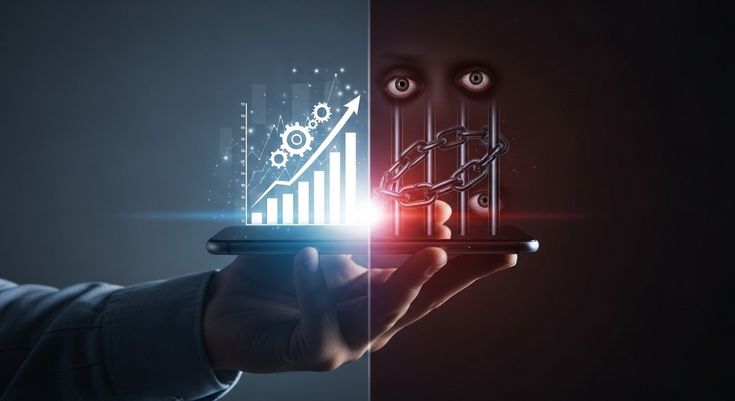
In this environment, brands lose more than clicks. They lose data, user behavior insights, and remarketing opportunities.
The New Metrics of Search Visibility
In a no-click world, KPIs must evolve. Global marketing leaders are increasingly shifting toward metrics that capture influence rather than just traffic.
Key emerging metrics include:
- On-SERP visibility: presence in snippets, map packs, and AI answers
- Brand query growth: an indicator of brand recall and offline halo
- Entity strength: how clearly a brand is recognized and contextualized by search engines
- Impression share: especially critical in local SEO and product listings
- Assisted conversions: capturing users who first encountered the brand through a zero-click experience
For example, a 2023 BrightLocal study found that local businesses appearing in map packs saw a 30 percent lift in calls and direction requests despite no rise in website clicks. Visibility is still value, even without visits.
Strategies to Win Brand Visibility in a Zero-Click Era
Winning today requires a shift from “ranking content” to “building digital authority.” Below are strategies global leaders are using to reclaim visibility.
Strengthen Your Brand Entity
Search engines rely on structured signals to understand a brand. Companies investing in entity SEO schema markup, consistent NAP data, and authoritative external mentions gain stronger placement in AI answers and featured snippets.
Optimize for Featured Snippets and AI Overviews
Content must now be structured for answer extraction. This includes concise definitions, numbered steps, FAQ blocks, and structured data. In industries such as fintech and healthcare, brands using rigid on-page question-and-answer formats have seen up to 22 percent higher snippet capture rates.
Become a Source, Not Just a Publisher
AI systems often reference authority domains such as universities, government sites, and industry leaders. Brands that publish original research, data reports, and expert interviews stand a far better chance of being used as a trusted source.
Prioritize Visual Search and Short-Form Content
Google Lens queries surpassed 12 billion monthly searches in 2023. Meanwhile, TikTok search is now the preferred engine for Gen Z in markets such as the United States, UAE, and Indonesia. Brands that adapt to visual, voice, and short-form search are securing multi-channel visibility where clicks matter less than presence.
Build Owned Channels to Reduce Search Dependency
Email newsletters, communities, podcasts, and proprietary apps have become essential. As one CMO told Bidaya, “Search is rented land. Your direct channels are the only real estate you own.”
Case Studies: How Leading Brands Are Adapting
HubSpot: Winning by Owning the Category
HubSpot strengthened its entity profile by publishing annual industry reports, glossary hubs, and comprehensive pillar pages. Even as clicks declined, their brand search volume grew by 14 percent year-over-year.
Grab (Southeast Asia): Dominating Local Search
Grab invested heavily in local SEO, ensuring consistent map listings across thousands of micro-locations. Even with zero-click local results rising, the company saw double-digit increases in app downloads driven by map visibility.
Monzo Bank (UK): Building Trust Through Transparency
Monzo’s strategy includes publishing real-time status pages, fee breakdowns, and customer service metrics. These high-clarity pages frequently surface in snippets and AI summaries, establishing trust at the point of search.
Conclusion
Zero-click search is not a temporary trend; it represents a fundamental rebalancing of power between platforms and brands. While clicks may decline, opportunities for influence have expanded. Brands that understand how to optimize for on-SERP visibility, strengthen their digital entities, create authoritative content, and build their own ecosystems will thrive in this transformed environment.
The battle for visibility is shifting from pages to presence. Leaders who adapt now will shape how the world discovers brands in the decade ahead.
FAQs:
1. What is zero-click search?
Zero-click search happens when users get answers directly on the search results page without clicking any website links.
2. Why is zero-click search important for brands?
It reduces website traffic but increases the importance of appearing in featured snippets, knowledge panels, and AI-generated answers.
3. How can brands stay visible in zero-click environments?
Brands should optimize for featured snippets, structured data, and concise, authoritative content that search engines can easily extract.
4. Does zero-click search hurt SEO performance?
It can reduce clicks, but it also creates new visibility opportunities through impressions, brand authority, and top-of-page placements.
5. What is the future of zero-click search?
With the rise of AI-driven search, zero-click experiences will grow, making brand visibility dependent on content quality, credibility, and structured optimization.