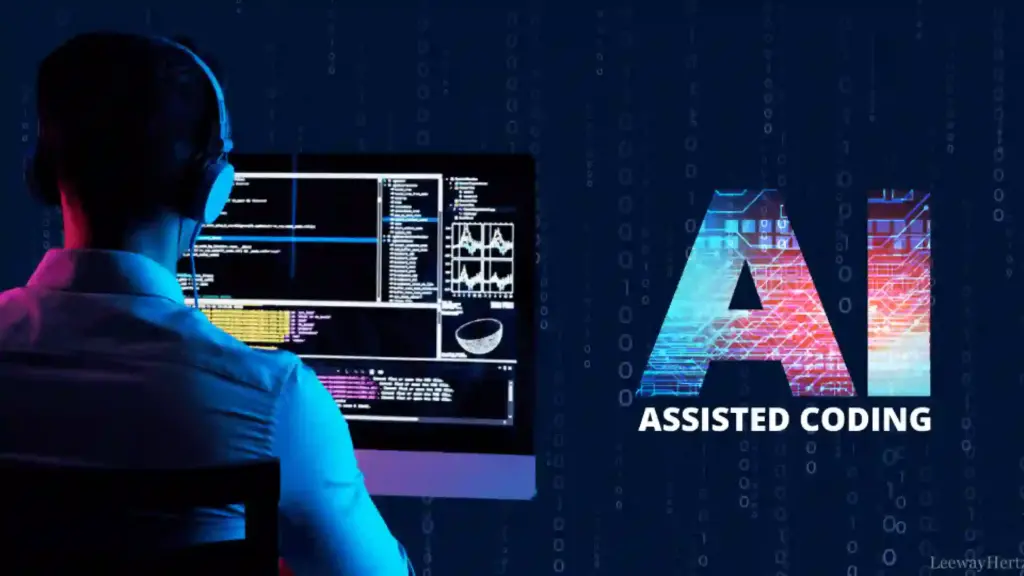


Artificial intelligence has transformed how software is built. Tools that generate code in seconds have sparked fears that web developers may soon become obsolete. Yet the global demand for web development skills continues to rise, not fall. According to industry data from 2024 and 2025, companies are hiring more developers, not fewer, even as AI tools become mainstream.
The reason is simple. AI has changed how websites and applications are built, but it has not replaced the need for human judgment, creativity, and accountability. Web development today is less about writing every line of code and more about solving business problems, designing user experiences, and integrating complex systems.
This article explains why web development skills remain essential despite AI, which skills matter most in the AI era, and how developers can stay competitive in a rapidly evolving market.

AI Is a Productivity Tool, Not a Replacement
AI-powered coding assistants such as GitHub Copilot and tools developed by OpenAI can autocomplete functions, suggest fixes, and generate boilerplate code. These tools dramatically improve productivity, especially for repetitive tasks.
However, AI does not understand business context. It cannot decide why a feature exists, whether it aligns with brand strategy, or how it affects user trust. A senior developer still needs to define requirements, review AI-generated code, and ensure it is secure, scalable, and maintainable.
A 2024 developer productivity survey found that AI tools reduced time spent on repetitive coding by nearly 30 percent, but did not reduce headcount. Instead, companies used the time savings to ship features faster and tackle more ambitious projects.
AI accelerates development. It does not eliminate the developer.
Businesses Need Custom Solutions, Not Generic Code
Most successful digital products are deeply customized. An e-commerce platform, a fintech dashboard, or a healthcare portal must reflect unique workflows, regulations, and user expectations. AI tools tend to generate generic solutions based on common patterns.
For example, a global retailer using platforms like Shopify still requires developers to customize checkout flows, integrate regional payment systems, and optimize performance across markets. These tasks demand architectural thinking and domain expertise that AI lacks.
Custom web development is also critical for competitive differentiation. When every competitor can generate similar templates using AI, the real advantage comes from thoughtful design, performance optimization, and seamless user journeys.
Frontend Development Remains Human-Centric
User experience is emotional, cultural, and contextual. Frontend development sits at the intersection of design, psychology, and technology. AI can generate HTML or CSS, but it cannot fully grasp how users feel when navigating an interface.
Consider accessibility. Meeting WCAG standards requires empathy and judgment. Developers must understand how users with disabilities interact with the web and adapt interfaces accordingly. AI can assist, but compliance and ethical responsibility remain human-led.
Similarly, responsive design across devices, performance tuning for low-bandwidth regions, and localization for global audiences require experience and testing in real-world conditions.
As long as humans use the web, human-centered frontend skills will stay in demand.
Backend and Systems Thinking Cannot Be Automated Away
Modern web applications are not just websites. They are distributed systems connected to APIs, databases, cloud infrastructure, and third-party services. Backend development involves trade-offs around security, scalability, latency, and cost.
AI can suggest code snippets, but it cannot take responsibility for architectural decisions. Choosing between microservices and monoliths, designing authentication flows, or planning disaster recovery strategies requires experience and accountability.
A 2025 cloud computing report showed that system outages cost enterprises an average of six figures per hour. This risk alone ensures that companies rely on skilled developers to design and maintain robust systems.
AI can assist with implementation, but humans remain responsible for outcomes.
Security and Compliance Demand Human Oversight
Cybersecurity threats are increasing, not decreasing. Web applications are prime targets for attacks involving data breaches, ransomware, and fraud. AI-generated code can unintentionally introduce vulnerabilities if not carefully reviewed.
Developers must understand secure coding practices, threat modeling, and regulatory compliance such as GDPR or regional data protection laws. These areas evolve constantly and depend on legal and ethical interpretation.
AI does not bear legal liability. Developers and organizations do. This reality ensures ongoing demand for skilled professionals who can audit, secure, and govern web systems responsibly.
AI Increases Demand for Higher-Level Developer Skills
Paradoxically, AI is raising the bar for developers rather than lowering it. As routine tasks become automated, the value shifts to higher-level skills such as:
- System design and architecture
- Product thinking and user empathy
- Cross-functional collaboration
- Code review and quality assurance
- Strategic use of AI tools
Junior developers who once learned by writing repetitive code now learn by understanding patterns and reviewing AI output. Senior developers become even more critical as mentors, reviewers, and decision-makers.
This shift mirrors past technological changes. Frameworks did not eliminate developers. Cloud computing did not eliminate developers. AI follows the same pattern.
The Global Digital Economy Is Expanding
Demand for web development is also driven by macroeconomic trends. Governments, startups, and enterprises worldwide continue to digitize services. From online education to telemedicine to cross-border commerce, the web remains the primary platform.
Emerging markets are seeing rapid growth in internet users, creating demand for localized, mobile-first web solutions. AI can help accelerate development, but it cannot replace the local knowledge and cultural understanding required to succeed in these markets.
The global nature of the web ensures long-term demand for adaptable, skilled developers.
How Developers Can Future-Proof Their Careers
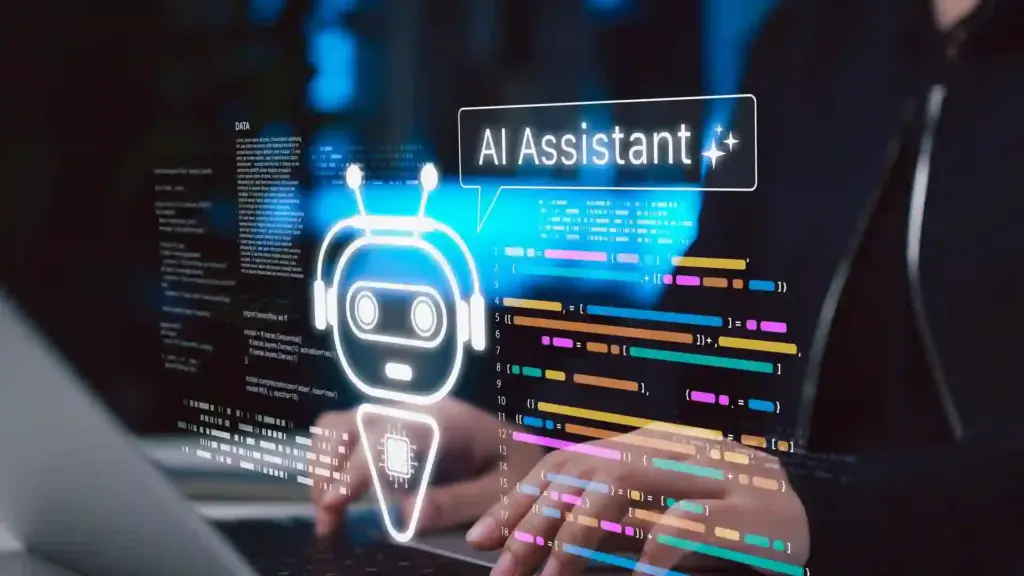
Web developers who thrive in the AI era adopt a mindset of leverage, not resistance. Key strategies include:
- Learn to use AI tools effectively as collaborators
- Focus on fundamentals like JavaScript, HTTP, and system design
- Develop soft skills such as communication and problem-solving
- Understand business goals, not just technical requirements
- Stay informed about security, privacy, and accessibility standards
Developers who combine technical expertise with strategic thinking will remain indispensable.
Conclusion: AI Changes the Tools, Not the Need for Developers
AI is transforming web development, but it is not eliminating it. The demand for web development skills remains strong because businesses need more than code. They need judgment, creativity, accountability, and trust.
Web developers who embrace AI as a tool rather than a threat will find themselves more productive, more valuable, and more in demand than ever. The future of web development is not automated away. It is augmented.
FAQs :
1. If AI can write code, why do companies still need web developers?
AI tools generate code, but they do not understand business context, user intent, or long-term product strategy. Web developers translate real-world problems into scalable, secure, and maintainable solutions. Companies pay for outcomes, not just lines of code.
2. Has AI reduced demand for web developers?
No. In 2025 and heading into 2026, demand for web developers continues to grow, especially for those who can integrate AI tools effectively. AI increases productivity, which often leads companies to build more products, not fewer teams.
3. What skills make web developers valuable in the AI era?
The most valuable developers combine coding with system design, UX thinking, performance optimization, and stakeholder communication. Knowing how to guide, review, and refine AI-generated code is now a core professional skill.
4. Will junior web developers be replaced by AI?
Entry-level roles are changing, not disappearing. Junior developers who rely only on syntax may struggle, but those who focus on fundamentals, debugging, and learning how systems work remain highly employable. AI shifts the learning curve upward rather than eliminating it.
5. How does AI actually help web developers in practice?
AI accelerates repetitive tasks like boilerplate generation, documentation, and debugging suggestions. This frees developers to focus on architecture, security, accessibility, and user experience. In practice, AI acts more like a power tool than a replacement.