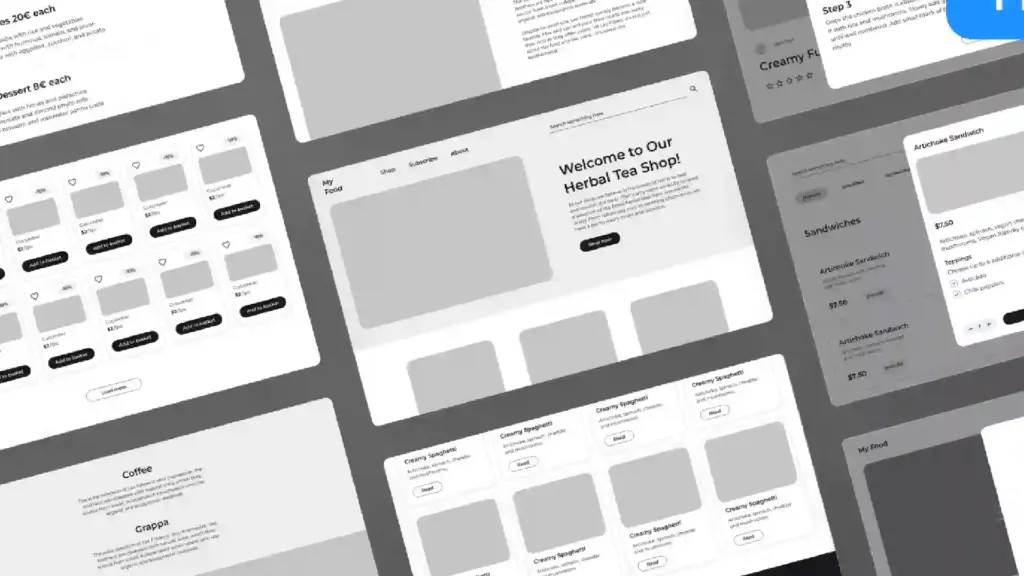


For decades, digital innovation revolved around screens. Buttons, menus, dashboards, and icons defined how humans interacted with technology. Today, that paradigm is quietly dissolving. The rise of No-UI and invisible design marks a fundamental shift from visible interfaces to experiences that feel natural, intuitive, and almost human.
Invisible design removes friction by minimizing traditional interfaces altogether. Instead of tapping and swiping, users speak, gesture, automate, or simply let systems work in the background. The goal is not to impress users with design, but to make technology disappear into daily life.
As AI, voice computing, and ambient intelligence mature, No-UI is moving from niche experimentation to mainstream strategy. For founders, product leaders, and designers, understanding this shift is no longer optional. It is a competitive necessity.
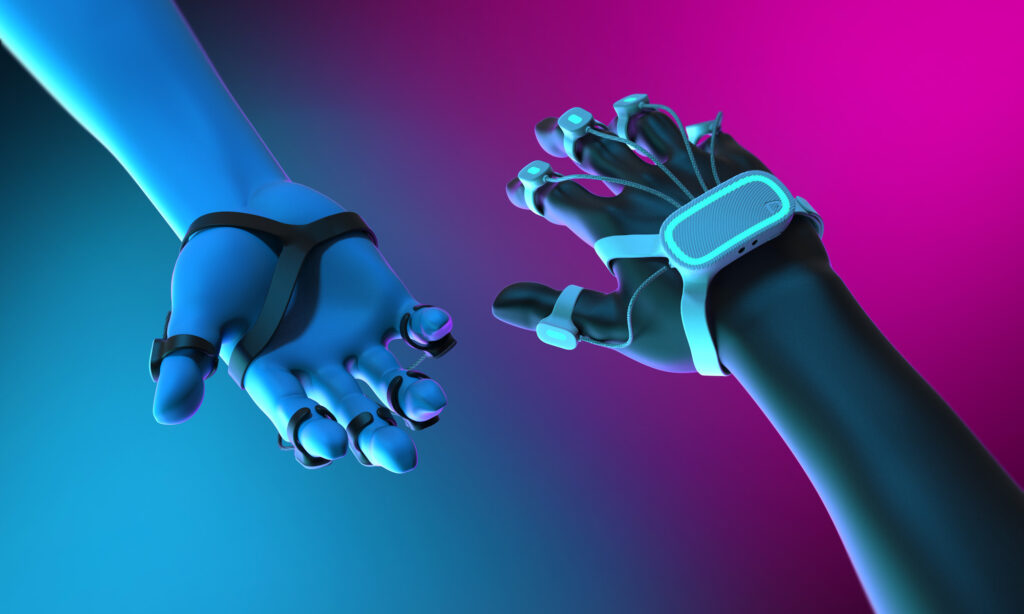
What Is No-UI and Invisible Design?
No-UI, short for “no user interface,” does not mean the absence of design. It means the absence of visible controls. Invisible design focuses on outcomes rather than interactions, allowing users to accomplish goals without consciously engaging with an interface.
This concept was popularized by designer Golden Krishna, who argued that the best interface is often no interface at all. Instead of asking users to learn systems, systems should learn users.
Examples are already embedded in everyday life. Voice assistants respond to spoken commands. Smart thermostats adjust temperatures automatically. Recommendation engines quietly personalize content without requiring manual input.
According to a 2024 Gartner report, over 60 percent of digital interactions are expected to occur without a screen by 2027. This data underscores a clear trend: interaction is becoming ambient, predictive, and invisible.
Why No-UI Is Gaining Momentum Now
Several technological and cultural shifts are converging to accelerate No-UI adoption.
First, artificial intelligence has reached a level where systems can understand context, intent, and patterns. Machine learning enables products to anticipate needs rather than wait for instructions. Second, voice recognition accuracy has crossed 95 percent in many languages, making speech a reliable interface.
Third, user behavior has changed. Screen fatigue is real. Consumers are overwhelmed by notifications, apps, and interfaces competing for attention. Invisible design offers relief by reducing cognitive load.
A McKinsey study from 2023 found that products requiring fewer explicit interactions saw up to 20 percent higher user retention. Less effort translates directly into better engagement and loyalty.

Real-World Examples of Invisible Design in Action
Some of the world’s most valuable companies are leading the No-UI movement.
Apple has steadily embraced invisible design through features like Face ID, background automation, and proactive suggestions. Users unlock devices, authenticate payments, and manage routines without tapping a single button.
Amazon transformed voice interaction into a household norm with Alexa. Millions of users control lights, music, and shopping lists through conversation rather than screens.
Google integrates invisible design through predictive search, smart replies, and ambient computing across its ecosystem. Google Assistant often acts before users realize they need help.
In the automotive sector, Tesla vehicles exemplify No-UI thinking by automating driving functions, climate control, and safety responses with minimal driver input. The interface fades into the background while the experience takes center stage.
Business Advantages of No-UI Design
Invisible design is not just a design trend. It is a strategic advantage.
First, it reduces friction. When users do not need to navigate complex interfaces, task completion becomes faster and more satisfying. Second, it increases accessibility. Voice and automation empower users with disabilities, language barriers, or limited technical literacy.
Third, No-UI products scale globally with fewer localization challenges. Speaking or gesturing is often more universal than reading text-heavy interfaces.
From a cost perspective, simpler interfaces can reduce long-term design maintenance. Instead of constantly redesigning screens, teams focus on intelligence, data, and user outcomes.
Harvard Business Review notes that companies investing early in ambient and invisible experiences often outperform competitors in customer satisfaction metrics within two years.
Design Challenges and Ethical Considerations
Despite its promise, No-UI design introduces new challenges.
The biggest risk is loss of control. When systems act automatically, users may feel disempowered or confused if outcomes are unexpected. Transparency becomes critical. Invisible systems must still explain themselves when needed.
Privacy is another concern. Invisible design relies heavily on data collection, context awareness, and continuous monitoring. Without clear consent and safeguards, trust can erode quickly.
There is also the challenge of discoverability. Traditional interfaces show users what is possible. In No-UI systems, users may not know what a product can do unless guided carefully through onboarding or subtle cues.
Successful invisible design balances automation with optional visibility, giving users confidence without cognitive overload.
How Startups Can Adopt No-UI Thinking
For startups and emerging companies, No-UI does not require massive budgets or advanced AI labs. It starts with mindset.
Begin by identifying repetitive user actions. Ask which steps can be automated, predicted, or removed entirely. Focus on outcomes, not interactions.
Voice is an accessible entry point. Many startups integrate conversational interfaces using existing platforms rather than building from scratch. Background automation, smart defaults, and proactive notifications also embody No-UI principles.
Most importantly, test relentlessly. Invisible experiences must be intuitive from day one. If users need instructions, the design is not truly invisible.
As one product leader at a leading fintech startup put it in 2024, “Our best feature is the one users never notice because it just works.”
The Future of Invisible Design
Looking ahead, No-UI will evolve into fully ambient experiences. Devices will sense emotion, environment, and intent, adapting in real time. Screens will not disappear entirely, but they will become secondary.
Industries such as healthcare, logistics, and education stand to benefit enormously. Imagine hospitals where systems anticipate patient needs, or classrooms where learning adapts silently to each student.
The winners of the next decade will not be those with the flashiest interfaces, but those with the quietest, smartest experiences.

Conclusion: Designing for Disappearance
The rise of No-UI and invisible design signals a profound shift in how humans and technology coexist. As interfaces fade, experience takes precedence. Products succeed not by demanding attention, but by earning trust through seamless support.
For business leaders and designers, the message is clear. The future belongs to those who design not what users see, but what users feel. Convenience, simplicity, and intelligence are the new benchmarks of innovation.
Invisible design is not about removing design. It is about perfecting it to the point of disappearance.
FAQs :
1. What is No-UI design?
No-UI design is an approach where traditional graphical interfaces like screens, buttons, and menus are minimized or removed entirely. Interaction happens through voice, gestures, automation, sensors, or context-aware systems, making technology feel invisible.
2. How is No-UI different from minimal UI?
Minimal UI still relies on screens and visual elements but reduces clutter. No-UI goes further by eliminating the need for screens altogether, allowing users to interact naturally without consciously engaging with an interface.
3. What are common examples of No-UI design today?
Voice assistants, smart home automation, biometric authentication, gesture-controlled devices, and AI systems that act automatically based on context are all real-world examples of No-UI design in action.
4. What are the main benefits of No-UI design?
The biggest advantages are simplicity, speed, accessibility, and reduced cognitive load. Users spend less time learning how to use technology and more time benefiting from it.
5. What challenges does No-UI design face?
Key challenges include lack of user control transparency, privacy concerns, accessibility for all users, and difficulty in troubleshooting when there is no visible interface to guide the user.