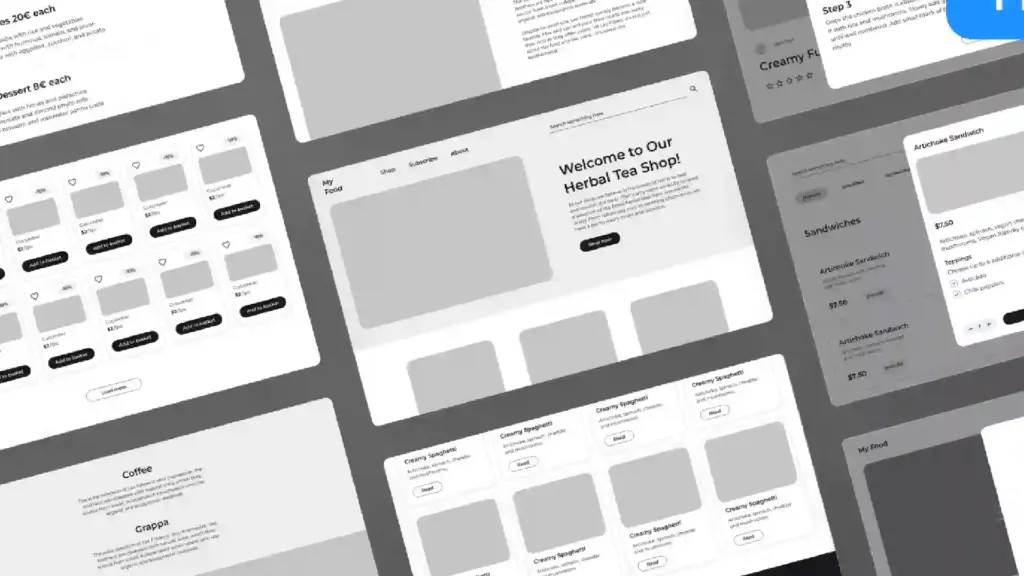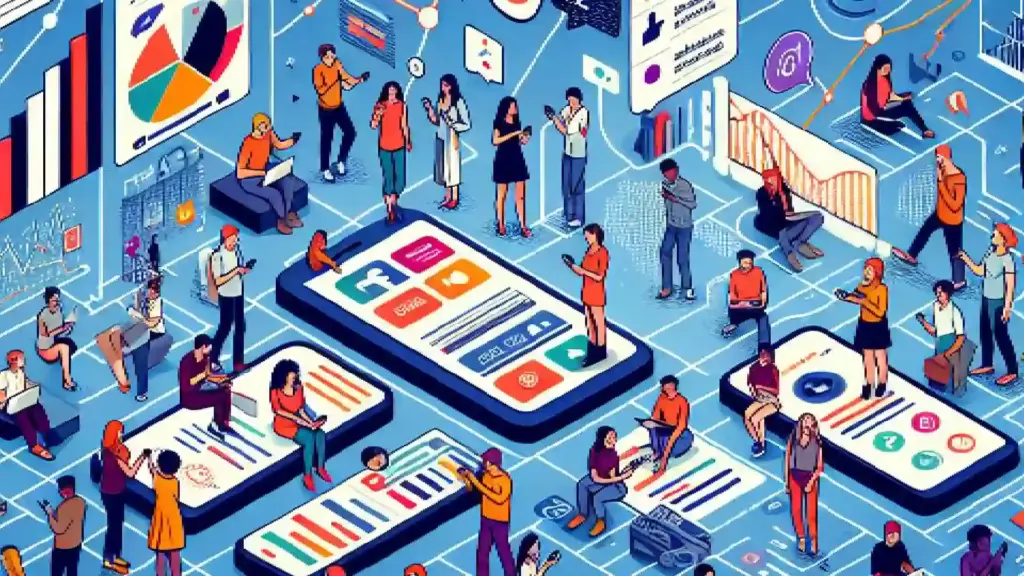


In 2025, attention is the scarcest digital resource. Users decide whether to stay or leave a website in less than three seconds, and cluttered interfaces are increasingly punished by both humans and algorithms. This is why minimalist web design has moved from a stylistic preference to a measurable business advantage. Simplicity is no longer about aesthetics alone. It is about speed, trust, usability, and conversion.
As AI-powered search, mobile-first indexing, and global audiences redefine digital behavior, websites that remove friction consistently outperform those that add features for the sake of novelty. Minimalist design strips away distractions and guides users toward a single, clear action. In this article, we explore why minimalist web design converts better in 2025, backed by data, real-world examples, and practical frameworks founders and marketers can apply immediately.

The Psychology Behind Minimalist Web Design
Minimalist design works because it aligns with how the human brain processes information. Cognitive load theory shows that people can only hold a limited amount of information in working memory at one time. When a website presents too many colors, fonts, buttons, or messages, users experience decision fatigue and abandon the page.
In contrast, minimalist layouts reduce mental effort. White space, clear hierarchy, and limited choices allow users to focus on what matters. According to a 2024 Nielsen Norman Group study, interfaces with fewer competing elements improved task completion rates by over 30 percent compared to visually dense designs.
This psychological advantage translates directly into conversions. When users understand what a site offers and what action to take without thinking, they act faster and with more confidence. Minimalism removes doubt, and doubt is the enemy of conversion.
Speed, Performance, and SEO in 2025
Website speed is no longer optional. In 2025, Google’s Core Web Vitals remain a dominant ranking factor, especially for mobile users. Minimalist web design inherently improves performance because it uses fewer scripts, lighter images, and simpler layouts.
Data from Google shows that a one-second delay in page load can reduce conversions by up to 20 percent. Minimalist sites consistently load faster because they avoid heavy animations, bloated frameworks, and excessive third-party tools. This speed advantage improves both SEO visibility and user satisfaction.
Minimalism also supports AI-driven search experiences. Large language models and search summaries favor sites with clear structure, concise content, and strong semantic hierarchy. Clean HTML, focused copy, and scannable sections make it easier for search engines to understand and surface your content.
In short, minimalist web design is not just user-friendly. It is algorithm-friendly.
Trust and Credibility in a Skeptical Digital Economy
Trust is the hidden conversion lever in 2025. With deepfakes, scam ads, and low-quality AI-generated sites flooding the internet, users are more cautious than ever. Design plays a major role in signaling legitimacy.
Minimalist websites feel more credible because they resemble high-quality digital products users already trust. Financial institutions, enterprise SaaS platforms, and global brands increasingly favor restrained design systems to communicate stability and professionalism.
A 2024 Stanford Web Credibility study found that 75 percent of users judge a company’s credibility based on website design alone. Overdesigned or cluttered pages often trigger suspicion, especially when paired with aggressive pop-ups or multiple calls to action.
Minimalist design communicates confidence. It suggests the business knows exactly what it offers and does not need visual noise to sell it.
Fewer Choices, Higher Conversion Rates
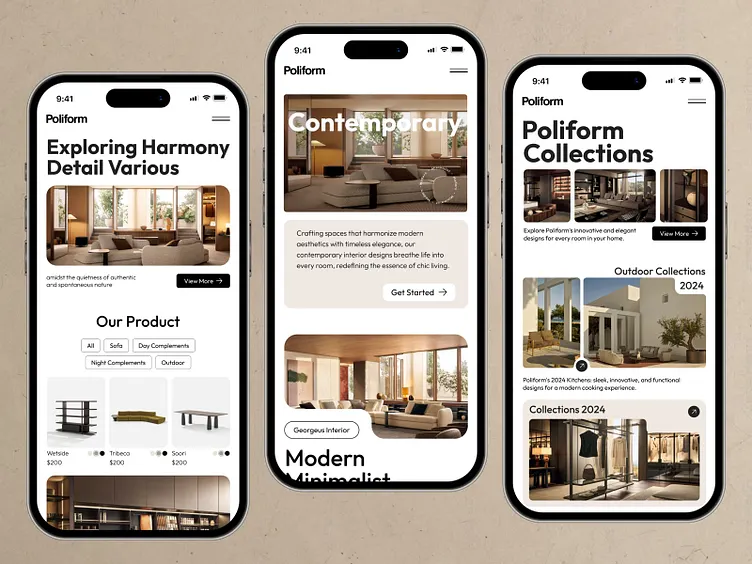
One of the most powerful arguments for minimalist web design is the paradox of choice. When users are presented with too many options, they often choose none. This principle has been validated across ecommerce, SaaS, and content platforms.
In 2025, high-converting websites are built around a single primary action per page. Minimalist design reinforces this by visually prioritizing one button, one message, and one outcome. Supporting elements exist only to reduce friction, not to compete for attention.
For example, landing pages with a single call to action convert on average 13 percent higher than those with multiple competing buttons, according to a 2024 Unbounce industry report. Minimalism makes the desired action obvious and emotionally safe.
The best minimalist sites are not empty. They are intentional. Every element earns its place.
Case Studies: Brands Winning With Minimalism
Several globally recognized brands illustrate how minimalist web design drives results in 2025.
A leading fintech startup redesigned its homepage in late 2024, reducing on-page text by 40 percent and removing secondary navigation links. The result was a 22 percent increase in account sign-ups within three months.
An ecommerce brand selling premium home goods simplified its product pages by eliminating sliders, badges, and promotional banners. By focusing on one product image, one benefit statement, and one purchase button, it increased checkout completion by 18 percent year over year.
Even content platforms are embracing minimalism. Media companies that reduced visual clutter and prioritized readability saw longer session durations and higher newsletter subscriptions. The pattern is consistent. Less design noise leads to more meaningful engagement.
Minimalist Design and Mobile-First Behavior
Mobile traffic accounts for over 60 percent of global web usage in 2025. Minimalist web design naturally supports mobile-first experiences because it prioritizes clarity, touch-friendly elements, and vertical flow.
On small screens, clutter is amplified. What feels acceptable on desktop becomes overwhelming on mobile. Minimalist layouts adapt more gracefully across devices because they rely on flexible grids, scalable typography, and focused content blocks.
Mobile users are also more goal-oriented. They want fast answers, quick purchases, and simple forms. Minimalist design aligns with these expectations by removing unnecessary steps and visual distractions.
As wearable devices, in-car browsers, and voice interfaces continue to grow, simplicity will only become more critical. Minimalist design is future-proof by nature.
How to Apply Minimalist Web Design Without Losing Personality
A common misconception is that minimalist design equals boring design. In reality, minimalism amplifies brand personality by removing distractions and highlighting what makes a brand unique.
To apply minimalist web design effectively in 2025:
Focus on one core message per page. If everything is important, nothing is.
Use typography as a design element. Strong fonts can replace complex visuals.
Leverage white space to guide attention, not to fill emptiness.
Limit your color palette to two or three brand colors.
Design around user intent, not internal assumptions.
Minimalism does not mean removing emotion. It means delivering emotion with precision.
The Business Case for Minimalist Web Design
From a cost perspective, minimalist websites are easier to maintain, scale, and optimize. Fewer components mean fewer bugs, faster updates, and cleaner analytics. Marketing teams gain clearer insights because user behavior is less fragmented across multiple paths.
For startups and enterprises alike, minimalist design reduces technical debt. It also improves collaboration between design, development, and marketing teams by enforcing clarity and discipline.
In an environment where speed to market and adaptability determine competitive advantage, minimalist web design is a strategic asset, not a creative trend.
Conclusion: Simplicity as a Competitive Advantage
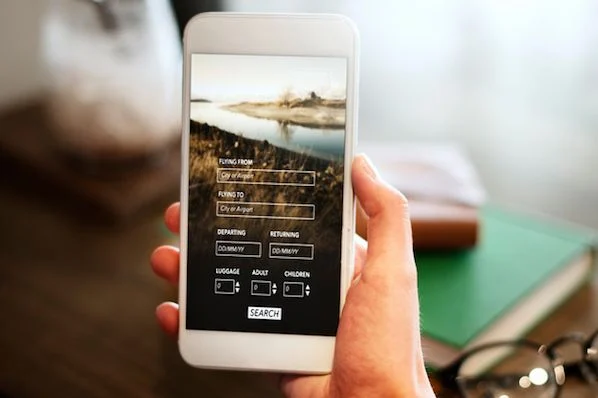
Minimalist web design converts better in 2025 because it respects users’ time, attention, and intelligence. It improves speed, builds trust, and removes friction at every stage of the customer journey. In a crowded digital landscape, simplicity is what cuts through the noise.
For founders, marketers, and designers, the message is clear. Do less, but do it better. Audit every element, question every feature, and design with intention. The websites that win in 2025 will not be the loudest. They will be the clearest.
FAQs:
1. What is minimalist web design?
Minimalist web design focuses on simplicity, whitespace, clear typography, and essential content. It removes distractions so users can focus on the core message and call to action.
2. Why does minimalist design improve conversions?
Fewer visual distractions reduce cognitive overload. When users quickly understand what to do next, conversion rates increase.
3. Does minimalist design hurt SEO?
No. When executed properly, minimalist websites often load faster and improve user experience, both of which support search engine optimization.
4. Is minimalist design suitable for eCommerce?
Yes. Clean layouts highlight products, pricing, and reviews, making purchase decisions easier and faster.
5. How does minimalist design affect mobile performance?
Simpler layouts adapt better to mobile screens and improve loading speed, which boosts engagement and reduces bounce rates.
6. What are common mistakes in minimalist web design?
Over simplifying content, weak calls to action, and lack of visual hierarchy can hurt performance. Simplicity must remain strategic.