


Creating social media content every day can quickly become overwhelming. Many businesses, entrepreneurs, and creators find themselves scrambling for ideas at the last minute, resulting in inconsistent posting and lower engagement. The good news is that planning an entire month of content in advance can save hours of work while improving your overall strategy.
A monthly content plan helps you stay organized, align posts with business goals, and maintain a consistent brand presence. Instead of asking, “What should I post today?” you’ll have a clear roadmap that keeps your audience engaged and your marketing focused.
Why Monthly Content Planning Matters
Planning your content ahead offers several advantages beyond simply saving time.
It allows you to create a balanced mix of educational, promotional, and entertaining posts. It also ensures you never miss important events, holidays, product launches, or seasonal campaigns.
According to industry research from HubSpot and Sprout Social, brands that post consistently often experience stronger audience engagement and improved brand recognition over time.
Benefits include:
- Saves time each week
- Reduces creative burnout
- Maintains consistent posting
- Supports long-term marketing goals
- Makes collaboration easier for teams

Step 1: Define Your Monthly Goal
Every content calendar should begin with one primary objective.
Ask yourself:
- Increase website traffic?
- Generate leads?
- Build brand awareness?
- Promote a new product?
- Grow followers?
- Increase engagement?
For example, if you’re launching a new service, most of your content should educate potential customers about the problem your service solves before introducing your offer.
Having one clear goal keeps every post purposeful.
Step 2: Know Your Audience
Successful content starts with understanding who you’re talking to.
Identify:
- Their biggest challenges
- Common questions
- Interests
- Preferred social platforms
- Buying stage
For example:
A fitness coach targets busy professionals who struggle to find time for exercise. Their monthly content may focus on quick workouts, healthy meal ideas, productivity tips, and client success stories.
The more relevant your content is, the higher your engagement will be.
Step 3: Choose 4 to 6 Content Pillars
Content pillars are the main topics your brand consistently covers.
Common examples include:
- Educational tips
- Behind-the-scenes content
- Customer success stories
- Product or service promotions
- Industry news
- Personal stories
- Frequently asked questions
Imagine a digital marketing agency using these pillars:
- SEO tips
- Social media strategies
- Client case studies
- Marketing trends
- Team culture
These pillars make brainstorming much easier because every new idea fits into one category.
Step 4: Brainstorm Content Ideas
Now generate multiple ideas under each pillar.
For example:
Educational
- Five SEO mistakes beginners make
- How Instagram’s algorithm works
- Best posting times
Behind the Scenes
- Team meeting
- Workspace tour
- Content creation process
Promotional
- Free consultation
- Limited-time discount
- New service announcement
Aim for 30 to 40 ideas. You’ll likely use around 20 to 30 during the month.

Step 5: Build a Weekly Posting Schedule
Instead of randomly posting, assign themes to each day.
Example:
| Day | Content Type |
|---|---|
| Monday | Educational Tip |
| Tuesday | Behind the Scenes |
| Wednesday | Customer Story |
| Thursday | Industry Insight |
| Friday | Promotional Offer |
| Saturday | Community Engagement |
| Sunday | Personal Story or Inspiration |
This structure creates variety while making planning much simpler.
Step 6: Match Content to Different Formats
Not every idea should become a standard image post.
Mix formats like:
- Short videos
- Reels
- Carousels
- Infographics
- Stories
- Polls
- Live sessions
- User-generated content
For example, one educational topic could become:
- A carousel on Instagram
- A short LinkedIn article
- A TikTok video
- An X thread
- A Facebook infographic
Repurposing content extends its value across platforms.
Step 7: Schedule Around Important Dates
Before finalizing your calendar, add:
- Industry events
- National holidays
- Product launches
- Company milestones
- Seasonal campaigns
- Awareness days
For example:
A retail business should prepare holiday campaigns weeks before Black Friday rather than creating them at the last minute.
Planning early gives you more time to produce higher-quality content.
Step 8: Batch Create Your Content
One of the biggest productivity secrets is batching.
Instead of designing one post each day:
- Write all captions in one session.
- Design graphics together.
- Record multiple videos at once.
- Edit content in batches.
- Schedule everything before the month begins.
Many content creators complete an entire month’s work in just one or two focused days.
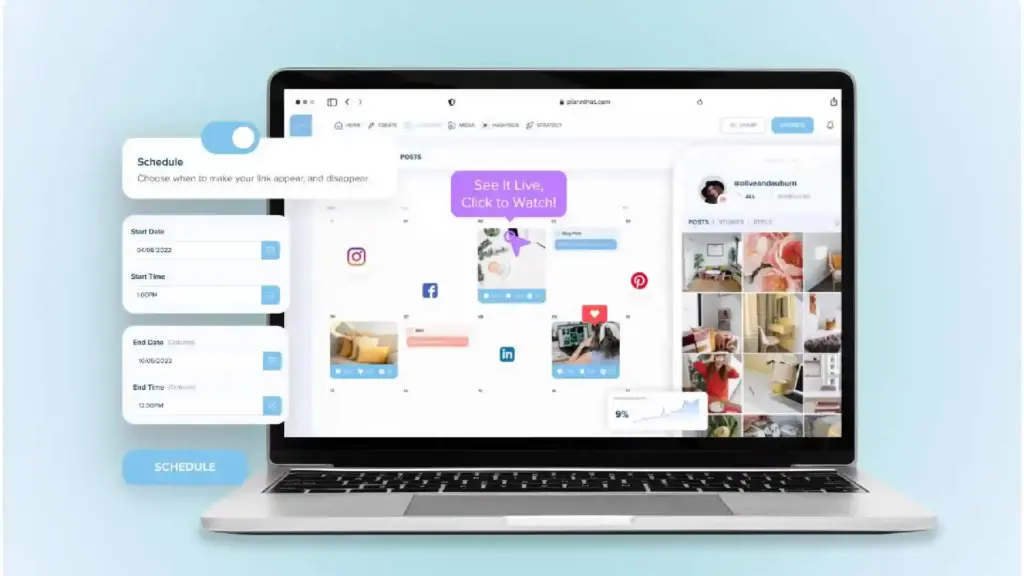
Step 9: Use Scheduling Tools
Scheduling software publishes your content automatically.
Popular options include:
- Buffer
- Hootsuite
- Later
- Metricool
- Meta Business Suite
Automation frees you to spend more time engaging with your audience instead of manually publishing every post.
Step 10: Leave Room for Real-Time Content
A monthly plan shouldn’t be completely rigid.
Reserve approximately 20% of your schedule for:
- Trending topics
- Breaking industry news
- Customer questions
- Viral conversations
- Unexpected announcements
The best social media strategies combine preparation with flexibility.

Common Mistakes to Avoid
Many brands struggle because they:
- Post only promotional content
- Ignore audience engagement
- Lack consistency
- Publish without a strategy
- Never review analytics
- Use the same content format repeatedly
Avoiding these mistakes can significantly improve your social media performance over time.
Measure Your Results
At the end of every month, review your analytics.
Track metrics such as:
- Reach
- Engagement rate
- Shares
- Saves
- Click-through rate
- Website traffic
- Leads generated
- Follower growth
Identify your top-performing posts and use those insights to shape next month’s strategy.
Remember that successful social media marketing is an ongoing process of testing, learning, and improving.
Conclusion
Planning a month of social media content doesn’t have to be complicated. By defining your goals, understanding your audience, organizing content into clear pillars, and scheduling posts in advance, you can create a consistent and effective social media presence without the daily stress of finding new ideas.
The most successful brands treat content planning as a strategic business activity rather than a last-minute task. With a well-structured monthly calendar, you’ll spend less time worrying about what to post and more time building meaningful relationships with your audience. Start planning today, review your results each month, and refine your approach as you learn what resonates most with your followers.
FAQs:
1. How far in advance should I plan social media content?
Most businesses benefit from planning content one month ahead while leaving room for timely or trending posts.
2. How many times should I post each week?
Quality matters more than quantity, but posting three to five times per week consistently is a good starting point for many brands.
3. What are content pillars?
Content pillars are the main topics your brand regularly covers, such as educational tips, customer stories, promotions, and behind-the-scenes updates.
4. Should every post promote my business?
No. A healthy content mix includes educational, entertaining, inspirational, and community-focused posts, with promotional content used strategically.
5. What is the easiest way to stay consistent?
Create your content in batches, use a monthly calendar, and schedule posts with a social media management tool before the month begins.