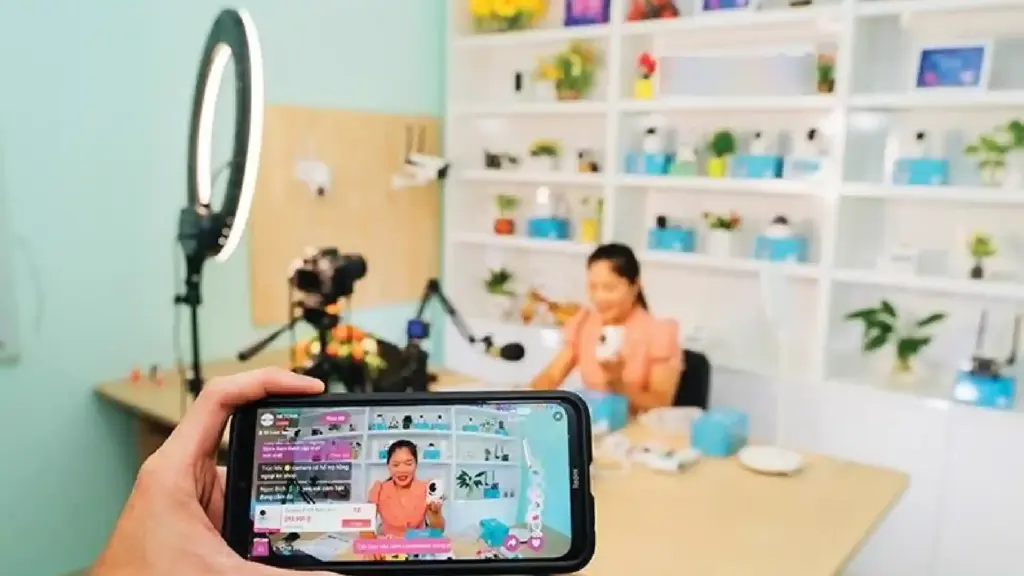


Going viral has become one of marketing’s most seductive promises.
A single TikTok video can introduce an unknown product to millions of people. An Instagram post can turn a small business into an international talking point overnight. A clever campaign can generate more attention in 24 hours than months of paid advertising.
But virality has a hidden cost.
The same algorithms that can amplify praise can accelerate criticism, misinformation and customer complaints. More importantly, viral attention often arrives faster than a company can manufacture products, train customer-service teams or decide how it wants to respond.
For entrepreneurs, the lesson is increasingly clear: attention is not the same as brand value.
In the modern attention economy, the real competitive advantage is not simply knowing how to go viral. It is knowing what to do when millions of people suddenly start looking at you.
Virality Is an Accelerator, Not a Strategy
Businesses naturally want attention. Without awareness, even an excellent product can disappear into a crowded market.
Social media changed the economics of acquiring that attention. Instead of depending entirely on advertising budgets, brands can potentially reach huge audiences through creators, customers and algorithms.
That influence extends beyond entertainment.
A 2024 Pew Research Center study found that 21% of U.S. adults regularly received news from social media influencers. Among adults aged 18 to 29, the figure reached 37%. The research concerned news rather than shopping specifically, but it illustrates how strongly individual creators have become part of the information environment.
For businesses, this creates enormous opportunity. It also means companies are no longer the only people telling their brand story.
A customer can post a review. A creator can discover a product. A former employee can discuss workplace culture. Someone can film a disappointing experience in a store. Within hours, thousands of strangers can investigate the company and add their own opinions.
Virality simply accelerates whatever it encounters.
If customers love the product, attention can accelerate sales. If inventory systems are weak, it can accelerate shortages. If there is an unresolved quality problem, it can accelerate scrutiny. If the company’s messaging appears misleading, it can accelerate distrust.
This is why “make it go viral” is a poor business objective on its own.
A better question is: If this reaches ten million people tomorrow, what happens next?
That question forces founders to think beyond views and toward operational readiness, customer experience and brand reputation.
When Demand Becomes More Than a Business Can Handle
One of the most obvious dangers of viral marketing is also one of the least glamorous: operations.
Imagine a small skincare company normally shipping 500 orders per week. A creator unexpectedly posts about one of its products and generates several million views. Orders jump dramatically.
From the outside, it looks like success.
Inside the company, it can look very different.
Inventory disappears. Shipping times increase. Customer-support messages multiply. Suppliers struggle to respond. Products may be rushed through production. New customers who discovered the company through enthusiastic recommendations suddenly experience delays and frustration.
The viral moment that created the demand can then create the complaints.
Food trends have repeatedly demonstrated how quickly social media can influence real-world purchasing. During the viral food-wave period of 2021, social-media recipes such as baked feta pasta produced noticeable increases in searches and purchasing for their ingredients, illustrating how online trends can rapidly move consumer behavior.
For a multinational food producer, unexpected demand may be manageable. For a startup dependent on one supplier or warehouse, it can become an existential operational challenge.
This creates what entrepreneurs might call the viral capacity gap: the difference between the amount of attention a company can attract and the amount of demand it can successfully serve.
A business capable of generating 100,000 orders but fulfilling only 20,000 has not necessarily achieved a marketing victory.
It may simply have created 80,000 opportunities to disappoint people.
The smartest founders therefore treat viral readiness almost like disaster planning. They identify production limits, fulfillment bottlenecks, customer-support capacity and contingency suppliers before aggressively chasing mass exposure.

The Internet Can Turn Celebration Into Investigation
There is another uncomfortable reality of social media fame: the larger the audience becomes, the more closely the company is examined.
Consumers do not simply watch viral brands anymore. They investigate them.
They search reviews, examine ingredients, compare prices, read employee comments, study founders’ previous statements and debate whether the product deserves its popularity.
TikTok’s own 2026 trend report describes an emerging “evidence economy” in which users increasingly use the platform as a verification tool before buying, including relying on community reviews and comment sections. The platform also argues that audiences are moving toward candid stories and behind-the-scenes content rather than highly polished brand presentation.
That shift changes the meaning of exposure.
Twenty years ago, mass attention often meant a television commercial that a company carefully controlled. Today, attention can mean thousands of people independently examining a company in public.
Consider Stanley, whose tumblers became a highly visible consumer phenomenon through social media culture. Viral popularity did not cause its later product recall, and the recalled products were Switchback and Trigger Action travel mugs rather than the viral Quencher. But the episode illustrates the wider challenge of operating a highly visible consumer brand: product issues exist in the same information environment as viral enthusiasm.
In December 2024, the U.S. Consumer Product Safety Commission announced the recall of approximately 2.6 million Stanley Switchback and Trigger Action travel mugs because their lids could detach during use and create a burn hazard. The CPSC reported 91 incidents worldwide involving lids detaching and 38 burn injuries, with 11 consumers requiring medical attention.
The broader lesson is not that popularity creates product defects.
It is that visibility magnifies accountability.
When millions of people know your brand, problems that might once have remained inside customer-service channels can become public conversations.
When the Brand Loses Control of Its Own Story
Traditional advertising works through control.
The company chooses the image, headline, spokesperson, timing and message.
Virality works differently.
Once a piece of content enters social networks, consumers reinterpret it. They remix it, parody it, criticize it and sometimes give it an entirely different meaning.
That makes viral attention particularly dangerous when humor, politics, culture or identity become involved.
A campaign intended as inspirational can be interpreted as insensitive. A joke can be removed from its original context. A founder’s comment can become a screenshot circulating independently of the explanation around it.
The brand may technically own its trademarks, but it no longer owns the conversation.
This dynamic becomes even more complicated with influencers.
Creator partnerships can give businesses credibility inside communities that traditional advertising struggles to reach. But they also create another layer of reputational risk because the creator has an identity, history and audience separate from the company.
Regulators have made clear that these relationships require transparency.
The U.S. Federal Trade Commission’s social media disclosure guidance says influencers should clearly disclose material relationships with brands, including payments, free products or other benefits. The agency’s Endorsement Guides were updated in 2023 to address modern advertising practices including social media, reviews and platform disclosure tools.
The consequences of ignoring this principle are not theoretical.
In an earlier landmark case, the FTC charged retailer Lord & Taylor over a campaign involving 50 fashion influencers who posted Instagram images wearing the same dress without adequately disclosing that the influencers had received compensation and the product. The company settled the charges.
What looked like successful social reach became a regulatory lesson for the entire influencer-marketing industry.
Viral Backlash Moves Faster Than Corporate Decision-Making
Perhaps the greatest structural problem companies face online is speed.
Social media operates in minutes.
Companies often operate in meetings.
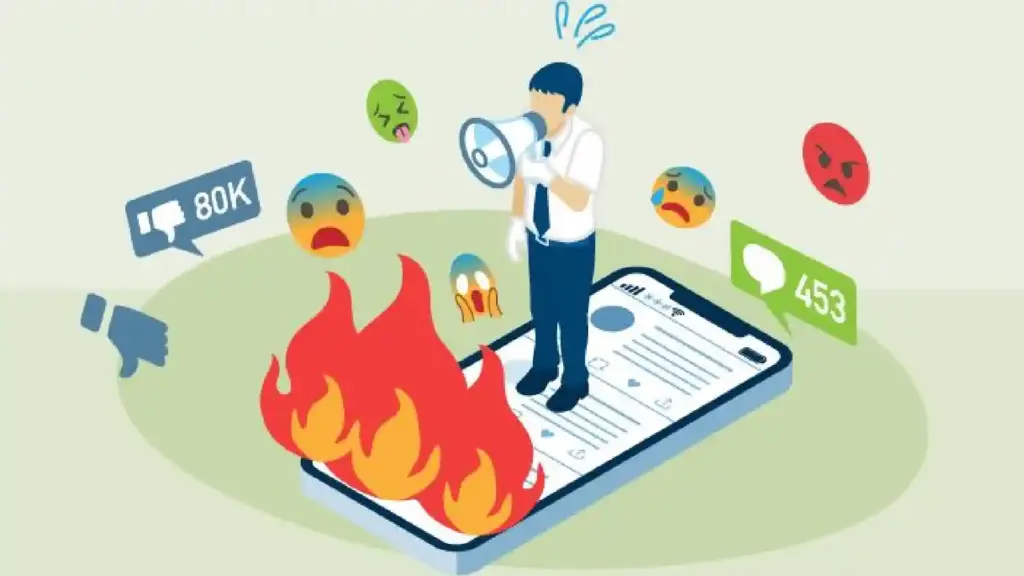
When controversy begins, thousands of comments may accumulate while executives are still deciding who should approve the response.
That delay can be expensive because an information vacuum rarely remains empty.
Users begin constructing their own explanation of what happened. Creators produce reaction videos. Screenshots spread without context. Journalists begin reporting on the reaction itself.
Soon, the company’s problem is no longer simply the original event. It is the narrative surrounding the event.
Peloton Interactive offers a useful illustration of how quickly cultural attention can affect perception. The company has repeatedly found itself at the center of viral conversations, including backlash surrounding its 2019 holiday advertisement and the unexpected association created by a 2021 storyline in And Just Like That….
The precise financial impact of any single viral controversy should be treated cautiously because public companies move for many reasons. But the episodes demonstrated something strategically important: a company can suddenly become part of a cultural conversation it does not fully control.
This is why effective social media crisis management requires decisions before the crisis happens.
Who monitors conversations outside office hours? Who can authorize a response? When should the CEO speak? Which complaints should customer service handle privately? What misinformation requires correction?
Companies that answer these questions during a controversy are already late.
The Dangerous Temptation to Chase Every Trend
Virality creates another problem that is less visible but potentially more damaging: it can distort strategy.
Once a company experiences a successful viral post, executives naturally want to repeat it.
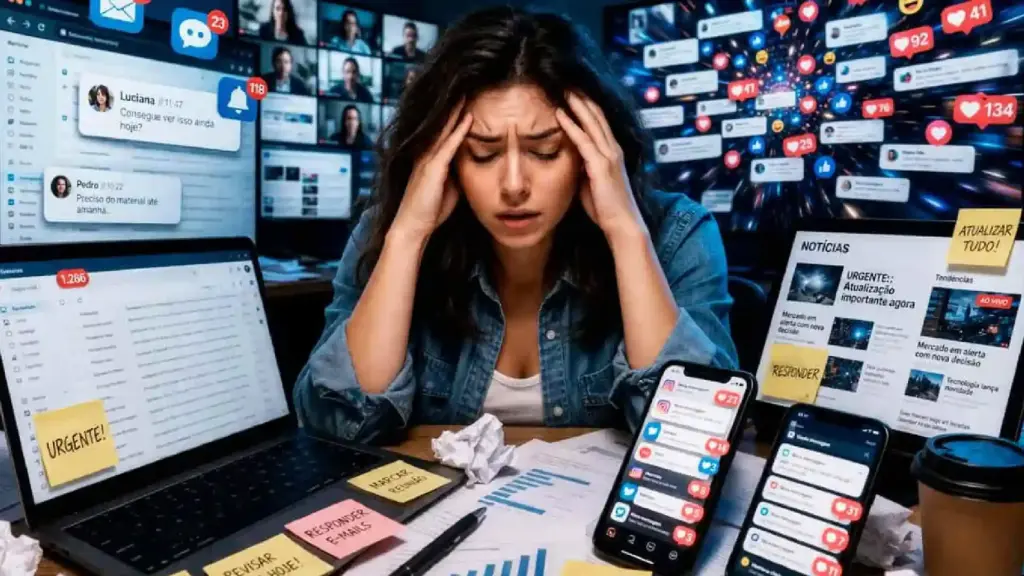
Marketing teams begin chasing trending sounds, memes and formats. Products may be designed around what performs well online. Success becomes measured through impressions and engagement rather than customer retention or profitability.
Gradually, the company starts working for the algorithm.
This can produce what might be called algorithmic brand drift: the slow movement of a company’s identity toward whatever generates immediate engagement.
The danger is especially significant for premium brands.
A luxury company built around scarcity, craftsmanship and timelessness may weaken its positioning if it constantly participates in disposable internet trends. A serious financial company can undermine credibility by forcing itself into memes that do not fit its customers. A B2B technology company can accumulate millions of entertainment views without reaching meaningful buyers.
Even social platforms increasingly acknowledge the importance of smaller communities rather than indiscriminate reach. TikTok’s 2026 trend guidance advises brands to explore niche communities and adjacent cultural spaces that genuinely fit their identities, rather than assuming the path to discovery is straightforward.
The strategic lesson is simple.
Relevance beats reach when reach attracts the wrong audience.
One million views from people who will never buy, recommend or trust a product may be less valuable than 20,000 views from the right community.
Attention Has a Quality, Not Just a Quantity
Marketing dashboards make attention look beautifully simple.
Views. Likes. Shares. Comments. Followers.
But those numbers hide an important distinction.
Not all attention has equal economic value.
A video may receive five million views because customers love the product. Another may receive five million because people are mocking it.
Both dashboards display “5,000,000 views.”
Their business consequences are completely different.
This is why entrepreneurs should evaluate what might be called attention quality rather than simply attention volume.
High-quality attention reaches potential customers, strengthens brand associations, generates qualified demand and produces positive word of mouth.
Low-quality attention creates curiosity without trust, attracts audiences outside the target market, overwhelms operations or associates the company with controversy.
There is also a third category: ambiguous attention.
People may know the company without understanding what it sells. They may remember the meme but forget the product. They may follow the account for entertainment but never become customers.
This distinction becomes increasingly important as creators gain influence over how audiences interpret events, products and institutions.
Pew’s 2024 research found that 65% of Americans who regularly received news from social media news influencers said those influencers helped them better understand current events and civic issues. Although that research is not a measurement of commercial purchasing behavior, it demonstrates the broader authority individual online voices can acquire.
For brands, creators are therefore not simply distribution channels.
They are interpreters.
How Brands Can Survive a Viral Moment
The answer is not to avoid social media. For many startups, that would mean abandoning one of the most powerful distribution systems ever created.
Instead, businesses need to build for controlled unpredictability.
No company can predict which post will explode. But it can prepare for what happens if one does.
Before launching campaigns designed for large-scale attention, leadership teams should pressure-test five areas:
- Operational capacity: Can production, inventory and fulfillment survive a sudden increase in demand?
- Customer support: Can the company answer thousands of questions or complaints without disappearing?
- Reputation monitoring: Who is responsible for identifying emerging narratives before they become crises?
- Creator governance: Are influencer relationships, disclosures and brand expectations clearly documented?
- Crisis authority: Who has permission to make decisions when a response is needed within hours rather than days?
There is an equally important sixth question that does not fit neatly inside a dashboard:
Should we participate at all?
Not every trend requires a branded response.
Sometimes the strongest brand decision is restraint.
A company that understands its identity can watch a viral conversation without inserting itself into it. That discipline becomes more valuable as brands face pressure to behave like full-time content creators.
The Future Belongs to Brands That Can Handle Attention
The first era of social media marketing rewarded companies for building audiences.
The next era will reward companies that know how to manage them.
Consumers now have extraordinary power to amplify products, investigate businesses and challenge corporate narratives. A startup can become internationally visible before it has developed the infrastructure normally associated with an international company.
That creates opportunity, but also responsibility.
Founders should therefore stop treating virality as the finish line.
The goal is not to make everyone look at your company.
The goal is to ensure that when people do look, they find a business capable of surviving the attention.
A viral post may last 48 hours. A damaged reputation can last years.
For entrepreneurs building companies in an algorithm-driven world, that difference may determine whether sudden fame becomes sustainable growth or an expensive lesson.
FAQs:
1. Can going viral hurt a brand?
Yes. Viral attention can overwhelm inventory and customer service, amplify negative reviews, expose unresolved business problems and create reputational risks. The impact depends on why the brand went viral and whether the company is prepared for the resulting attention.
2. What is social media brand risk?
Social media brand risk is the potential for online conversations, customer posts, influencer activity, misinformation or company content to damage a brand’s reputation, customer trust or business performance.
3. How should a company respond to viral backlash?
Companies should first establish what happened, monitor how the conversation is developing and respond with verified information. Responses should be timely and proportional, while avoiding defensive arguments that could amplify the controversy further.
4. Is viral marketing good for small businesses?
It can be extremely valuable when the business has enough inventory, fulfillment capacity and customer support to handle increased demand. For an unprepared company, however, sudden exposure can turn operational weaknesses into public reputation problems.
5. How can brands prepare to go viral safely?
Brands should stress-test inventory and fulfillment, establish social listening and crisis-response procedures, prepare customer-service teams and define clear rules for influencer partnerships. Most importantly, they should measure business outcomes such as conversion, retention and customer sentiment rather than judging success purely by views.