


For nearly a decade, WebAssembly (Wasm) has been described as the next big thing in software development. It promised near-native performance, language flexibility, and a secure execution environment that could reshape how applications run across browsers, servers, and edge devices.
Yet despite the excitement, WebAssembly remained largely confined to niche use cases such as browser games, image editing, and developer tooling.
That story is changing.
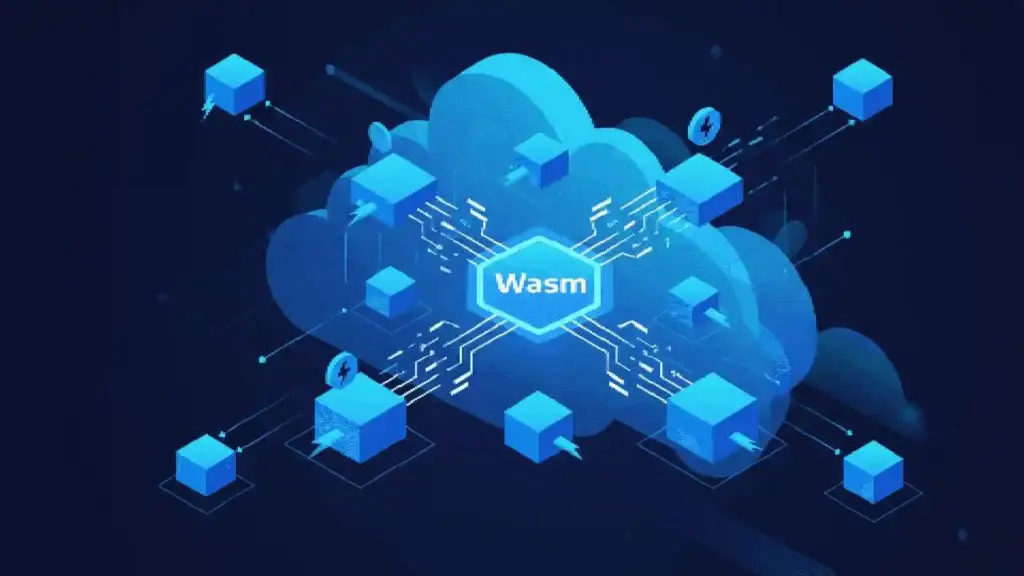
In 2026, WebAssembly is moving beyond developer experimentation into enterprise adoption. Major cloud providers now support Wasm workloads, AI inference engines increasingly rely on lightweight runtimes, and startups are building entirely new infrastructure around the technology. Rather than replacing JavaScript or traditional cloud platforms, WebAssembly is becoming a universal execution layer that works across browsers, servers, edge networks, and embedded devices.
The result is a technology that may finally be reaching the mainstream.

Why WebAssembly Matters More Than Ever
WebAssembly is a binary instruction format that enables applications written in languages such as Rust, C++, Go, and C# to run efficiently inside modern browsers and increasingly outside them.
Unlike JavaScript, which must be interpreted or compiled at runtime, Wasm modules are compact, fast to load, and execute with performance that approaches native applications.
The technology offers three major advantages:
- Faster startup and execution
- Strong security through sandboxing
- Portability across operating systems and hardware
According to the Bytecode Alliance, WebAssembly’s sandboxed architecture significantly reduces attack surfaces while allowing applications to run consistently across different environments.
Perhaps the most important shift is that WebAssembly is no longer limited to browsers.
From Browser Technology to Universal Runtime
The original vision for WebAssembly focused on making web applications faster.
Today, that vision has expanded dramatically.
Developers increasingly deploy Wasm applications inside cloud infrastructure, edge computing platforms, IoT devices, and serverless environments. Instead of building software separately for each platform, developers can compile once and deploy almost anywhere.
This evolution is driven by projects such as:
- Wasmtime
- WasmEdge
- Spin Framework
- Fermyon Cloud
These runtimes enable developers to execute lightweight WebAssembly modules in milliseconds while consuming only a fraction of the memory required by traditional containers.
For cloud providers, this translates into higher server density and lower infrastructure costs.
For developers, it means dramatically faster deployment.
The Rise of WebAssembly in AI
Artificial intelligence has unexpectedly become one of WebAssembly’s strongest growth drivers.
Many AI applications require lightweight inference engines that can execute models securely across different environments.
Instead of sending every request to centralized cloud servers, developers increasingly run AI models directly:
- Inside browsers
- At the network edge
- On local devices
- Within enterprise infrastructure
This approach reduces latency, improves privacy, and lowers operational costs.
For example, browser-based transcription, document summarization, and image processing can now execute locally using WebAssembly-powered runtimes without exposing sensitive user data.
As AI moves closer to users, Wasm provides an attractive deployment model.
Why Cloud Providers Are Paying Attention
Traditional cloud applications rely heavily on containers.
While Docker containers transformed software deployment, they also introduce overhead.
Containers include operating system components, startup delays, and relatively large memory footprints.
WebAssembly modules are fundamentally different.
A Wasm module often starts in milliseconds, occupies only a few megabytes of memory, and runs inside a tightly controlled sandbox.
This makes WebAssembly particularly attractive for:
- Serverless computing
- API gateways
- Edge functions
- Event-driven architectures
- Microservices
Industry analysts increasingly view Wasm as complementary to containers rather than a replacement.
Containers remain ideal for large, long-running applications, while Wasm excels at lightweight workloads requiring rapid startup.
Enterprise Adoption Is Accelerating
Several major technology companies have integrated WebAssembly into production workflows.
Microsoft has invested in WebAssembly support across cloud development tools and edge scenarios.
Cloudflare executes WebAssembly at its global edge network, allowing developers to deploy code closer to users with minimal latency.
Shopify uses WebAssembly to power secure application extensions that merchants can install without compromising platform stability.
Fastly, Adobe, VMware, and other enterprise vendors have also expanded their Wasm initiatives over the past few years.
The growing ecosystem demonstrates that WebAssembly is transitioning from research projects into commercial infrastructure.
According to the CNCF landscape and Bytecode Alliance community metrics, enterprise participation has grown steadily as organizations seek lighter alternatives to traditional virtualization.
Security Could Be WebAssembly’s Biggest Competitive Advantage
Cybersecurity concerns continue to shape enterprise technology decisions.
WebAssembly’s sandboxed execution model offers a meaningful advantage.
Applications cannot freely access system resources unless explicitly permitted.
This “least privilege” model reduces opportunities for malware, privilege escalation, and accidental system damage.
Unlike native binaries, Wasm modules operate inside carefully controlled environments with clearly defined capabilities.
As software supply chain attacks become increasingly sophisticated, organizations are exploring Wasm as a safer way to execute third-party code.
While no technology is perfectly secure, WebAssembly provides stronger default isolation than many traditional deployment methods.
What Still Holds WebAssembly Back?
Despite growing momentum, WebAssembly still faces important challenges.
Developer education remains limited.
Many software engineers understand Docker but have little experience with Wasm runtimes.
Debugging tools continue to improve but are less mature than those available for traditional programming environments.
Some enterprise applications also require direct operating system access that WebAssembly intentionally restricts.
Interoperability standards are advancing through the WebAssembly Component Model, but broader ecosystem adoption will take time.
These challenges suggest that Wasm’s growth will be gradual rather than disruptive.
The Future Looks Increasingly Cross Platform
Perhaps WebAssembly’s greatest strength is not raw speed.
It is portability.
Software developers increasingly want to write applications once and deploy them everywhere.
Browsers.
Cloud platforms.
Edge networks.
Embedded devices.
AI runtimes.
Enterprise infrastructure.
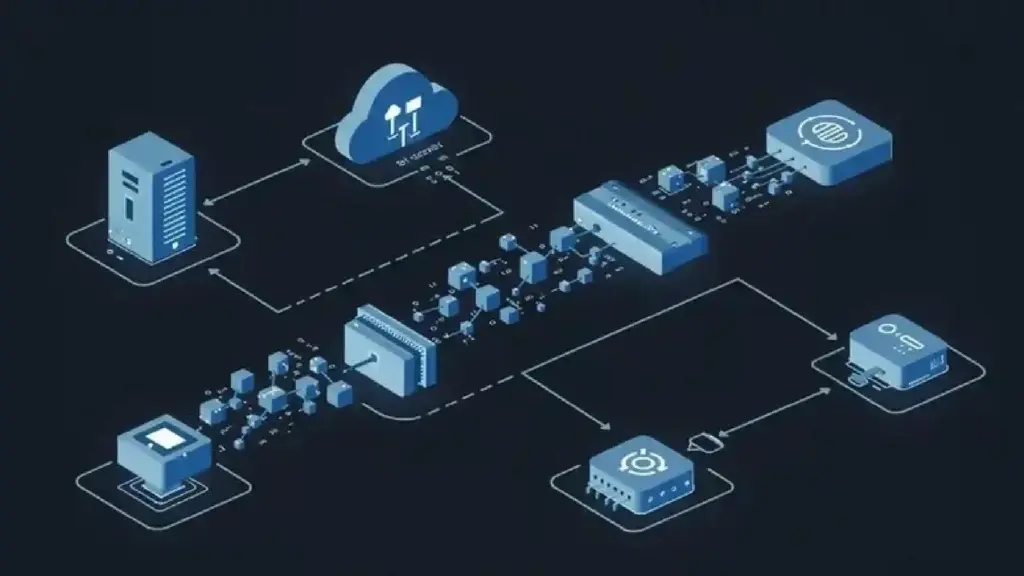
WebAssembly provides a common execution layer across all of these environments.
As distributed computing continues to expand, this portability becomes increasingly valuable.
Industry observers compare today’s WebAssembly ecosystem to where containers stood roughly a decade ago: technically mature, commercially validated, and approaching widespread adoption.
Conclusion
WebAssembly has spent years living up to enormous expectations.
In 2026, those expectations are beginning to translate into real business value.
Rather than competing directly with JavaScript, containers, or virtual machines, Wasm is carving out its own role as a lightweight, secure, and portable runtime for modern applications.
Its rapid startup times, strong security model, and growing cloud ecosystem position it as one of the most important infrastructure technologies of the coming decade.
The biggest question is no longer whether WebAssembly has potential.
It is how quickly enterprises, developers, and cloud platforms will embrace it.
If current momentum continues, WebAssembly’s long-awaited mainstream moment may have finally arrived.
FAQs:
1. What is WebAssembly?
WebAssembly (Wasm) is a binary instruction format that allows applications written in multiple programming languages to run efficiently in browsers, servers, and edge environments.
2. Is WebAssembly replacing JavaScript?
No. WebAssembly complements JavaScript by handling performance-intensive workloads while JavaScript continues to manage user interfaces and browser interactions.
3. Why is WebAssembly becoming popular?
Its speed, security, portability, and ability to run consistently across browsers, cloud infrastructure, edge computing, and AI applications are driving broader adoption.
4. Can WebAssembly run outside the browser?
Yes. Modern runtimes allow WebAssembly applications to execute on servers, cloud platforms, edge networks, embedded systems, and enterprise infrastructure.
5. Will WebAssembly replace Docker containers?
Not entirely. WebAssembly is expected to complement containers by powering lightweight, fast-starting workloads, while containers remain well suited for larger, long-running applications.