


The hospitality industry has undergone a profound transformation over the past decade. Today’s travellers no longer rely solely on travel agents or printed brochures to plan their journeys. Instead, they research destinations through search engines, compare hotels on booking platforms, watch reviews on social media, and expect personalised experiences from the moment they begin searching until long after they check out.
This digital shift has fundamentally changed how hotels, resorts, restaurants, and tourism businesses attract and retain guests. Success now depends on more than exceptional service. It requires a sophisticated digital marketing strategy that combines technology, customer insights, and compelling storytelling. Businesses that embrace digital transformation are better positioned to increase direct bookings, strengthen customer loyalty, and remain competitive in an increasingly crowded marketplace.
The Digital Transformation of Hospitality Marketing
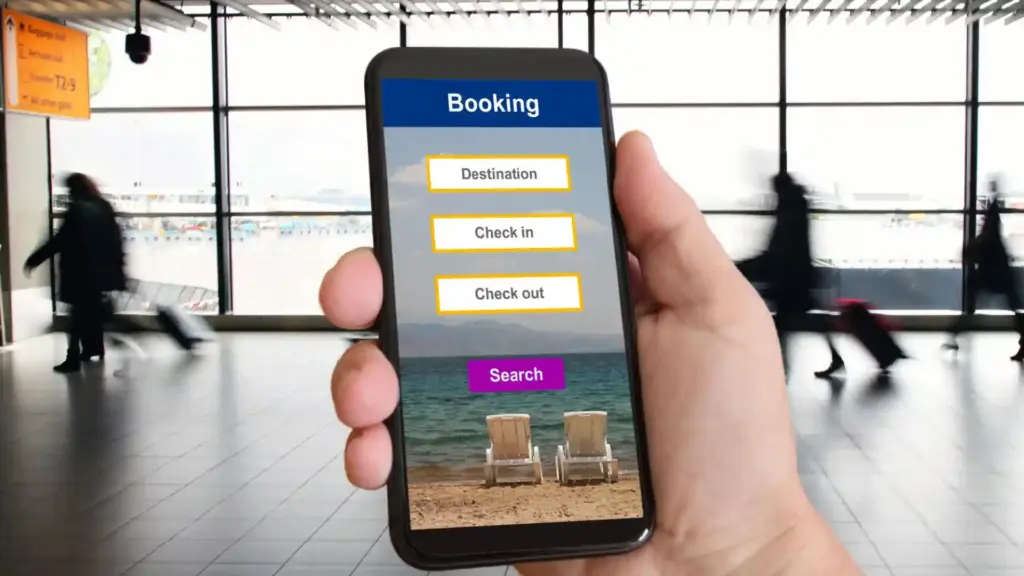
The rise of smartphones, social media, artificial intelligence, and online travel agencies (OTAs) has redefined consumer behaviour. According to industry research, most travellers begin their journey online, often visiting multiple websites before making a reservation. This makes digital visibility one of the most valuable assets for hospitality businesses.
Unlike traditional marketing, digital hospitality marketing enables businesses to engage customers throughout the entire guest journey. From initial inspiration to post-stay reviews, every interaction becomes an opportunity to build trust and strengthen relationships.
For example, a luxury hotel can use targeted Instagram campaigns to inspire potential guests, while personalised email marketing encourages repeat visits through exclusive offers and loyalty rewards.

Search Engine Optimisation Drives Direct Bookings
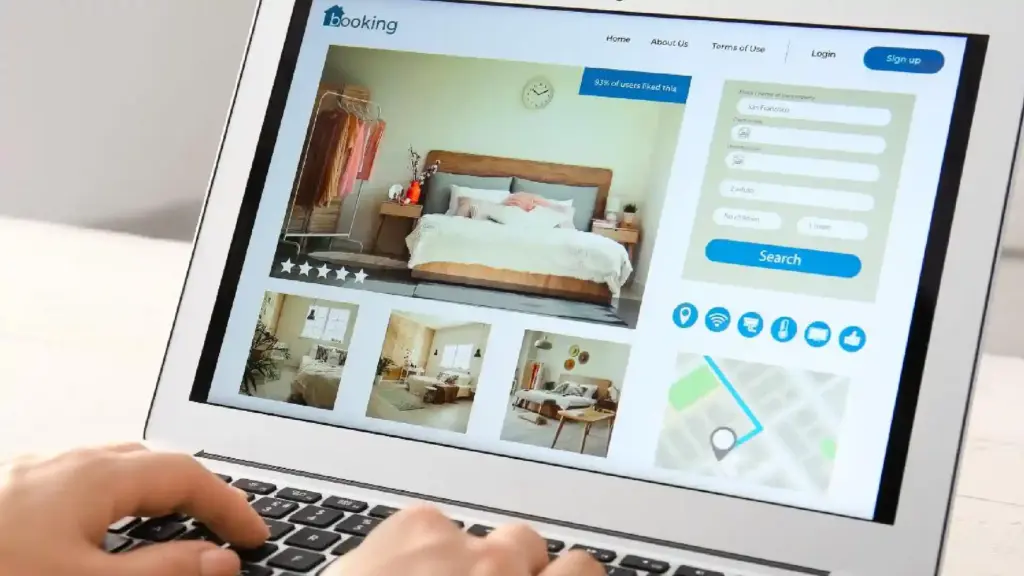
Search Engine Optimisation (SEO) remains one of the most cost-effective hospitality marketing strategies. When travellers search for phrases such as “best beachfront hotel in Dubai” or “family resorts in Bali,” appearing on the first page of search results significantly increases website traffic and direct bookings.
A successful hospitality SEO strategy includes:
- Optimising destination-specific keywords
- Creating informative travel guides and blogs
- Improving website speed and mobile responsiveness
- Using structured data for hotel listings
- Managing local business profiles and reviews
Hotels that invest in SEO reduce their dependence on third-party booking platforms, lowering commission costs while strengthening customer relationships.
Example
Many boutique hotels have successfully increased direct reservations by publishing destination guides featuring local attractions, restaurants, and cultural experiences. This content attracts travellers during the planning stage while positioning the hotel as a trusted local expert.
Social Media Has Become the New Travel Brochure
Visual storytelling has transformed hospitality marketing. Platforms such as Instagram, TikTok, YouTube, and Facebook influence travel decisions through authentic experiences rather than traditional advertisements.
Travellers often discover destinations through influencers, user-generated content, and short-form videos showcasing unique accommodations and local experiences.
Effective social media strategies include:
- Behind-the-scenes hotel content
- Guest testimonials
- Live virtual tours
- Seasonal promotions
- Local cultural experiences
- Employee stories
- Interactive polls and contests
Short videos highlighting stunning views, chef specials, wellness facilities, or nearby attractions frequently generate higher engagement than static promotional images.
Personalisation Creates Competitive Advantage
Modern travellers expect personalised experiences throughout their customer journey. Data analytics and Customer Relationship Management (CRM) systems allow hospitality businesses to understand guest preferences and tailor communications accordingly.
Personalisation may include:
- Special offers based on previous stays
- Birthday and anniversary promotions
- Room recommendations
- Local activity suggestions
- Dining preferences
- Personalised loyalty rewards
Artificial intelligence further enhances personalisation by analysing customer behaviour and predicting future travel preferences.
For instance, a returning guest who previously booked spa treatments may receive wellness package recommendations before their next visit, increasing both customer satisfaction and ancillary revenue.

Artificial Intelligence Is Transforming Guest Engagement
Artificial Intelligence (AI) has rapidly become a valuable tool for hospitality marketers. AI-powered chatbots provide instant customer support around the clock, answering frequently asked questions, assisting with reservations, and recommending services.
AI applications include:
- Chatbots for customer enquiries
- Predictive pricing models
- Personalised marketing campaigns
- Automated email marketing
- Customer sentiment analysis
- Dynamic pricing optimisation
Rather than replacing human service, AI allows hospitality staff to focus on delivering memorable guest experiences while automation handles routine tasks.
Online Reviews Influence Purchasing Decisions
Reputation management has become one of the most influential components of hospitality marketing. Before making reservations, travellers routinely read online reviews across multiple platforms.
Positive reviews improve:
- Search visibility
- Consumer trust
- Booking conversion rates
- Brand credibility
- Customer loyalty
Successful hospitality businesses actively encourage satisfied guests to leave reviews while responding professionally to both positive and negative feedback.
Transparency often strengthens customer confidence more than attempting to maintain a flawless online reputation.
Content Marketing Builds Trust
Today’s travellers seek inspiration long before they book. Educational content helps hospitality brands establish authority while attracting potential guests through organic search.
Popular content includes:
- Destination guides
- Local food recommendations
- Travel itineraries
- Event calendars
- Cultural experiences
- Sustainability initiatives
- Family travel advice
Instead of focusing solely on selling rooms, successful brands become trusted travel advisors.
For example, a resort that publishes articles about nearby hiking trails, local festivals, and hidden beaches creates lasting value for travellers even before they arrive.
Influencer Marketing Continues to Evolve
Influencer partnerships remain an effective hospitality marketing strategy when authenticity takes priority over follower counts.
Micro-influencers often generate higher engagement because their audiences trust their recommendations and view them as relatable travellers rather than celebrities.
Successful collaborations focus on:
- Genuine guest experiences
- Local storytelling
- High-quality photography
- Video content
- Honest reviews
- Long-term partnerships
The most effective campaigns prioritise credibility over promotional messaging.
Sustainability Has Become a Marketing Advantage
Environmental responsibility increasingly influences travel decisions. Many guests actively seek hotels that demonstrate genuine sustainability initiatives rather than superficial environmental claims.
Hospitality businesses now promote:
- Renewable energy adoption
- Plastic reduction programmes
- Local sourcing
- Food waste reduction
- Community partnerships
- Eco-friendly certifications
Marketing sustainability effectively requires transparency, measurable outcomes, and authentic commitment.
Consumers are becoming increasingly skilled at identifying greenwashing, making honesty essential for long-term brand credibility.
Data Analytics Enables Smarter Decisions
One of digital marketing’s greatest strengths is its ability to measure performance in real time.
Hospitality marketers track key performance indicators such as:
- Website traffic
- Conversion rates
- Direct bookings
- Customer acquisition costs
- Email open rates
- Social media engagement
- Revenue per available room (RevPAR)
- Customer lifetime value
These insights allow businesses to refine campaigns, optimise advertising spend, and improve guest experiences continuously.
Rather than relying on assumptions, hospitality leaders now make evidence-based decisions supported by data.
Challenges Facing Digital Hospitality Marketing
Despite its advantages, digital marketing presents several challenges.
Competition continues to intensify as more hospitality brands invest in online advertising. Privacy regulations require responsible data collection and customer consent. Rapid technological change demands continuous learning and adaptation.
Additionally, businesses must balance automation with authentic human interaction. While AI improves efficiency, genuine hospitality remains centred on personal service, empathy, and memorable experiences.
Finding this balance will define successful hospitality brands over the coming decade.
The Future of Hospitality Marketing
Emerging technologies will continue reshaping the hospitality landscape.
Future trends include:
- Voice search optimisation
- AI-powered travel planning
- Virtual and augmented reality hotel tours
- Predictive personalisation
- Contactless guest experiences
- Hyper-local digital experiences
- Advanced sustainability reporting
Consumers increasingly expect seamless digital interactions combined with personalised human service. Businesses that integrate technology without losing their hospitality identity will be best positioned for sustainable growth.
Conclusion
Hospitality marketing in the digital era extends far beyond promoting hotel rooms or holiday packages. It encompasses every stage of the customer journey, from inspiring travel dreams to nurturing lasting relationships after departure.
Successful hospitality businesses combine SEO, content marketing, social media, artificial intelligence, reputation management, and data analytics to deliver personalised, memorable experiences. While technology continues to evolve rapidly, the industry’s core mission remains unchanged: creating meaningful connections with guests.
The organisations that embrace digital innovation while maintaining authentic customer service will continue to outperform competitors, strengthen brand loyalty, and thrive in the increasingly competitive global hospitality market.
FAQs:
1. What is hospitality marketing?
Hospitality marketing involves promoting hotels, restaurants, resorts, tourism businesses, and travel experiences to attract guests, increase bookings, and build long-term customer loyalty.
2. Why is digital marketing important for the hospitality industry?
Digital marketing helps hospitality businesses reach travellers online, improve brand visibility, generate direct bookings, personalise customer experiences, and measure marketing performance more effectively.
3. Which digital marketing channels are most effective for hotels?
The most effective channels include SEO, Google Business Profile, content marketing, social media, email marketing, online reputation management, paid search advertising, and influencer partnerships.
4. How does AI improve hospitality marketing?
AI supports personalised recommendations, customer service chatbots, dynamic pricing, predictive analytics, automated email campaigns, and customer behaviour analysis, improving both operational efficiency and guest satisfaction.
5. What are the biggest digital marketing trends in hospitality?
Key trends include AI-driven personalisation, voice search optimisation, short-form video content, sustainability marketing, virtual hotel tours, first-party data strategies, and enhanced guest experiences through digital technologies.