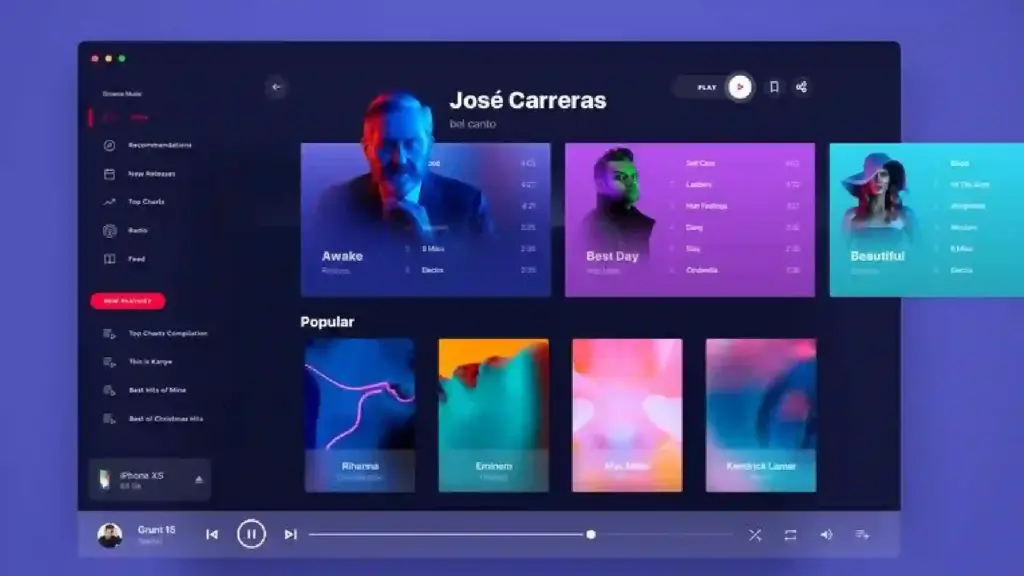


Today’s customers expect businesses to deliver exceptional digital experiences before they ever make a purchase. A company’s website often serves as its first impression, while social media shapes how consumers perceive its brand, values, and customer service. Businesses that fail to invest in these digital channels risk losing potential customers to competitors who offer faster, more engaging, and trustworthy online experiences.
According to data from Google, mobile usability and page speed significantly influence user engagement and conversion rates. At the same time, social media platforms have evolved into powerful discovery engines where consumers research brands, read reviews, and interact with businesses before making buying decisions. Companies that combine modern web design with an effective social media strategy create a competitive advantage that extends far beyond aesthetics.

Why Modern Web Design Matters More Than Ever
A website is no longer just an online brochure. It functions as a digital storefront, customer support center, and sales platform all at once.
Modern web design focuses on delivering an intuitive experience that guides visitors toward meaningful actions. Whether someone wants to request a quote, purchase a product, or schedule an appointment, every interaction should feel effortless.
Research from Google shows that users form opinions about websites within seconds, making design quality a crucial factor in building trust. Fast-loading pages, responsive layouts, and clear navigation all contribute to better user experiences and stronger conversion rates.
Key characteristics of competitive websites include:
- Mobile responsive design
- Fast page loading speeds
- Clear navigation structure
- Strong visual branding
- Accessible design for all users
- Secure HTTPS connections
- Easy contact options
- Clear calls to action
For example, many direct-to-consumer brands have significantly improved online sales by simplifying navigation, reducing checkout friction, and optimizing mobile experiences.
User Experience Drives Business Growth
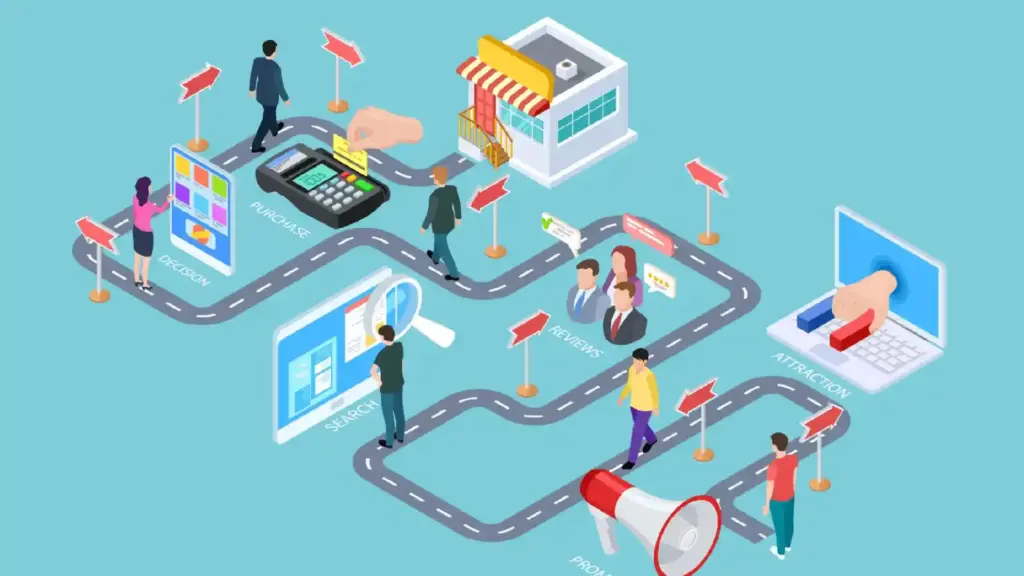
Good design is not simply about appearance. It is about reducing friction throughout the customer journey.
User experience, commonly known as UX, focuses on understanding customer behavior and designing interfaces that solve problems efficiently. Every unnecessary click or confusing page increases the likelihood that visitors will leave.
A well-designed website typically offers:
- Easy product discovery
- Logical content organization
- Simple contact forms
- Quick checkout experiences
- Helpful search functionality
Businesses that continually analyze user behavior through analytics and customer feedback often identify opportunities to improve conversion rates without increasing advertising budgets.
For instance, an online retailer that reduces its checkout process from five steps to three may experience measurable improvements in completed purchases while lowering cart abandonment.
Social Media Has Become a Business Essential
Social media has evolved beyond marketing. It now influences customer service, brand reputation, product discovery, and community building.
Consumers increasingly expect brands to maintain active, authentic presences across platforms where their audiences spend time. Consistent engagement builds familiarity, while valuable content encourages sharing and organic growth.
Popular social media objectives include:
- Increasing brand awareness
- Driving website traffic
- Generating qualified leads
- Building customer loyalty
- Managing customer support
- Showcasing expertise
Short-form video, behind-the-scenes content, customer testimonials, educational posts, and live Q&A sessions continue to generate strong engagement across multiple industries.
Businesses that respond quickly to customer questions on social media also demonstrate reliability and transparency, strengthening long-term relationships.
Integrating Web Design with Social Media Strategy
Many businesses mistakenly treat websites and social media as separate marketing efforts. In reality, they perform best when integrated into a unified digital strategy.
Social media introduces potential customers to a brand. The website then converts that interest into measurable business outcomes.
Effective integration includes:
- Social sharing buttons on website content
- Embedded social media feeds
- Landing pages designed for campaign traffic
- Consistent branding across all platforms
- Retargeting campaigns connecting website visitors with social advertising
For example, a business launching a new product can create educational social content that links directly to a dedicated landing page optimized for conversions.
This seamless experience improves customer confidence while making marketing campaigns easier to measure.
SEO and Content Marketing Support Long-Term Growth
Even the best-designed website needs visibility.
Search engine optimization (SEO) ensures potential customers can find a business through relevant searches. Combined with valuable content marketing, SEO generates consistent organic traffic over time.
Effective SEO strategies include:
- Publishing helpful blog articles
- Optimizing page titles and headings
- Improving website speed
- Creating quality backlinks
- Using structured internal linking
- Updating outdated content regularly
Content also fuels social media. A single research article can become multiple LinkedIn posts, Instagram graphics, short videos, email newsletters, and infographics.
This approach maximizes content value while maintaining consistent messaging across channels.
Data Helps Businesses Stay Ahead
One of digital marketing’s greatest advantages is measurable performance.
Businesses can track:
- Website traffic
- Bounce rates
- Conversion rates
- Social engagement
- Lead generation
- Customer acquisition costs
- Return on advertising investment
These insights allow continuous improvement instead of relying on assumptions.
For example, A/B testing different homepage designs, headlines, or call-to-action buttons often reveals surprisingly small changes that generate meaningful increases in conversions.
Organizations that embrace data-driven decision making typically adapt faster than competitors.
Artificial Intelligence Is Reshaping Digital Experiences
Artificial intelligence is becoming increasingly important in both web design and social media management.
AI-powered tools can assist businesses by:
- Personalizing website experiences
- Generating content ideas
- Automating customer support
- Recommending products
- Scheduling social media posts
- Predicting customer behavior
However, successful businesses combine AI efficiency with authentic human communication. Customers still value genuine interactions, transparency, and personalized service.
Companies that strike this balance are likely to build stronger customer relationships while improving operational efficiency.
Real World Example
Consider a regional retail company launching a redesigned website alongside an integrated social media campaign.
The new website includes faster loading times, mobile optimization, improved product pages, and simplified checkout. Simultaneously, the marketing team publishes educational videos, customer success stories, and product demonstrations across social platforms.
As social campaigns drive qualified traffic to optimized landing pages, the company experiences higher engagement, improved conversion rates, and increased customer retention. Regular analytics reviews help refine both website content and social campaigns, creating continuous improvements over time.
This integrated approach demonstrates how web design and social media reinforce one another to create sustainable business growth.

Conclusion
Modern web design and social media are no longer optional investments. Together, they shape customer perceptions, influence purchasing decisions, and support long-term business growth.
Companies that prioritize fast, user-friendly websites while maintaining authentic, engaging social media presences position themselves to compete more effectively in an increasingly digital marketplace. Success comes from treating these channels as interconnected parts of a broader digital marketing strategy rather than isolated initiatives.
As consumer expectations continue to evolve, businesses that embrace innovation, measure performance, and continuously improve their digital experiences will be better equipped to attract customers, build loyalty, and sustain competitive advantage.
FAQs:
1. Why is modern web design important for businesses?
Modern web design improves user experience, builds credibility, supports search engine optimization, and increases conversion rates by making websites faster, easier to navigate, and mobile friendly.
2. How does social media help businesses stay competitive?
Social media increases brand awareness, strengthens customer relationships, drives website traffic, supports customer service, and helps businesses reach new audiences through engaging content.
3. How can businesses integrate their website with social media?
Businesses can connect both channels through social sharing buttons, campaign-specific landing pages, embedded feeds, consistent branding, and cross-platform content strategies.
4. Does web design affect SEO?
Yes. Website speed, mobile responsiveness, accessibility, structured content, and user experience all contribute to better search engine rankings and improved organic visibility.
5. What is the biggest digital trend businesses should watch?
Artificial intelligence is transforming web design, customer support, personalization, content creation, and social media management, making digital experiences more efficient while increasing customer expectations for personalized interactions.