


Retargeting has long been one of the most effective digital marketing tactics. Yet many brands still approach it the same way they did five years ago: showing the same ad repeatedly to anyone who visited their website. The result is often wasted budget, ad fatigue, and declining returns.
Today’s consumers interact with brands across multiple devices, platforms, and touchpoints before making a purchase. At the same time, privacy regulations and the decline of third-party cookies have changed how marketers collect and use data. Success now depends on smarter segmentation, personalized messaging, and a customer-centric approach.
The brands generating the highest return on ad spend are not simply retargeting visitors. They are creating tailored experiences that move prospects closer to a buying decision. Here are the retargeting strategies that continue to deliver results.
Segment Audiences Based on Intent, Not Just Visits
One of the biggest mistakes marketers make is treating all website visitors the same. Someone who read a blog article is very different from someone who abandoned a shopping cart.
High-performing campaigns separate audiences according to intent signals, including:
- Product page visitors
- Cart abandoners
- Pricing page visitors
- Repeat website visitors
- Existing customers
- High-value prospects
According to industry research, cart abandoners typically convert at significantly higher rates than general website visitors because they have already demonstrated purchase intent.
For example, an e-commerce retailer selling fitness equipment might create separate campaigns for:
- Visitors who viewed treadmills
- Visitors who viewed exercise bikes
- Users who added products to their cart
- Previous customers who purchased accessories
Each segment receives a different message aligned with their position in the buying journey.
LSI Keywords: audience segmentation, buyer intent, customer journey
Personalize Creative and Messaging
Consumers expect relevance. Generic ads often fail because they do not address the user’s specific interests or concerns.
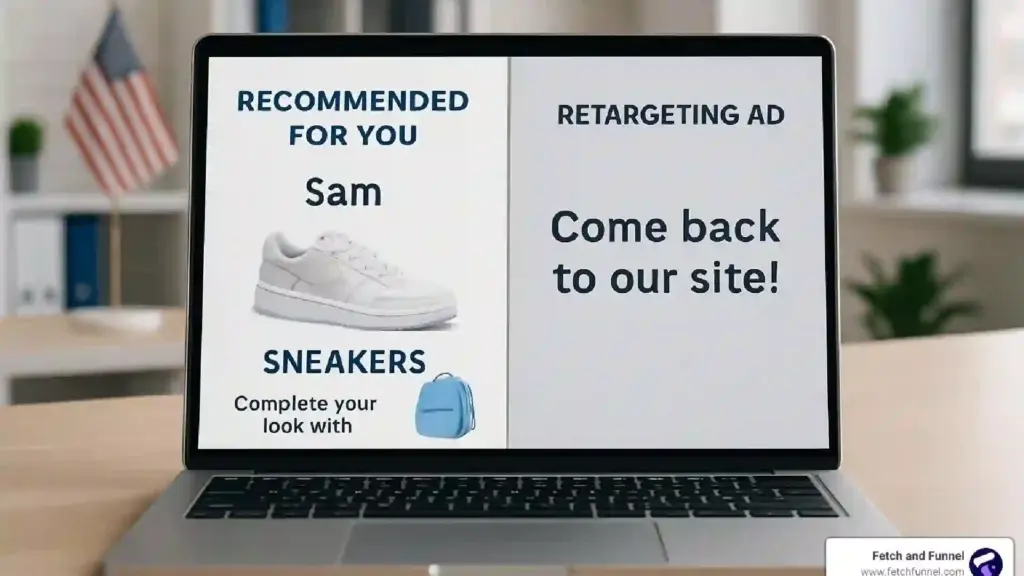
Effective retargeting uses dynamic creative to show products, services, or content based on previous interactions.
Consider the difference:
Generic Ad:
“Shop Our Summer Collection”
Personalized Ad:
“Still Thinking About the Blue Running Shoes? Get Free Shipping Today.”
The second message reminds the customer of a product they already considered while providing an incentive to return.
Streaming platforms, travel companies, and online retailers have mastered this approach. Personalized retargeting creates familiarity and reduces friction in the decision-making process.
A study by leading marketing platforms consistently shows that personalized advertising generates higher engagement and conversion rates compared to generic campaigns.
Use Sequential Retargeting Campaigns
Most brands repeatedly show the same ad until a prospect converts or ignores it.
A more effective approach is sequential retargeting, where messaging evolves over time.
Stage 1: Awareness
Introduce the value proposition.
Example:
“See why thousands of businesses use our platform.”
Stage 2: Consideration
Address objections and build trust.
Example:
“Read customer success stories from companies like yours.”
Stage 3: Decision
Provide urgency or incentives.
Example:
“Start your free trial today and save 20%.”
This approach mirrors how sales conversations naturally progress. Instead of pushing for an immediate purchase, it gradually nurtures prospects toward conversion.
Case Study
A B2B software company implemented sequential retargeting after noticing low conversion rates from static campaigns. By introducing educational content first, followed by testimonials and product demonstrations, the company increased qualified lead conversions by more than 30% within three months.
Retarget Across Multiple Channels
Consumers rarely stay on a single platform.
A prospect may:
- Visit your website from Google.
- Watch videos on YouTube.
- Scroll through LinkedIn.
- Browse Instagram later that evening.
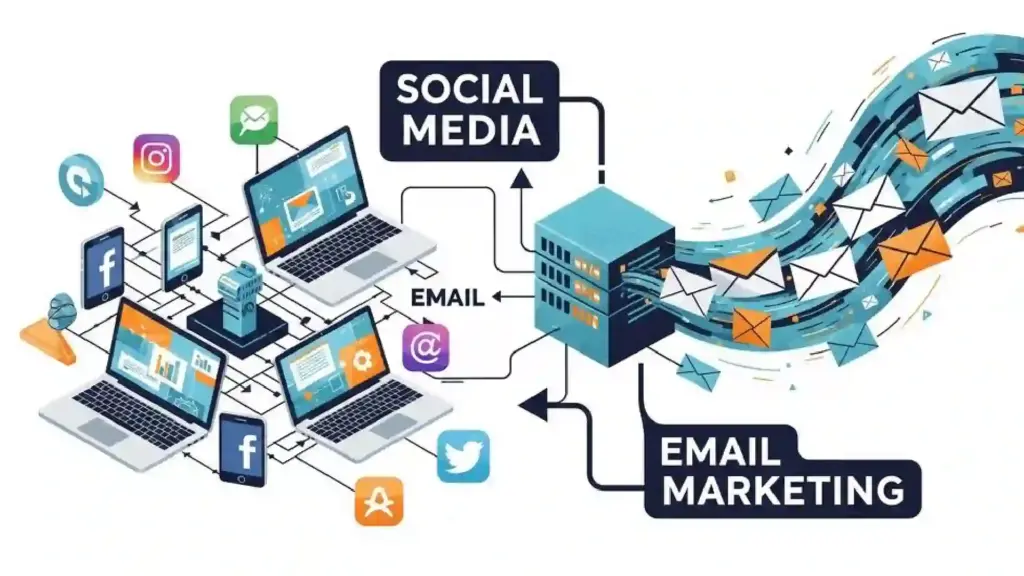
Successful brands build omnichannel retargeting strategies that follow users across relevant environments.
Popular retargeting channels include:
- Search advertising
- Social media advertising
- Display networks
- Video platforms
- Email marketing
- Mobile applications
The key is consistency. Messaging should feel connected across channels while adapting to the context of each platform.
For example, a LinkedIn ad might highlight business outcomes, while an Instagram ad focuses on visual storytelling.
Leverage First-Party Data
With increasing privacy regulations and browser restrictions, first-party data has become one of the most valuable assets in digital marketing.
First-party data includes:
- Email subscribers
- CRM records
- Purchase history
- Loyalty program members
- Website engagement data
Unlike third-party audiences, first-party data is more accurate, reliable, and privacy-compliant.
Leading brands increasingly use customer relationship management systems to create highly targeted audience segments and lookalike audiences based on their most valuable customers.
For example, a SaaS company can retarget users who:
- Started a free trial
- Attended a webinar
- Downloaded a white paper
- Engaged with support resources
These actions often indicate stronger buying intent than a simple website visit.
Focus on Frequency Management
Retargeting can become counterproductive when audiences see the same advertisement too often.
Excessive exposure leads to:
- Ad fatigue
- Lower click-through rates
- Negative brand perception
- Rising acquisition costs
Many marketers assume more impressions equal better performance. In reality, there is often a point of diminishing returns.
Implement frequency caps to control how often users see your ads within a given period. Testing different exposure levels helps identify the optimal balance between visibility and annoyance.
A luxury brand, for example, may require fewer impressions than a low-cost consumer product where longer consideration cycles are common.
Retarget Existing Customers Differently
Many companies stop advertising once a purchase is completed. This can be a costly mistake.
Existing customers often represent the highest-value audience because they already trust the brand.
Effective post-purchase retargeting can drive:
- Upsells
- Cross-sells
- Renewals
- Repeat purchases
- Referrals
For example, a customer who purchases a laptop could later receive promotions for:
- Extended warranties
- Accessories
- Productivity software
- Training services
Customer retention is typically more cost-effective than acquiring new customers, making this strategy particularly valuable.
Combine Retargeting with Email Automation
Retargeting works best when integrated with other marketing channels.
Email automation and retargeting create a powerful combination.
Imagine a prospect who abandons a cart:
- Day 1: Cart reminder email
- Day 2: Personalized social ad
- Day 4: Customer review advertisement
- Day 7: Limited-time discount offer
This coordinated approach increases touchpoints while maintaining a consistent message.
Many successful brands report stronger conversion rates when email and paid media campaigns work together rather than operating independently.
Measure Incremental Impact, Not Just Conversions
One of the biggest challenges in retargeting is attribution.
Many users who convert after seeing a retargeting ad may have purchased anyway.
To understand true effectiveness, marketers should evaluate:
- Incremental lift
- Conversion rate
- Return on ad spend (ROAS)
- Customer acquisition cost (CAC)
- Customer lifetime value (CLV)
Running holdout tests, where a portion of the audience does not receive retargeting ads, can reveal the actual impact of campaigns.
The most sophisticated organizations focus on incremental revenue rather than vanity metrics.

Conclusion
Retargeting remains one of the most profitable digital marketing strategies, but success requires more than simply following website visitors around the internet.
The most effective campaigns use intent-based segmentation, personalized messaging, sequential storytelling, omnichannel engagement, and first-party data. They also prioritize customer experience by managing ad frequency and delivering relevant content at every stage of the buyer journey.
As privacy standards continue to evolve, marketers who invest in smarter, customer-focused retargeting strategies will gain a significant competitive advantage. The future belongs to brands that understand not just who their audiences are, but where they are in the decision-making process and what information they need next.
FAQs :
1. What is retargeting in digital marketing?
Retargeting is a marketing strategy that shows advertisements to users who have previously interacted with your website, app, or brand but did not complete a desired action.
2. Why is audience segmentation important for retargeting?
Segmentation allows marketers to deliver more relevant messages based on user behavior, increasing engagement and conversion rates.
3. Does retargeting still work without third-party cookies?
Yes. First-party data, CRM integrations, customer lists, and platform-specific audience tools allow marketers to run effective retargeting campaigns in a privacy-focused environment.
4. What is sequential retargeting?
Sequential retargeting delivers a series of ads in a planned order, guiding prospects from awareness to consideration and ultimately to conversion.
5. How often should users see retargeting ads?
The ideal frequency varies by industry and audience. Most marketers use frequency caps and ongoing testing to prevent ad fatigue while maintaining visibility.