


The debate around human vs AI content has moved from newsrooms and boardrooms into everyday consumer experience. In 2026, audiences read articles, watch videos, and scroll social feeds shaped by algorithms as often as by human hands. Yet the key question remains practical, not philosophical. Can people actually tell the difference? And more importantly, does it matter to them?
Recent studies suggest audiences are less concerned about who created content and more focused on how it feels. Authenticity, usefulness, and emotional clarity now outweigh authorship labels. This shift has profound implications for brands, journalists, and entrepreneurs navigating trust in an AI-accelerated media landscape. Understanding what audiences can genuinely detect helps creators decide where human effort is irreplaceable and where AI can responsibly scale impact.
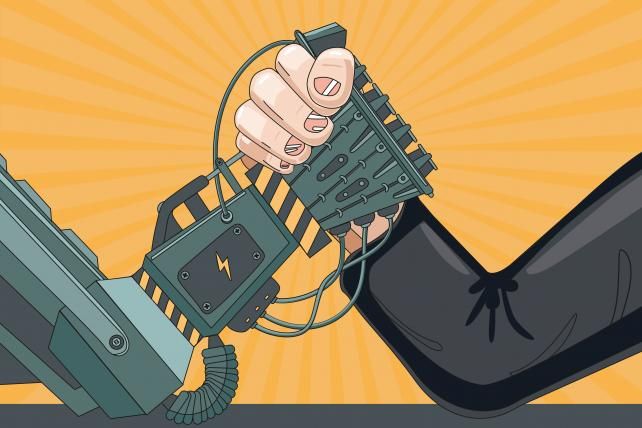
What Audiences Notice First: Tone, Not Technology
When readers encounter content, they do not consciously scan for AI markers. They respond to tone. According to a 2024 Nielsen Norman Group study, users form trust judgments within seconds based on warmth, clarity, and perceived intent. These are emotional signals, not technical ones.
Human-written content often carries subtle imperfections. A pause in logic, a personal aside, or a culturally grounded metaphor can signal lived experience. AI content, by contrast, tends to be smoother and more symmetrical. It explains well but rarely hesitates. Many readers describe AI-generated text as “polished but distant.”
For global audiences, this distinction matters. In emerging markets where storytelling traditions are oral and relational, content that feels overly sanitized can reduce engagement. Brands expanding internationally are learning that tone localization, not language translation alone, determines resonance.
Accuracy Is Not the Same as Credibility
One common assumption is that AI content is easier to spot because it gets facts wrong. In reality, modern AI systems are often more consistent than humans on basic accuracy. Audiences rarely detect AI through errors alone.
Credibility instead comes from contextual judgment. Human writers intuitively weigh when to simplify, when to challenge assumptions, and when to acknowledge uncertainty. AI typically presents information with equal confidence regardless of nuance. This can create a subtle credibility gap.
A 2025 Reuters Institute Digital News Report found that readers trusted articles more when authors openly acknowledged limitations or conflicting data. This kind of editorial humility remains difficult for AI to replicate convincingly at scale.
Emotion and Lived Experience Remain the Human Advantage
Emotion is where audiences are most likely to sense the difference. Not because AI cannot describe emotions, but because it lacks lived stakes. When a founder writes about failure, or a journalist covers a community in crisis, audiences subconsciously register whether the writer has something to lose.
In marketing case studies, human-led narratives consistently outperform AI-only content in conversion when the purchase decision is high-risk or values-driven. Think healthcare, education, or social impact investing. AI excels at comparison and explanation, but audiences still want a human voice when consequences feel personal.
That said, emotion does not require melodrama. Readers are increasingly allergic to forced sentiment. Authentic restraint, another human trait, often signals trustworthiness more than dramatic flair.
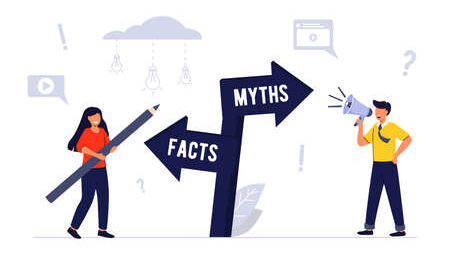
The Myth of “Audiences Hate AI Content”
Contrary to popular belief, audiences do not inherently dislike AI-generated content. They dislike bad content. A 2024 survey by Pew Research Center showed that over 60 percent of respondents were comfortable with AI-assisted content if it was helpful and transparent.
What audiences reject is deception. When brands present AI content as deeply personal or experiential without disclosure, backlash follows. Transparency reframes perception. Labeling content as AI-assisted often increases trust, especially in educational and technical contexts.
This suggests a future where hybrid creation becomes the norm. Human insight sets direction and values. AI handles structure, scale, and iteration. Audiences judge the outcome, not the toolchain.
Why Context Matters More Than Detection
The real shift is that audiences are not trying to detect AI. They are evaluating relevance. In fast, low-stakes contexts like FAQs, summaries, or product descriptions, AI content performs exceptionally well. Readers prioritize speed and clarity over voice.
In contrast, long-form analysis, opinion, and investigative storytelling remain human strongholds. These formats require synthesis across culture, ethics, and timing. AI can assist research, but audiences still look for accountable authorship when ideas shape opinion.
For entrepreneurs and publishers, this means aligning content strategy with audience intent. The question is not “Is this AI or human?” but “What does this audience need from this moment?”

Conclusion: Trust Is the New Differentiator
Audiences can sometimes tell the difference between human and AI content, but not in the ways many expect. They respond to tone, emotional grounding, and contextual judgment rather than technical flaws. As AI content becomes ubiquitous, trust emerges as the defining currency.
The winners in this new landscape will not be those who hide AI or reject it outright. They will be those who use AI transparently while doubling down on human insight where it matters most. For creators and brands alike, the future is not human versus AI. It is human values, amplified responsibly by AI.
FAQs:
1. What makes content feel authentic to modern audiences?
Authentic content feels personal, relevant, and emotionally honest. Audiences value clear opinions, lived experience, and human tone over polished but generic messaging.
2. Can AI-generated content feel authentic?
AI-generated content can feel authentic when it is guided, edited, and contextualized by humans. Without human input, AI content often lacks emotion, nuance, and real-world perspective.
3. How do audiences tell the difference between human and AI content?
Audiences often notice differences in voice, storytelling depth, and originality. Human content tends to include subtle emotion, imperfection, and insight that AI struggles to replicate consistently.
4. When does AI content work best for brands?
AI content works best for research, drafts, summaries, and scalable formats like FAQs or product descriptions. It is most effective when humans refine it for tone, accuracy, and brand voice.
5. Will audiences reject AI content in the future?
Audiences are not rejecting AI itself, but they reject low-effort content. In 2026, transparency, quality, and human oversight matter more than whether content is AI-assisted.