

In 2025, the creator economy has matured into a powerful global industry reshaping how brands build trust, drive sales, and earn cultural relevance. What began as hobbyist content on early social platforms is now a 500 billion dollar force, according to recent industry projections. Millions of creators across every niche are acting as media companies, product designers, educators, and community leaders. For brands, this shift represents both opportunity and disruption. Traditional advertising continues to lose influence while creators command attention through authenticity, storytelling, and consistent engagement.
As consumer behavior evolves, brands entering the creator economy cannot simply buy reach. They must understand creator motivations, platform algorithms, shifting monetization models, and the emotional currency that fuels modern digital communities. This report breaks down what brands must learn in 2025 to thrive in this new economy.
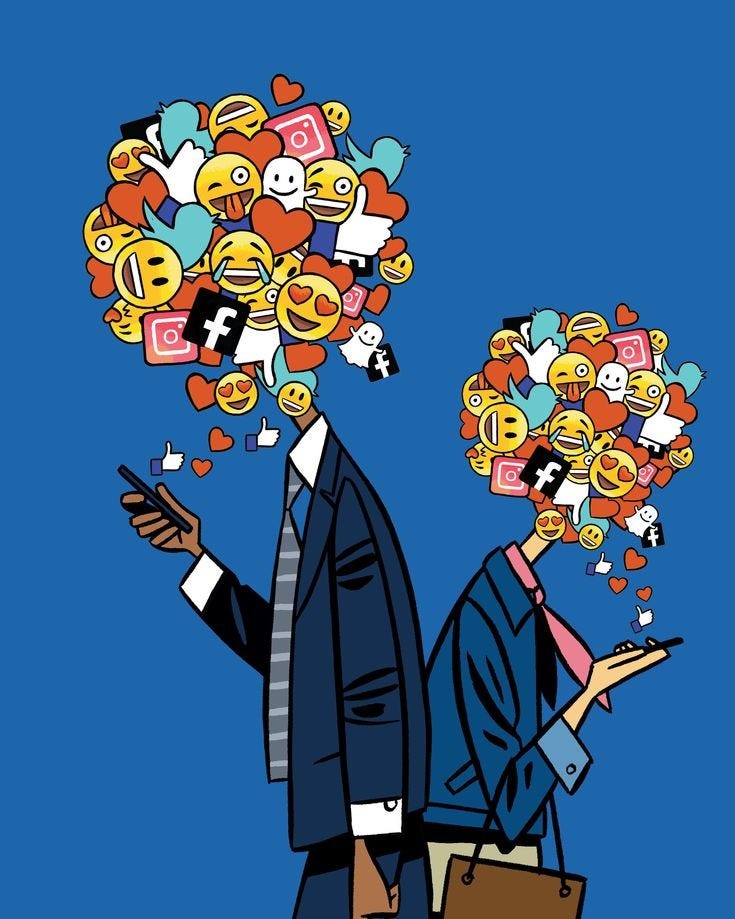
The New Power Structure: Why Creators Outperform Ads
Creators have become the most trusted voices online. A 2024 Edelman Trust Barometer study found that 63 percent of global consumers trust people they follow online more than traditional brand advertising. This trust is built on repeated exposure, shared values, and a perceived lack of corporate agenda.
At the same time, attention has become fragmented. TikTok, YouTube Shorts, Instagram Reels, Twitch, and fast-growing platforms like Lemon8 and Kick have expanded the landscape. Traditional ads struggle to compete because creators adapt faster, experiment more freely, and understand cultural signals deeply.
A strong example is skincare brand CeraVe. While the parent company spent millions on traditional media, its most significant digital lift came from mid-tier skincare creators breaking down ingredients, routines, and science-backed benefits. These organic explanations resonated far more deeply than broadcast campaigns.
In 2025, influence is not determined by follower count alone. Micro and nano creators deliver conversion rates up to 4 times higher than macro influencers due to tighter-knit communities. Brands must learn to leverage both scale and intimacy strategically.
Authenticity is Currency: Why Performative Partnerships Fail
Audiences today have become skilled at detecting inauthentic or forced collaborations. Performative partnerships do more harm than good, reducing both creator credibility and brand perception. The creator economy operates on authenticity as its core currency, and misalignment quickly triggers audience backlash.
For example, a fitness influencer promoting sugary snacks or a sustainability creator endorsing fast fashion creates cognitive dissonance that audiences reject. In a 2024 Shopify survey, 74 percent of consumers reported abandoning a purchase when a creator-brand partnership felt misaligned.
Brands must shift from transactional influencer marketing to long-term creator relationships. These partnerships work best when creators genuinely use the product, contribute to its development, or participate in the brand story.
One powerful case study is Nike’s ongoing collaboration with athlete-creators, blending personal narratives, training content, and product co-creation. Nike treats creators as strategic partners, not billboards, leading to content that feels seamless and compelling.
In 2025, the formula is clear. Creators must have:
- Shared values with the brand
- Real experience with the product
- Creative freedom to speak naturally
- Long-term involvement, not one-off posts
From User Acquisition to Community Building
Community is the new competitive advantage. A creator’s community acts as a built-in distribution engine, a feedback loop, and a cultural amplifier for brands.
This shift explains why community-first brands like Glossier and Gymshark disrupted their industries. Gymshark’s early collaboration with fitness creators allowed it to amass a global customer base before expanding into physical retail. The community didn’t just buy products, it evangelized them.
In 2025, brands entering the creator economy must evaluate:
- How creators nurture their communities
- Whether a creator’s community aligns with brand values
- The psychological drivers of community identity
- The potential for collaborative storytelling
Not all engagement is equal. A creator with 50,000 active fans who comment, share, and participate outperforms a creator with 500,000 passive followers. Community-quality metrics are becoming more important than impressions.
According to a 2024 HubSpot report, creators with strong community interaction deliver up to 7 times higher ROI for brand partnerships than creators focused solely on reach.
The Monetization Shift: Why Creators Want More Than Sponsorships
In 2025, creators seek diversified income streams. Sponsorships remain important, but creators now build businesses around:
- Digital products
- Subscription-based communities
- Merch and physical product lines
- Licensing their creative IP
- Revenue share partnerships
- Affiliate and performance-based models
Brands must understand these motivations to craft attractive offers. A one-off payment may not appeal as much as a revenue share model that rewards long-term partnership.
A standout example is Feastables, where YouTuber MrBeast leveraged his community and creative brand to build a multimillion-dollar CPG company, with distribution in major retailers. His content becomes marketing, while his business becomes an extension of his personal brand.
Similarly, creators like Ali Abdaal, Emma Chamberlain, and Khaby Lame have successfully built multi-unit empires beyond content.
Brands miss opportunities when they see creators only as advertisers. In 2025, creators want roles in product creation, storytelling, strategy, and community engagement.
The AI Era: How Technology is Reshaping the Creator Economy
AI is accelerating creator productivity, enabling faster video editing, automated research, thumbnail generation, and content scheduling. This shift democratizes quality and creates more competition, pushing creators to differentiate through originality, personality, and community engagement.
For brands, AI offers new ways to collaborate:
- Synthetic content for A/B testing
- AI-driven insights into creator authenticity
- Predictive analytics for creator-brand fit
- AI-assisted creative direction
However, AI also comes with risk. Deepfakes, voice clones, and AI-generated replicas raise ethical questions. A 2024 Adobe report highlighted that 37 percent of consumers distrust AI-generated creator content unless clearly labeled.
Brands must decide where to draw the line between efficiency and authenticity. Transparent communication will be essential.
Global Perspectives: Markets Driving Creator Growth
The creator economy is not evenly distributed. Key growth regions in 2025 include:
Southeast Asia: TikTok commerce, affiliate-first ecosystems, influencer-led retail
India: Regional language creators dominating short-form content
Middle East: Luxury and lifestyle creators powering aspirational storytelling
Africa: Rising creator middle class, mobile-first platforms, fintech integrations
Latin America: Strong gaming, music, and humor-based communities
For global brands, cultural nuance is the difference between resonance and rejection. Local creators understand context, humor, values, and social dynamics far better than global campaigns.
Measuring ROI in 2025: New Metrics That Matter
Instead of vanity metrics, brands now measure:
- Conversion rate per creator
- Community engagement depth
- Save and share rates
- Sentiment analysis
- Creator authority score (credibility in niche)
- Viewer retention
Platforms like YouTube, TikTok, and Instagram are increasingly transparent with analytics, making it easier for brands to evaluate performance. But the real differentiator is qualitative insight. How do creators speak? What emotions do they evoke? What impact do they have on purchasing decisions?
A McKinsey analysis showed that creator-led commerce can outperform traditional digital ads by up to 40 percent due to stronger trust and longer-term loyalty.
Conclusion: The New Rules for Brands in 2025
Brands entering the creator economy must understand that they are stepping into an ecosystem ruled by authenticity, community, creativity, and strategic partnership. To succeed, brands must:
- Build long-term creator collaborations
- Prioritize community quality over vanity metrics
- Understand creator motivations beyond sponsorships
- Embrace AI thoughtfully and transparently
- Adapt strategies to regional cultural dynamics
- Invest in creators as partners, not channels
The creator economy is no longer an optional marketing channel. It is the cultural engine of modern commerce. Brands that master it in 2025 will not just stay relevant, they will lead.