

Digital marketing is no longer evolving gradually. It is transforming in waves. Between artificial intelligence, privacy regulations, and changing consumer behavior, the skills that made marketers successful in 2020 are no longer enough. By 2026, relevance in digital marketing will depend less on mastering individual platforms and more on strategic thinking, data fluency, and human creativity.
According to recent industry surveys, over 60 percent of marketing leaders believe their teams lack critical future-ready skills. Automation is taking over execution. Algorithms are reshaping reach. Trust has become the new currency. For digital marketers, this creates both risk and opportunity.
This article breaks down the essential digital marketing skills professionals need to stay competitive in 2026. These are not theoretical trends. They are practical capabilities already reshaping hiring decisions, budgets, and brand strategies worldwide.
AI Literacy Will Be a Core Marketing Skill
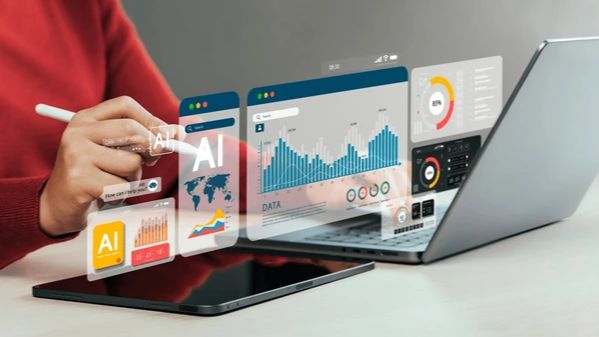
Artificial intelligence is no longer optional in digital marketing. By 2026, AI literacy will be as fundamental as knowing how to write a brief or analyze a campaign report.
Marketers do not need to become engineers. They do need to understand how AI systems work, where they add value, and where they fail. Tools powered by machine learning already influence ad targeting, content personalization, predictive analytics, and customer segmentation.
Platforms like Google and Meta now rely heavily on AI-driven optimization. Marketers who blindly trust automation without understanding its logic risk poor performance and compliance issues.
A 2024 McKinsey study found that companies using AI-informed marketing strategies increased campaign efficiency by up to 30 percent. The skill gap is not using AI tools. It is knowing how to guide them strategically.
Key capabilities include prompt engineering, evaluating AI-generated content, and combining machine insights with human judgment.
Data Interpretation Matters More Than Data Collection
The marketing world is drowning in data but starving for insight. By 2026, the most valuable marketers will not be those who gather the most data, but those who can interpret it meaningfully.
With third-party cookies disappearing and privacy laws tightening, raw data access is shrinking. What remains is first-party data, zero-party data, and modeled insights. Understanding attribution, cohort analysis, and incrementality testing will be critical.
Marketers must be comfortable working with dashboards, asking the right questions, and translating numbers into business decisions. This skill bridges marketing and leadership.
According to Gartner, organizations that prioritize data literacy outperform peers by 20 percent in customer acquisition efficiency. Data storytelling will separate tactical executors from strategic leaders.
Strategic Content Thinking Over Content Volume
Content is everywhere. Attention is scarce. In 2026, successful digital marketers will focus less on producing more content and more on producing meaningful content.
Algorithms increasingly reward depth, relevance, and authenticity. Whether on TikTok, search engines, or email, brands that demonstrate expertise and trustworthiness outperform those chasing trends.
Marketers must understand content strategy holistically. This includes audience intent, distribution channels, lifecycle stages, and performance measurement. Long-form content, thought leadership, and community-driven narratives are gaining renewed importance.
HubSpot reports that companies prioritizing strategic content see 2.5 times higher conversion rates than those focused on volume alone.
Performance Marketing Requires Business Acumen
Performance marketing is no longer about clicks and impressions. In 2026, it will be about profitability, lifetime value, and sustainable growth.
Rising acquisition costs and platform saturation mean marketers must understand unit economics. Knowing how campaigns affect margins, retention, and revenue forecasting is now essential.
This shift requires collaboration with finance and product teams. Marketers who can connect ad spend to business outcomes gain credibility and influence.
A Bain & Company analysis shows that companies aligning marketing KPIs with financial metrics grow revenue 15 percent faster than competitors.
Customer Experience Design Becomes a Marketing Skill
Marketing no longer ends at conversion. The full customer experience is now part of the marketer’s responsibility.
From onboarding emails to in-app messaging and post-purchase engagement, digital marketers must understand experience design. This includes usability, emotional triggers, and friction points across channels.
Brands like Apple and Amazon have proven that superior experience drives long-term loyalty more than aggressive advertising.
By 2026, marketers who can map journeys, test experiences, and collaborate with UX teams will be indispensable.
Ethical Marketing and Trust Building Are Non-Negotiable
Trust is becoming the most valuable brand asset. Privacy concerns, misinformation, and AI-generated content have made consumers more skeptical than ever.
Marketers must understand ethical data usage, transparency standards, and regulatory frameworks. Skills in consent-based marketing, clear messaging, and brand authenticity will shape success.
A 2025 Edelman Trust Barometer report shows that 71 percent of consumers buy from brands they trust even if cheaper options exist.
Ethics is no longer a legal checkbox. It is a growth strategy.
Adaptability Will Outrank Any Single Technical Skill
The most important skill for digital marketers in 2026 is the ability to adapt. Platforms will change. Tools will evolve. Algorithms will shift.
What remains constant is the need to learn continuously, experiment intelligently, and stay curious. Marketers who invest in learning frameworks rather than fixed tactics will thrive.
LinkedIn’s Future of Skills report highlights adaptability as the top skill demanded across marketing roles globally.
In a fast-moving industry, relevance is not earned once. It is maintained daily.
Conclusion: Building a Future-Proof Digital Marketing Career
Digital marketing in 2026 will reward those who think like strategists, analyze like analysts, and communicate like storytellers. Technical skills still matter, but they are no longer enough on their own.
To stay relevant, marketers must embrace AI without losing human insight, use data without losing intuition, and scale campaigns without sacrificing trust.
The future belongs to marketers who see change not as disruption, but as leverage.
FAQs:
1. What are the most important digital marketing skills in 2026?
The most important skills include data literacy, AI tool proficiency, strategic thinking, and customer-focused storytelling. These skills help marketers turn insights into measurable business results.
2. Why is data literacy important for marketers in 2026?
Data literacy enables marketers to understand performance metrics, evaluate campaigns, and make informed decisions. It reduces reliance on analysts and improves speed and accuracy.
3. How important is AI knowledge for digital marketers?
AI knowledge is essential for working efficiently with automation, personalization, and optimization tools. Marketers must know how to guide, review, and improve AI outputs.
4. What soft skills matter most in digital marketing today?
Adaptability, critical thinking, and clear communication are crucial. These skills help marketers respond to rapid platform changes and align teams around data-driven strategies.
5. How can marketers future-proof their careers?
Marketers can future-proof their careers by continuously learning, testing new tools, and focusing on strategic and analytical skills. Understanding customers and business goals ensures long-term relevance.