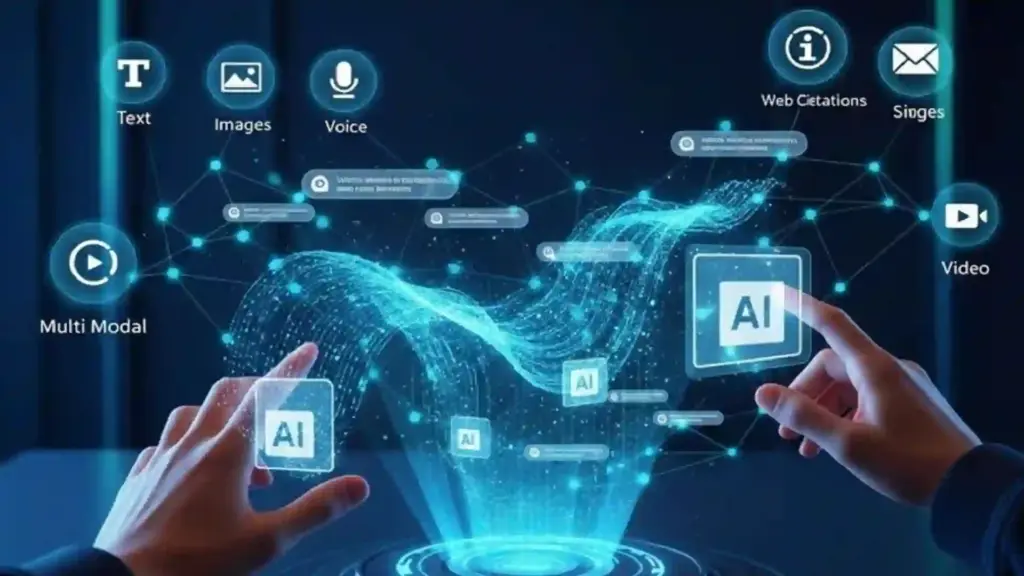


Digital marketing is entering its most decisive decade yet. By 2030, the profession will look less like campaign execution and more like strategic orchestration between humans, machines, and communities. Artificial intelligence, automation, privacy regulation, and immersive technologies are not incremental changes. They are structural shifts redefining what it means to be a marketer.
According to McKinsey, automation and AI could influence up to 30 percent of current marketing tasks by the end of this decade. That does not eliminate marketers. It elevates them. The digital marketer skill set for 2030 will reward those who combine technical fluency with strategic thinking, ethical judgment, and creativity that machines cannot replicate.
This article outlines the core capabilities every future-ready digital marketer must master, supported by real-world examples, data, and practical guidance for building relevance in a rapidly evolving industry.
Strategic Thinking in an AI-First World
By 2030, AI will be embedded in almost every marketing platform, from ad buying to content optimization. Tools powered by companies like Google and Meta already automate bidding, targeting, and creative testing at scale. The differentiator will not be knowing how to use AI tools, but knowing how to think strategically with them.
Future marketers must frame the right questions. Instead of asking which headline converts best, they will ask which narrative builds long-term brand trust across markets. AI can surface patterns, but humans define objectives, interpret context, and make judgment calls when data conflicts with brand values.
A 2024 Gartner report predicts that by 2030, over 80 percent of customer interactions will be influenced by AI-driven insights. Marketers who lack strategic literacy will drown in recommendations without understanding which ones matter. Strategy becomes the filter that turns machine output into business impact.
Data Literacy Beyond Dashboards
Data has long been central to digital marketing, but the next decade demands a deeper relationship with it. The marketer of 2030 will not need to be a data scientist, but they must be data-literate enough to challenge assumptions, spot bias, and translate insights into action.
With third-party cookies disappearing and privacy regulations tightening across regions, first-party data strategy becomes mission-critical. Brands like Nike have already pivoted toward direct-to-consumer ecosystems that capture consent-based customer data while delivering personalized experiences.
The skill here is interpretation, not collection. Marketers must understand attribution models, customer lifetime value, and cohort analysis well enough to explain them in plain language to executives. According to Deloitte, organizations with strong data literacy are three times more likely to report significant improvements in decision-making speed.
In 2030, data literacy is business literacy.
Creativity as a Competitive Advantage
As AI-generated content becomes ubiquitous, originality becomes scarce. By 2030, creativity will be the most defensible human skill in marketing. Not just visual creativity, but conceptual thinking, storytelling, and cultural relevance.
Generative tools can produce thousands of variations in seconds. What they cannot do is intuit why a message resonates in Jakarta but fails in Berlin. Creative marketers will act as cultural translators, shaping ideas that reflect local values while maintaining global brand consistency.
Consider how brands leverage platforms like TikTok today. The most successful campaigns are not the most polished, but the most authentic and context-aware. A 2023 Adobe study found that 73 percent of consumers prefer brands that demonstrate originality and cultural understanding over technical perfection.
In 2030, creativity is not decoration. It is differentiation.
Ethical Judgment and Trust Building
Trust will be the most valuable currency in digital marketing by 2030. With deepfakes, synthetic influencers, and AI-personalized persuasion becoming mainstream, ethical decision-making will move from legal departments into daily marketing operations.
Consumers are already skeptical. Edelman’s Trust Barometer consistently shows declining trust in advertising across markets. Marketers who can transparently explain how data is used, why recommendations appear, and where automation stops will earn long-term loyalty.
Ethical literacy includes understanding algorithmic bias, respecting cultural boundaries, and knowing when not to personalize. Brands that overstep will face backlash amplified by social platforms and regulatory scrutiny.
By 2030, ethical marketing will not be a compliance checkbox. It will be a brand strategy.
Cross-Disciplinary Collaboration
The siloed marketer is obsolete. Future marketing teams will blend skills across product, engineering, data science, and customer experience. The digital marketer skill set for 2030 includes the ability to collaborate fluently across disciplines.
This does not mean learning to code at an expert level. It means understanding enough to have meaningful conversations with technical teams and to align marketing goals with product roadmaps.
Companies like Salesforce already emphasize cross-functional collaboration through integrated customer platforms. According to PwC, organizations that encourage cross-disciplinary teamwork are 1.9 times more likely to report revenue growth above industry average.
The marketer of 2030 is a connector, not a specialist in isolation.
Immersive and Experience-Led Marketing
By 2030, marketing will extend far beyond screens. Augmented reality, virtual environments, and interactive experiences will blur the line between marketing, entertainment, and product usage.
Brands are already experimenting. Automotive companies use AR for virtual test drives. Fashion brands host digital showrooms. The skill marketers need is experience design. Understanding how narrative, interaction, and technology combine to create memorable moments.
A report by Accenture estimates that immersive technologies could influence over 40 percent of consumer purchase decisions by 2030. Marketers who can design journeys, not just messages, will lead this shift.
This requires empathy, systems thinking, and the ability to prototype experiences quickly.
Adaptability as a Core Competency
If one skill defines the digital marketer of 2030, it is adaptability. Platforms will rise and fall. Algorithms will change without notice. Entire channels will emerge unexpectedly.
The most valuable marketers will not be those who mastered a single tool, but those who built learning systems for themselves. Continuous upskilling, curiosity, and resilience become professional survival traits.
LinkedIn’s Workplace Learning Report consistently shows that adaptability and learning agility rank among the top skills employers seek. In marketing, this trend is magnified by the pace of change.
By 2030, your degree matters less than your ability to evolve.

Conclusion: Building the Marketer of 2030 Today
The digital marketer skill set for 2030 is not about choosing between creativity and technology. It is about integrating both with strategic clarity and ethical responsibility. AI will handle execution. Humans will define meaning.
To future-proof your career, focus on strategic thinking, data literacy, creativity, ethics, collaboration, and adaptability. These skills compound over time and remain valuable regardless of platform shifts.
Marketing has always been about understanding people. In 2030, that truth remains unchanged. The tools will be smarter, but the marketer’s role as a trusted interpreter between brands and humanity will matter more than ever.
FAQs:
1. What will be the most important digital marketing skill by 2030?
Strategic thinking will be the most critical skill. Marketers must connect data, technology, regulation, and brand trust into one clear growth strategy.
2. How important will data and analytics skills be?
Data literacy will be essential, even for non-technical marketers. Understanding insights, not just dashboards, will separate effective marketers from tactical operators.
3. Will creativity still matter in an AI-driven marketing world?
Yes. Creativity will become more valuable as automation handles execution. Human storytelling, cultural insight, and brand voice cannot be fully automated.
4. What role will ethics and regulation play in future marketing skills?
Marketers will need strong knowledge of privacy, consent, and compliance. Ethical decision-making will be a core professional requirement, not a legal afterthought.
5. How should marketers prepare for 2030 starting today?
They should build cross-functional skills across strategy, data, creativity, and governance. Continuous learning and adaptability will be key to long-term relevance.