


In 2026, social media is not just where people connect, share, and browse it is where they shop. The traditional path from discovery to checkout has been rewritten. Consumers no longer need to leave their favorite apps to make purchases because immersive commerce features now streamline the entire buying journey inside a single digital ecosystem. As social platforms evolve into multifunctional marketplaces, brands are seeing conversion rates previously only imaginable in physical retail environments. Social commerce is expected to account for more than $1.2 trillion in sales globally by the end of 2026 according to eMarketer data, signaling a fundamental shift in consumer behavior. This transformation is redefining how brands approach discovery, engagement, and purchase intent while blurring the line between social interaction and commerce.
In this comprehensive analysis, we explore how social media became the new mall, the technologies driving in-app shopping, the strategies brands are using to convert engagement into revenue, and what this means for the future of retail.

The Rise of Social Commerce: From Feed to Checkout
Social commerce in 2026 is omnipresent across platforms like Instagram, TikTok, Pinterest, and WhatsApp. What began as simple “Shop Now” buttons has evolved into entire commerce ecosystems embedded within social experiences.
Seamless In-App Shopping Experiences
Platforms now offer native checkout, product catalogs, inventory sync, customer service, and payment processing without redirecting users. Instagram’s Shops, TikTok’s Shopping tab, and Pinterest’s Product Pins integrate functionality similar to standalone e-commerce sites, eliminating friction between discovery and purchase. A recent report from Forrester found that 70 percent of Gen Z and Millennials complete purchases directly within a social app rather than visit an external site.
This simplification boosts conversion rates because users trust the platform, have saved payment methods, and are already in an engaging mindset. Brands like Gymshark and Mauve have reported double-digit increases in average order value when leveraging in-app catalogs combined with live shopping events.
Live Shopping and Real-Time Engagement
Live commerce has become a staple, especially in fashion, beauty, and home goods categories. Influencers and brand ambassadors present products in real time, answer questions, and offer limited-time promotions. According to Insider Intelligence, live shopping revenue in the US alone is projected to exceed $50 billion in 2026.
Alibaba’s success with live shopping in China paved the way for Western adoption. By integrating live streams with clickable product tags and embedded shopping carts, brands shorten the path from inspiration to purchase.
Social Search and Discovery
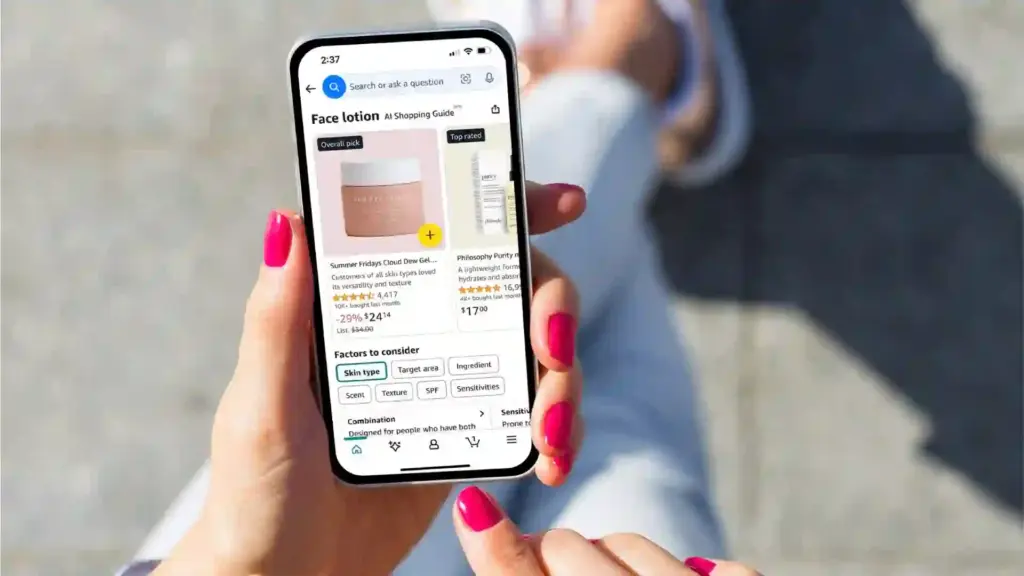
Search on social platforms has evolved beyond keywords to visual and conversational queries. Pinterest Lens and TikTok’s search now allow users to upload images or describe what they want, connecting instantly to matching products available for in-app purchase. This level of visual search mimics walking through aisles in a mall and asking store staff for recommendations, amplifying impulse purchases.
Technology Powering the In-App Shopping Revolution
Behind the scenes, advancements in AI, computer vision, augmented reality (AR), and payments infrastructure are transforming social apps into commerce hubs.
AI-Driven Personalization
Personalized feeds powered by AI recommend products based on browsing history, social interactions, and purchase intent signals. According to a McKinsey study, personalized recommendations can increase revenue by up to 15 percent for retail brands. Social platforms leverage massive data sets to match users with products before they even think to search.
AI also enhances customer service through chatbots and conversational interfaces, making purchase questions instantaneous and frictionless.
AR Try-Ons and Virtual Fitting Rooms
Augmented reality has bridged the gap between physical touch and digital convenience. Users can see how sunglasses look on their face, how sofas fit in their living room, or how lip shades appear on their skin directly within the app. Sephora’s Virtual Artist and Nike Fit are leaders in immersive AR try-ons. These tools boost confidence in buying decisions and significantly reduce return rates.
Embedded Payments and Wallets
Platforms now offer proprietary digital wallets and support multiple payment methods, including buy now pay later (BNPL), cryptocurrency, and tokenized loyalty points. In-app payments reduce checkout abandonment rates which traditionally hover around 70 percent on mobile sites. Faster checkout experiences mirror walking up to a mall cashier with stored card details already ready.
Brand Strategies That Win in the Social Shopping Era
Brands that thrive in this ecosystem focus on three core pillars: engagement, trust, and convenience.
Storytelling Over Static Catalogs
Consumers in 2026 expect stories not just products. Entertaining content that educates, entertains, and inspires drives deeper engagement than static image ads. Short-form video remains dominant because it leverages social algorithms and encourages shares. A Shopify survey indicates that brands producing video content grow revenue 49 percent faster than those who do not.
Influencer and Creator Partnerships
Authenticity remains one of the key currency drivers in social commerce. Creators with niche trust have higher conversion rates than broad celebrity endorsements. Micro-influencers often deliver better ROI because they foster communities where purchasing recommendations feel organic. Leading brands partner with creators to produce shoppable content tailored to specific demographics.
Integrating Social CRM into Purchase Journeys
Social CRM systems track engagement across channels and personalize communication in follow-ups. Instead of simple email retargeting, brands now send personalized DMs with product recommendations, exclusive drops, and loyalty incentives. Brands like ASOS and Glossier attribute a large share of repeat purchases to social CRM initiatives.
Case Studies: Winning Approaches in 2026
Case Study 1 Nike: Community-First Commerce
Nike’s social commerce strategy revolves around community engagement. Through Nike’s Instagram and TikTok channels, user-generated content, AR try-ons, and exclusive drops for app followers drive excitement. Integrated data analytics allow Nike to segment audiences and present hyper-targeted product suggestions. Nike reported a 38 percent increase in direct-to-consumer sales through social channels in the past year.
Case Study 2 Glossier: Personalized Shopping via Chat
Glossier built a robust social CRM infrastructure that turns Instagram DMs into personalized consultations. Users receive bespoke product suggestions and streamlined checkout links without leaving the app. This approach elevated conversion rates by deepening customer relationships and reducing decision fatigue.
Case Study 3 Shein: Live Commerce Dominance
Fast fashion leader Shein scaled global live shopping events with interactive games, influencer hosts, and time-sensitive deals. During peak live sessions, Shein reported conversion rates that rival Black Friday sales, showcasing how entertainment and commerce fuse most powerfully.
Challenges and Considerations for Brands
Despite the promise of social commerce, brands must navigate data privacy concerns, platform dependency risk, and competition for attention.
Data Privacy and Algorithmic Shifts
Regulatory changes and increased consumer awareness around personal data require transparent practices. Brands must adapt to evolving privacy laws like GDPR and CCPA while maintaining personalization. Any algorithm change by platforms can dramatically alter reach and performance.
Maintaining Brand Identity
Social platforms change rapidly, and chasing every trend can dilute brand identity. Brands must balance trend participation with consistent messaging that reinforces their value proposition.
Competition and Signal Saturation
As more brands adopt shoppable content, rising costs for ads and influencer partnerships create pressure. Brands need to refine targeting and build loyal communities that transcend transactional interactions.
The Future of Retail Is Social
In-app shopping scenarios will continue to advance beyond screens into immersive experiences powered by AR, metaverse showrooms, and AI stylists. With social media platforms innovating faster than ever, the convergence of content and commerce will only accelerate.
Brands that embrace this paradigm shift early and align with the social behaviors of 2026 consumers will win market share. The focus must remain on delivering engaging experiences, personalized journeys, and seamless transactions where users already spend their time.
Conclusion
Social media has become today’s digital mall where discovery and purchase coexist. With AI-driven personalization, immersive technologies, and innovative brand strategies, the path from browsing to buying is shorter and more engaging than ever. Brands ready to meet consumers on their terms in social spaces will not just survive the retail transformation, they will define it.
FAQs :
1. What does “social media is the new mall” mean?
People discover, evaluate, and buy products directly inside social apps without visiting external websites.
2. How does in-app shopping work?
Users tap product tags in posts or livestreams and check out instantly using saved payment details on platforms like Instagram and TikTok.
3. Why do consumers prefer shopping this way?
It is faster, more entertaining, and reduces friction between discovery and purchase.
4. What role do creators play?
Creators act like sales associates, demonstrating products and influencing buying decisions in real time.
5. What should brands focus on in 2026?
Short-form video, creator partnerships, and seamless mobile checkout inside social platforms.