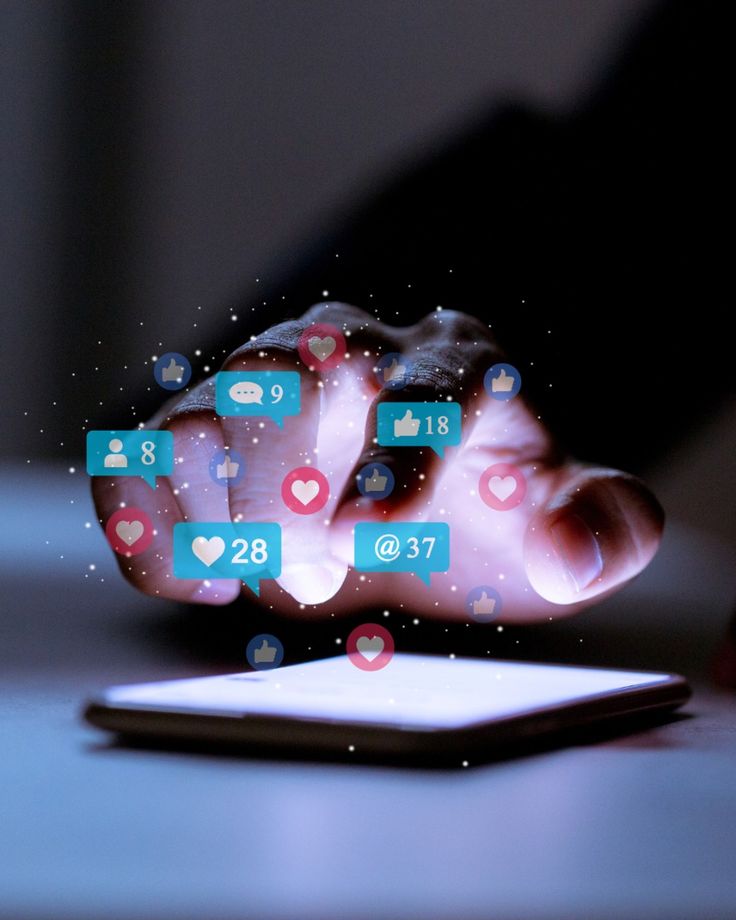


For more than two decades, the website was the unquestioned center of a brand’s digital identity. Every ad, email, or search result pointed users back to a homepage designed to inform, convert, and retain. That model is now quietly breaking. In 2026, for millions of consumers, a brand’s first and most important touchpoint is no longer a website. It is a social media profile.
From Gen Z shoppers discovering products on TikTok to B2B buyers researching founders on LinkedIn, social platforms have become the default place where trust is built and decisions are made. Social media as the new homepage is not a metaphor. It is a measurable shift in behavior, traffic, and revenue. Traditional websites are not disappearing, but their role is shrinking. The strategic question for founders and marketers is no longer whether this shift is happening, but how to adapt before competitors do.

Why Social Media Replaced the Homepage
The homepage thrived in an era when attention was intentional. Users typed URLs, clicked bookmarks, and explored sites at leisure. Today, attention is algorithmic. People do not browse the internet. The internet comes to them.
According to DataReportal’s 2025 Global Digital Overview, the average user spends over 2 hours and 20 minutes per day on social platforms, compared to less than 40 minutes on the open web. Discovery now happens inside feeds, not search bars. A TikTok video, Instagram Reel, or LinkedIn post often delivers more brand context in 30 seconds than a homepage does in three clicks.
Platforms like TikTok and Instagram compress storytelling, social proof, and conversion into a single scrollable surface. Reviews, comments, pricing hints, and personality are visible instantly. There is no loading time, no navigation learning curve, and no friction. The homepage, by comparison, feels static and effortful.
The Algorithm Is the New Gatekeeper
Search engines once decided which brands mattered. Now algorithms do. Social feeds rank content based on relevance, engagement, and behavior signals rather than backlinks or domain authority. This changes everything about visibility.
A startup with no website traffic can reach millions overnight through a viral post. In 2024, over 60 percent of TikTok users reported discovering new brands on the platform, according to internal ByteDance research. For many small businesses, their TikTok or Instagram profile generates more leads than their website ever did.
Even Google acknowledges this shift. Short-form video and social content increasingly appear in search results, blurring the line between social media and SEO. The algorithmic feed has effectively become a dynamic homepage curated uniquely for each user.
Social Proof Lives Where People Scroll
Trust has moved. Testimonials on a website feel curated. Comments on social media feel real.
When a potential customer lands on a social profile, they immediately see follower count, engagement quality, recent activity, and community sentiment. A pinned comment or stitched reply often carries more persuasive power than a polished case study. According to Edelman’s 2025 Trust Barometer, peer validation on social platforms now outranks brand-owned content as a trust signal.
Brands like Glossier and Gymshark built billion-dollar valuations largely through social-first strategies, long before their websites became sophisticated. Their profiles functioned as living homepages, constantly updated with proof that real people cared.
Commerce Without the Website
One of the strongest signals that the traditional homepage is fading is the rise of native social commerce. Platforms no longer just drive traffic. They close sales.
Instagram Checkout, TikTok Shop, and YouTube Shopping allow users to discover, evaluate, and purchase without ever leaving the app. Shopify reported in 2025 that over 30 percent of first-time purchases for social-native brands happened entirely within social platforms.
This shift is especially powerful in emerging markets, where mobile-first users may never develop the habit of browsing standalone websites. For them, a brand without a strong social presence barely exists.
B2B Is Not Immune
The assumption that this shift only affects consumer brands is outdated. In B2B, LinkedIn has quietly become the new corporate homepage.
A company’s LinkedIn page often ranks higher in search results than its website. Buyers research founders, scan employee activity, and evaluate thought leadership before ever requesting a demo. According to Gartner, 75 percent of B2B buyers prefer a rep-free digital buying experience, and much of that experience now happens on social platforms.
For consultants, agencies, and solo founders, a LinkedIn profile with consistent insight-driven content can outperform a full website in lead generation. The homepage has been replaced by a personal feed.
What Websites Are Becoming Instead
This does not mean websites are dead. They are being demoted.
Websites are evolving into infrastructure rather than destinations. They handle payments, compliance, documentation, and deep content. Social media handles discovery, trust, and conversation.
Think of the modern website as a backend system. Think of social media as the frontend interface. This mirrors how software products evolved, with APIs powering experiences that users never directly see.
Brands that cling to homepage-first thinking often overinvest in design while underinvesting in distribution. Meanwhile, social-first brands launch faster, test ideas in public, and adapt in real time.
The New Digital Presence Playbook
Winning in this environment requires a mindset shift. Brands must design social profiles intentionally, the same way they once designed homepages.
Your bio is your value proposition. Your pinned post is your hero section. Your highlights or featured content are your navigation. Consistency matters more than polish. Responsiveness matters more than layout.
Data from HubSpot in 2025 shows that brands posting consistently on social media generate 55 percent more inbound leads than those relying primarily on website traffic. The implication is clear. Attention follows momentum, not architecture.
SEO in a Social-First World
SEO is not disappearing. It is converging with social.
Social content increasingly ranks in search results. Profiles often outrank websites for branded queries. Keywords now live in captions, hashtags, and video transcripts. Google’s emphasis on Experience, Expertise, Authority, and Trust aligns naturally with active social presence.
Brands that integrate social content into their SEO strategy see compounding benefits. A viral video drives searches. Searches validate credibility. Credibility boosts conversion across all channels.

Conclusion: Adapt or Be Invisible
Social media as the new homepage is not a trend. It is a structural change in how attention, trust, and commerce flow online. Traditional websites still matter, but they are no longer the front door. They are the back office.
Founders and marketers who accept this reality gain speed, relevance, and reach. Those who resist risk building beautiful sites that no one visits. The future belongs to brands that meet audiences where they already are, scrolling, sharing, and deciding in real time.
The question is no longer whether you need a website. It is whether your social presence is strong enough to function as one.
FAQs:
1. Why is social media becoming the new homepage for brands?
Social media is becoming the new homepage because it is where audiences already spend their time. Platforms like Instagram, TikTok, and LinkedIn are often the first touchpoint between a brand and a customer, replacing the traditional role of a website homepage.
2. Does this mean traditional websites are no longer important?
No, traditional websites are still important, but their role has changed. Websites now support trust, conversions, and deeper information, while social platforms handle discovery, engagement, and first impressions.
3. Which social platforms function most like a homepage?
Platforms such as Instagram, TikTok, LinkedIn, and YouTube act like homepages in 2026. They showcase a brand’s identity, content, updates, and customer interaction in real time.
4. How should brands adapt their digital strategy to this shift?
Brands should treat social profiles as living homepages by keeping them updated, consistent, and conversion-focused. Clear bios, pinned content, and direct links are now as important as website navigation.
5. What risks come with relying heavily on social media as a homepage?
The biggest risks include platform dependency, algorithm changes, and limited control over user data. Smart brands balance social-first visibility with owned assets like websites, email lists, and communities.