


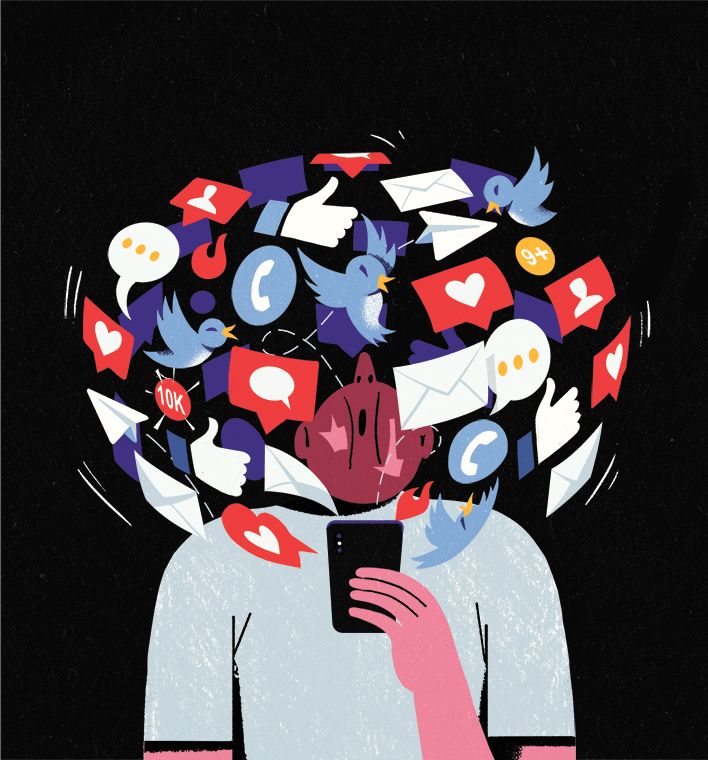
Our relationship with technology has never been more complicated. The average professional now checks their phone hundreds of times a day, scrolls through nearly 300 feet of content, and consumes more information in 24 hours than people did in a month just a generation ago. The result is chronic distraction, rising anxiety, and what psychologists are calling digital fatigue. In response, a countertrend is taking hold: the slow media movement. Much like the slow food revolution encouraged mindful eating, slow media promotes intentional, purposeful, and human-centered engagement with digital content. This article explores how the convergence of mental health awareness and digital wellness strategies is pushing slow media from niche philosophy to a global workplace necessity.
The Rise of Digital Fatigue and Its Mental Health Impact
The modern professional ecosystem runs on constant connectivity, yet this hyper-engagement carries measurable consequences. A 2023 Deloitte survey found that 77 percent of workers reported symptoms of burnout, with excessive screen time and digital overload cited as leading factors. Cognitive psychologists warn that information overload reduces productivity by up to 40 percent and impairs long-term memory formation.
This relentless pace has created a paradox. Technology is meant to simplify life, but the volume of alerts and speed of consumption can leave individuals feeling overwhelmed. Author Cal Newport describes this phenomenon as “the hyperactive hive mind,” a workflow dominated by rapid, unstructured digital communication. Entrepreneurs, founders, and executives are especially vulnerable due to their always-on culture and performance expectations.
Real-world case studies illustrate the shift. For instance, several European startups have implemented four-hour focus blocks where internal communication tools are disabled. Early findings show reduced stress and a measurable lift in employee satisfaction. These examples demonstrate a widening recognition that mental health cannot be separated from digital behavior.
Key data point: Research from the American Psychological Association shows a correlation between chronic digital use and elevated levels of anxiety and attention difficulties in adults.
Digital Wellness as a Strategic Business Priority
Digital wellness has evolved from a lifestyle trend into a critical component of organizational health. In 2024, the World Health Organization emphasized the mental health risks associated with unregulated digital consumption, urging employers to adopt proactive wellness policies.
Companies are responding by re-examining how technology shapes work. Leaders are beginning to ask: Does our tech stack improve productivity, or does it generate noise? Are employees equipped with the psychological skills needed to manage online environments?
Examples from global organizations are compelling.
• Toyota introduced “tech-free reflection windows” encouraging employees to disconnect for structured creative thinking.
• Deloitte implemented digital reset training, helping teams recognize the signs of overload and set boundaries with devices.
• Singapore-based fintech firms now incorporate digital wellness modules into leadership training programs.
These strategies do more than reduce stress. They improve the quality of decision making by cultivating a calmer, more focused organizational culture.
Expert insight: Neuroscientist Dr. Gloria Mark, author of “Attention Span,” notes that the average attention on a screen dropped from 2.5 minutes in 2004 to just 47 seconds today, underscoring the urgency of proactive digital wellness systems.
Understanding the Slow Media Movement
Slow media is rooted in the idea that content should be consumed consciously rather than compulsively. It encourages depth over speed, quality over volume, and reflection over reaction. The movement challenges the design philosophy of most digital platforms, which reward rapid scrolling and instant gratification.
Slow media principles include:
• Consuming fewer but higher-quality sources
• Prioritizing long-form, thoughtful content
• Reducing algorithm-driven engagement
• Pausing between consumption to reflect
• Building healthier emotional relationships with technology
The movement has parallels worldwide. In Japan, the concept of “ma” emphasizes the value of intentional pause. Scandinavian cultures prioritize digital minimalism as part of well-being. In the United States, newsletters like “The Browser” and podcasts such as “On Being” embody the slow media ethos by offering depth and introspection.
From a business perspective, slow media represents a strategic pivot. Brands are realizing that audiences increasingly value authenticity and meaning. A HubSpot marketing trends report noted that 42 percent of global consumers prefer fewer but more thoughtful updates from companies they follow.
Data point: A 2023 Reuters Institute study found that long-form journalism saw a 12 percent increase in engagement time, even as short-form content volumes grew, signaling rising demand for depth.
How Slow Media Supports Mental Health
Slow media directly addresses several stressors associated with digital overuse.
1. Reduces cognitive overload
Intentional content consumption limits the barrage of competing stimuli, allowing the brain to enter deeper states of focus. This reduces anxiety and improves emotional regulation.
2. Improves information retention
Studies show that readers engaged in long-form content retain up to 30 percent more information than those skimming short-form feeds.
3. Supports emotional resilience
Algorithms often amplify emotionally charged, polarizing posts. Slow media shifts the emphasis toward reflection, reducing the negative affect associated with doomscrolling.
4. Enhances creativity
Entrepreneurs often report their best ideas emerging from moments of quiet. Slow media encourages these restorative mental spaces.
Case example:
A Canadian consulting firm encouraged its leadership team to consume one long-form article per week instead of daily social feeds. After six months, participants reported reduced stress and improved clarity, with several leaders adopting slow media practices at home.
Expert quote: Psychologist Dr. Jenny Brockis explains, “When we slow our intake of information, we give the brain the gift of processing time, which enhances both cognitive and emotional well-being.”
Integrating Slow Media and Digital Wellness in the Workplace
Organizations looking to embed digital wellness must take intentional, systemic steps.
1. Redesign communication norms
Leaders can set expectations around response times, eliminate unnecessary notifications, and create focus zones within the workday.
2. Encourage selective media diets
Teams can adopt curated reading lists, long-form content libraries, or weekly slow media sessions.
3. Train employees on mindful technology use
Workshops on attention, digital boundaries, and stress management build long-term resilience.
4. Model slow leadership
Executives who avoid after-hours messages and publicly practice slow media set a powerful cultural precedent.
Case example:
A Middle Eastern e-commerce company introduced a “digital sabbath” every Friday afternoon, disabling non-essential tools. Within two quarters, employee well-being scores rose by 18 percent.
Strategic insight: McKinsey’s research indicates that companies with strong well-being cultures outperform peers by 20 percent in employee retention and engagement.
The Future of Slow Media and Digital Well-Being
As AI accelerates information creation, the volume of content will continue to surge. Paradoxically, this will make slow media even more valuable. Consumers will increasingly rely on trusted, human-centered sources to navigate complexity.
For businesses, integrating digital wellness and slow media strategies will become a competitive differentiator. Talent will gravitate toward organizations that protect mental health, while customers will reward brands that communicate with intention rather than intensity.
Future innovations may include slow AI interfaces, mindful content algorithms, or “attention health” dashboards for organizations.
The message is clear: The future of digital engagement is not faster; it is smarter and more humane.
Conclusion: Actionable Takeaways
• Audit your digital habits and identify high-stress touchpoints.
• Replace at least one daily scroll with a piece of long-form content.
• Advocate for healthier communication norms within your team.
• Practice intentional pauses before reacting to digital stimuli.
• Prioritize depth and meaning over speed and volume in content creation.
The slow media movement is more than a trend. It is a necessary recalibration of how we live, work, and think in the digital age.