


For two decades, digital visibility was dominated by search engines. Brands optimized for blue links, keywords, and backlinks. That era is now shifting. AI assistants like ChatGPT, voice agents, and generative search experiences are becoming the first stop for questions, recommendations, and decisions.
Instead of ten results on a page, users now get one synthesized answer. That single response is often framed as advice, not a list. This changes the economics of attention. Ranking inside AI assistants is less about gaming algorithms and more about earning trust, authority, and relevance at a systemic level.
For founders, CMOs, and product leaders, the question is urgent. How do brands get mentioned, recommended, or cited by AI systems when customers ask for help? The brands that adapt early will compound visibility. Those that cling to legacy SEO alone risk invisibility in an AI-first world.
The Shift From Search Engine Optimization to Answer Optimization
Traditional SEO rewarded brands that matched keywords and accumulated backlinks. AI assistants operate differently. They are designed to answer questions, not display options. This means brands must optimize for answers, not pages.
Large language models synthesize information from vast corpora of licensed data, public content, and proprietary sources. They look for clarity, consistency, and authority across the web. When an AI assistant explains the best accounting software for startups or the safest skincare brand for sensitive skin, it draws from signals that resemble reputation more than ranking tricks.
A 2024 study by Bain showed that 80 percent of consumers now resolve at least 40 percent of searches without clicking links when using AI-powered search interfaces. This reinforces a hard truth. If your brand is not part of the AI’s learned consensus, you are effectively invisible.
What It Really Means to Rank Inside AI Assistants
Ranking inside AI assistants does not mean position one. It means being included in the model’s answer space. This can show up in several ways:
- Being explicitly named as a recommended brand
- Being used as an example or benchmark
- Having your concepts, frameworks, or data cited implicitly
- Powering the AI’s explanation through your original insights
Unlike search engines, there is no visible leaderboard. The outcome is binary. You are either present in the answer or you are not.
This is why brands must think less like publishers chasing traffic and more like institutions shaping knowledge. AI systems reward brands that are widely referenced, clearly understood, and consistently validated across trusted sources.
Authority Signals AI Systems Pay Attention To
AI assistants are trained to detect authority through patterns, not vanity metrics. Several signals matter more than ever.
Consistent Brand Narratives Across the Web
If your brand positioning changes across press releases, blogs, interviews, and product pages, AI models struggle to categorize you. Brands with a single, repeated narrative are easier for AI to recall and recommend.
For example, companies like Stripe have a consistent association with developer-friendly payments. This clarity makes them a default reference point when AI explains online payment infrastructure.
Third-Party Validation and Mentions
AI models give weight to what others say about you. Mentions in reputable publications, academic citations, industry reports, and expert blogs all reinforce credibility.
According to Edelman’s 2024 Trust Barometer, 63 percent of people trust expert and peer validation over brand-owned messaging. AI mirrors this human bias.
Demonstrated Expertise Through Original Content
Generic content does not stand out. Original research, proprietary data, and strong points of view do. When brands publish insights that are cited and reused, they train the AI ecosystem to associate them with leadership.
This is why thought leadership is no longer a branding exercise. It is an AI visibility strategy.

Why Brand Mentions Matter More Than Keywords
Keywords still matter, but they are no longer the primary currency. AI assistants do not scan for exact-match phrases. They look for semantic authority.
If thousands of independent sources describe your company as the best option for a specific use case, the AI internalizes that association. This is closer to reputation economics than technical SEO.
Brands that invest in PR, executive visibility, podcasts, and expert commentary build a distributed footprint that AI systems recognize as consensus.
A practical example is Notion. It frequently appears in AI-generated recommendations for knowledge management because it is consistently referenced by founders, creators, and teams worldwide.
The Role of Trust, Safety, and Brand Risk
AI platforms are risk-averse by design. They avoid recommending brands associated with controversy, misinformation, or low-quality experiences.
This makes trust a ranking factor. Customer reviews, regulatory compliance, and ethical conduct now influence AI visibility. Brands in healthcare, finance, and education face even higher scrutiny.
For instance, AI assistants are more likely to reference institutions like World Health Organization when discussing medical guidance because of established authority and governance.
For startups, this means shortcuts do not work. Sustainable credibility compounds faster than aggressive growth hacks.
How Structured Content Helps AI Understand Your Brand
While AI assistants do not crawl pages like traditional search engines, structured and well-organized content still matters. Clear headings, definitions, FAQs, and explainers make it easier for models to learn from your content during training and retrieval processes.
Brands that explain what they do in simple, repeatable language outperform those that rely on buzzwords. Think of your website as a training manual for both humans and machines.
Including glossary pages, use-case explainers, and comparison guides increases the likelihood that AI systems will accurately describe your offering.
The Rise of AI-Native Brand Strategy
Forward-looking companies are already adapting. They are building AI-native brand strategies that go beyond SEO dashboards.
These strategies include:
- Investing in founder-led thought leadership
- Publishing original data and insights quarterly
- Securing mentions in high-authority global media
- Designing content for clarity, not cleverness
- Monitoring how AI assistants describe their brand
Some brands now routinely test prompts across AI tools to see if and how they appear. This is becoming the new equivalent of rank tracking.
What Happens When AI Assistants Become Gatekeepers
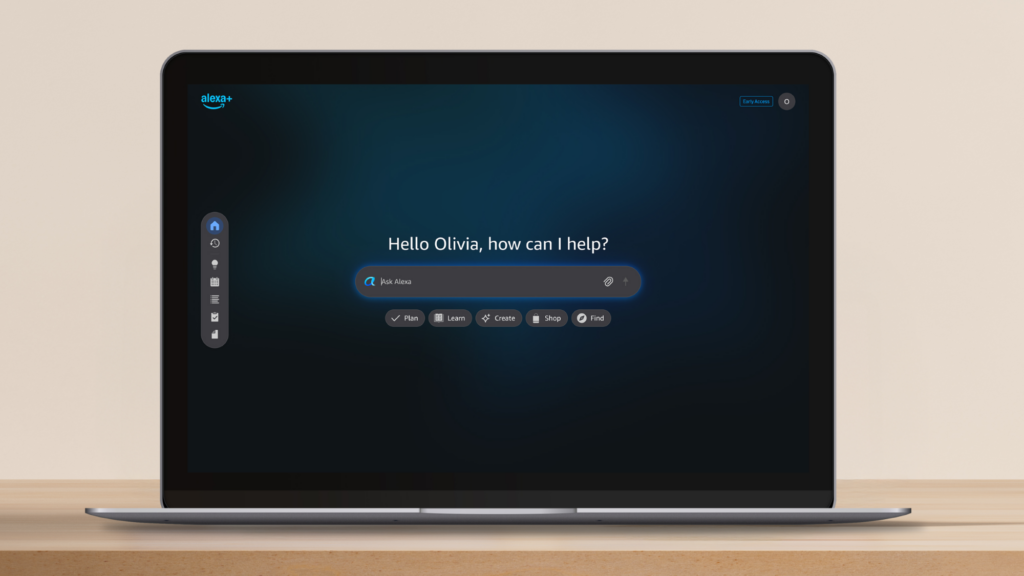
As AI assistants integrate into operating systems, cars, and smart devices, the cost of invisibility increases. Voice assistants do not offer five options. They offer one.
Imagine asking for the best SME bank, CRM, or logistics partner and hearing the same brand recommended repeatedly. That brand will win disproportionate market share, not because it advertised more, but because it became the default answer.
This dynamic mirrors what happened with search engines, but faster and more concentrated.
Conclusion: The New Rules of AI Visibility
Ranking inside AI assistants like ChatGPT is not about optimization tricks. It is about becoming the most trusted, clearly defined answer to a real problem.
Brands that win will focus on authority over algorithms, consistency over campaigns, and trust over traffic. They will treat content as infrastructure and reputation as a compounding asset.
The AI era rewards brands that teach the internet who they are. If you do not define yourself clearly, AI systems will either ignore you or misrepresent you.
The future of visibility belongs to brands that understand this shift early and act decisively.
FAQs:
1. What does ranking inside AI assistants mean?
Ranking inside AI assistants refers to how often and how prominently a brand is referenced or recommended in AI generated responses rather than traditional search engine results.
2. Is AI SEO different from traditional SEO?
Yes. AI SEO focuses more on topical authority, brand mentions, structured data, and trust signals rather than just keywords and backlinks.
3. How can brands improve their visibility in AI tools?
Brands should create expert level content, gain mentions in authoritative publications, implement structured data, and maintain consistent digital credibility.
4. Do reviews influence AI assistant recommendations?
Yes. Verified reviews and strong third party validation significantly impact how AI systems interpret and recommend brands.
5. Will traditional search disappear?
Unlikely in the near term. However, AI driven interfaces are expected to capture a growing share of information queries over the next five years, making adaptation essential.