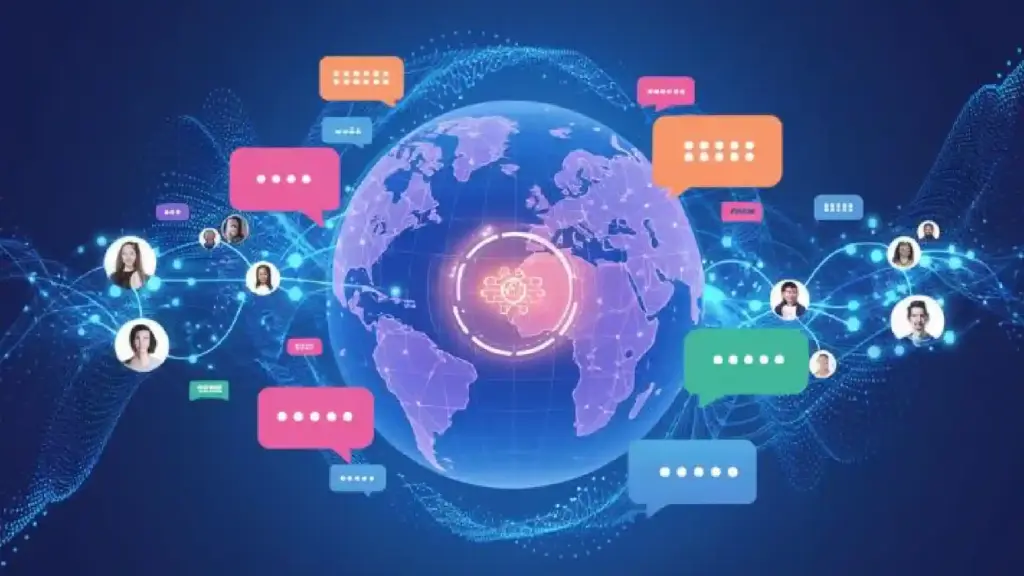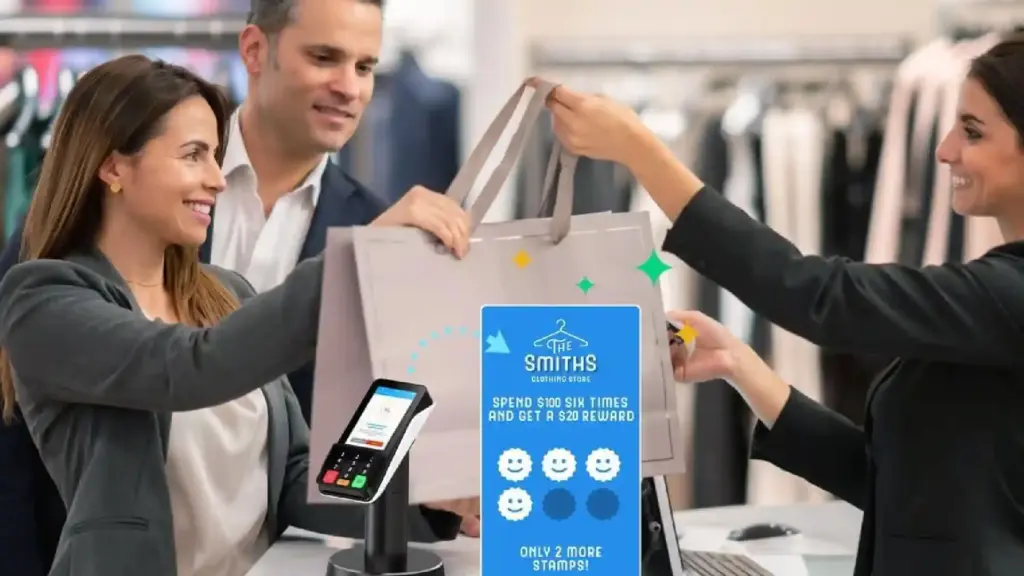


Customers no longer interact with brands through a single channel. They browse products on social media, compare prices on websites, ask questions through live chat, visit physical stores, and complete purchases on mobile apps. They expect every interaction to feel connected, regardless of where it happens.
This shift has made omnichannel marketing one of the most effective strategies for businesses seeking long-term growth. Unlike multichannel marketing, which simply establishes a presence across multiple platforms, omnichannel marketing integrates every touchpoint into a seamless customer journey. The result is a more personalized, convenient, and consistent experience that increases customer satisfaction and loyalty.
According to research by Harvard Business Review, customers who engage with brands across multiple channels tend to spend more than single-channel shoppers. As businesses continue investing in digital transformation, delivering a unified customer experience has become a competitive necessity rather than a luxury.
What Is Omnichannel Marketing?
Omnichannel marketing is a customer-centric strategy that creates a consistent brand experience across every communication and sales channel.
Whether a customer discovers a product through Instagram, receives an email promotion, visits the company website, or shops in-store, each interaction builds on the previous one. Customer preferences, purchase history, and engagement data remain connected, allowing brands to provide personalized experiences throughout the buying journey.
This approach differs from multichannel marketing because the channels work together rather than operating independently.
For example:
- A customer adds products to an online shopping cart and later completes the purchase through a mobile app.
- A retailer sends personalized recommendations based on previous in-store purchases.
- Customer support agents access complete interaction histories regardless of whether conversations began through email, chat, or social media.
The focus shifts from managing channels to serving customers seamlessly.
Why Customer Experience Depends on Omnichannel Strategies
Customer expectations continue to rise as technology evolves.
Consumers expect brands to recognize them instantly, remember previous interactions, and offer relevant recommendations. When businesses fail to provide continuity, customers often become frustrated and abandon purchases.
Research from Salesforce consistently shows that most consumers expect connected experiences across departments, yet many businesses still struggle with disconnected customer data.
A strong omnichannel strategy improves customer experience by:
- Reducing friction throughout the buying process
- Delivering personalized recommendations
- Maintaining consistent messaging
- Providing faster customer support
- Building trust through familiar brand experiences
Each improvement contributes to stronger customer relationships and increased lifetime value.
Build a Unified Customer Data Platform
The foundation of successful omnichannel marketing is unified customer data.
Many organizations still store customer information across separate systems for email marketing, e-commerce, customer service, and retail operations. These data silos prevent businesses from understanding the complete customer journey.
A Customer Data Platform (CDP) consolidates information from multiple sources into a single customer profile.
With centralized data, marketers can:
- Track interactions across channels
- Personalize communications
- Improve audience segmentation
- Predict future purchasing behavior
- Deliver consistent messaging
For example, Starbucks integrates purchase history, loyalty rewards, mobile payments, and app activity into one customer profile. This enables personalized offers that reflect individual buying habits rather than generic promotions.
Personalize Every Customer Interaction
Personalization has become one of the strongest drivers of customer satisfaction.
Today’s consumers expect businesses to understand their preferences without repeatedly asking for the same information.
Effective personalization includes:
- Product recommendations
- Dynamic website content
- Personalized email campaigns
- Location-based promotions
- Customized loyalty rewards
Amazon remains a leading example of personalization. Its recommendation engine analyzes browsing history, purchases, wish lists, and customer behavior to present highly relevant products. This personalized experience contributes significantly to customer retention and revenue growth.
Personalization should extend beyond marketing into customer service, checkout experiences, and post-purchase communication.

Create Consistent Messaging Across Channels
Customers often move between multiple platforms before making purchasing decisions.
If pricing, promotions, branding, or messaging differ significantly across channels, trust quickly declines.
Successful omnichannel brands maintain consistency across:
- Websites
- Mobile apps
- Social media
- Email marketing
- Physical stores
- Customer support
Apple demonstrates this consistency exceptionally well. Whether customers visit an Apple Store, browse the website, use the mobile app, or contact support, the design language, messaging, and customer experience remain remarkably similar.
Consistency reduces confusion while reinforcing brand credibility.
Integrate Online and Offline Experiences
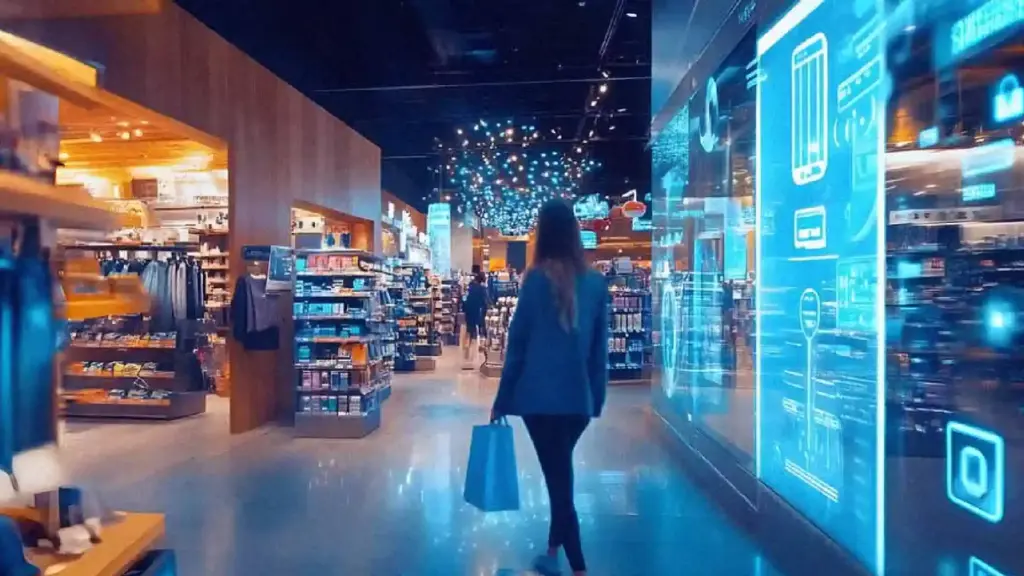
The distinction between digital and physical commerce continues to disappear.
Customers increasingly expect online and offline experiences to complement each other.
Popular omnichannel features include:
- Buy online, pick up in-store (BOPIS)
- Reserve online before visiting stores
- Mobile payment integration
- Digital receipts
- In-store inventory visibility
- QR code product information
Retailers like Target have invested heavily in integrating online shopping with physical fulfillment options. Customers enjoy greater flexibility while businesses benefit from improved convenience and increased store traffic.
These hybrid experiences create smoother customer journeys and reduce purchase barriers.
Leverage Marketing Automation for Better Timing
Marketing automation helps businesses communicate with customers at the right moment.
Rather than sending generic campaigns to everyone, automation responds to customer behavior in real time.
Examples include:
- Cart abandonment reminders
- Welcome email sequences
- Birthday offers
- Loyalty milestone rewards
- Product replenishment reminders
- Post-purchase follow-up emails
Automation ensures customers receive relevant communications without overwhelming marketing teams.
When combined with customer data, automation creates highly personalized experiences at scale.
Empower Customer Support Across Every Channel
Customer experience extends well beyond marketing.
Support teams should have complete visibility into customer interactions regardless of where conversations begin.
An effective omnichannel support strategy includes:
- Live chat
- Phone
- Social media messaging
- WhatsApp support
- Self-service knowledge bases
For example, if a customer starts a conversation through Facebook Messenger and later calls customer service, the representative should immediately access the previous discussion.
This continuity reduces frustration while improving first-contact resolution rates.
Measure the Entire Customer Journey
Successful omnichannel marketing relies on continuous optimization.
Rather than evaluating channels individually, businesses should analyze the complete customer journey.
Key performance indicators include:
- Customer Lifetime Value (CLV)
- Customer Satisfaction Score (CSAT)
- Net Promoter Score (NPS)
- Customer Retention Rate
- Conversion Rate
- Repeat Purchase Rate
- Average Order Value
- Cross-channel engagement
Modern analytics platforms allow businesses to identify where customers encounter friction and optimize those moments.
Regular measurement ensures marketing investments continue improving customer experiences over time.
Real-World Examples of Omnichannel Excellence
Several global companies have become benchmarks for omnichannel customer experiences.
Starbucks
The Starbucks Rewards ecosystem connects mobile ordering, payments, loyalty points, and in-store purchases into one seamless experience. Customers can earn rewards regardless of how they shop, creating convenience and encouraging repeat visits.
Nike
Nike integrates its website, mobile apps, retail stores, and membership program to create highly personalized shopping experiences. Customer data enables tailored recommendations, exclusive product launches, and fitness content that strengthens long-term engagement.
Sephora
Sephora combines online beauty profiles, loyalty programs, virtual product trials, and in-store consultations. Customers can seamlessly transition between digital research and physical shopping while maintaining consistent recommendations and rewards.
These organizations demonstrate that omnichannel marketing is about simplifying customer interactions rather than adding more channels.
The Future of Omnichannel Marketing
Artificial intelligence, predictive analytics, and real-time personalization are reshaping omnichannel marketing.
Businesses are increasingly using AI to anticipate customer needs before they arise. Chatbots, recommendation engines, predictive inventory management, and conversational commerce are becoming standard components of modern customer experiences.
At the same time, privacy regulations continue to evolve. Organizations must balance personalization with transparency by collecting customer data responsibly and providing clear consent options.
Companies that successfully combine technology with customer trust will be best positioned to compete in the coming years.

Conclusion
Omnichannel marketing has become a fundamental strategy for delivering exceptional customer experiences. Rather than focusing on individual channels, successful businesses design connected journeys that prioritize convenience, personalization, and consistency.
Organizations that unify customer data, integrate digital and physical interactions, automate personalized communications, and empower customer support teams create stronger relationships that drive loyalty and long-term growth.
As customer expectations continue to rise, investing in omnichannel capabilities is no longer optional. Businesses that deliver seamless experiences across every touchpoint will be the ones that earn customer trust and sustain competitive advantage.
FAQs:
1. What is omnichannel marketing?
Omnichannel marketing is a strategy that integrates all customer touchpoints, including online and offline channels, to provide a seamless and consistent customer experience.
2. How is omnichannel marketing different from multichannel marketing?
Multichannel marketing uses multiple communication channels independently, while omnichannel marketing connects those channels into one unified customer journey.
3. Why is omnichannel marketing important?
It improves customer satisfaction, increases loyalty, enhances personalization, and helps businesses deliver consistent experiences that boost revenue and retention.
4. What technologies support omnichannel marketing?
Key technologies include Customer Data Platforms (CDPs), Customer Relationship Management (CRM) systems, marketing automation platforms, AI-powered analytics, and integrated e-commerce solutions.
5. What are the biggest challenges of implementing omnichannel marketing?
Common challenges include fragmented customer data, legacy systems, inconsistent messaging, privacy compliance, and aligning teams across marketing, sales, and customer service.