


For more than a decade, organic reach was the holy grail of digital marketing. A clever tweet, a trending hashtag, or a viral video could catapult unknown brands into global relevance overnight. But today, that playbook feels outdated. Social media platforms have matured, algorithms have tightened, and organic reach has steadily declined across almost every major network.
Yet here is the paradox. While marketers lament the death of organic reach, many brands are quietly growing faster, more profitably, and more predictably than ever before. They are doing it without chasing virality.
This shift marks a deeper evolution in how brand growth works in 2025. Visibility is no longer about being seen by everyone. It is about being valuable to the right people, repeatedly, in places brands actually control.
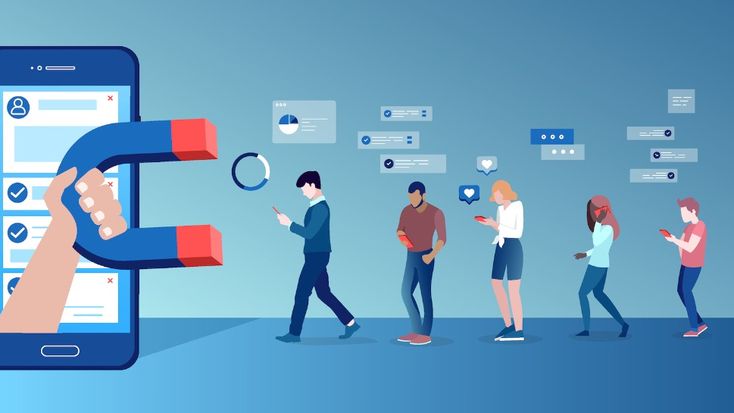
The Reality Check: Organic Reach Is Not What It Used to Be
Data from multiple industry reports between 2022 and 2024 shows organic reach on major platforms falling to historic lows. On average, brands now reach less than 5 percent of their followers with an unpaid post. On some platforms, that number drops below 2 percent.
This is not an accident. Social networks are businesses. Their algorithms prioritize content that keeps users scrolling and ads that generate revenue. Brand posts, unless they spark immediate engagement, are deprioritized by design.
A former product manager at a major social platform summed it up bluntly in a 2023 interview: organic reach was always a temporary incentive, not a permanent feature.
For brands, this means one thing. Relying on free distribution inside rented platforms is no longer a growth strategy. It is a gamble.
Why Virality Became a Trap for Brands
Virality looks seductive on dashboards. Spikes in impressions. Exploding follower counts. Short-term buzz. But beneath the surface, viral growth often fails to translate into durable business value.
The first problem is audience mismatch. Viral content spreads because it appeals broadly, not because it attracts ideal customers. A skincare brand may go viral for a funny meme, but the new followers might never buy a product.
The second issue is volatility. Virality is unpredictable by nature. Brands cannot build forecasts, pipelines, or long-term strategies around luck.
Finally, virality trains teams to optimize for algorithms instead of customers. Over time, this erodes brand clarity and consistency.
As one global CMO put it at a 2024 marketing summit, virality is sugar. Sustainable growth is protein.
The Rise of Owned Media as a Growth Engine
One of the clearest winners in the post-organic-reach era is owned media. Newsletters, blogs, podcasts, and branded communities are experiencing a quiet renaissance.
Owned media flips the power dynamic. Instead of asking platforms for reach, brands build direct relationships with their audiences. Email lists, for example, consistently deliver open rates of 20 to 40 percent, dwarfing organic social performance.
A well-known fintech company reported in 2024 that more than 60 percent of its qualified leads came from its newsletter, not social media. The content was not viral. It was useful.
This strategy works because owned media compounds. Each subscriber adds long-term value, and each piece of content strengthens trust over time.
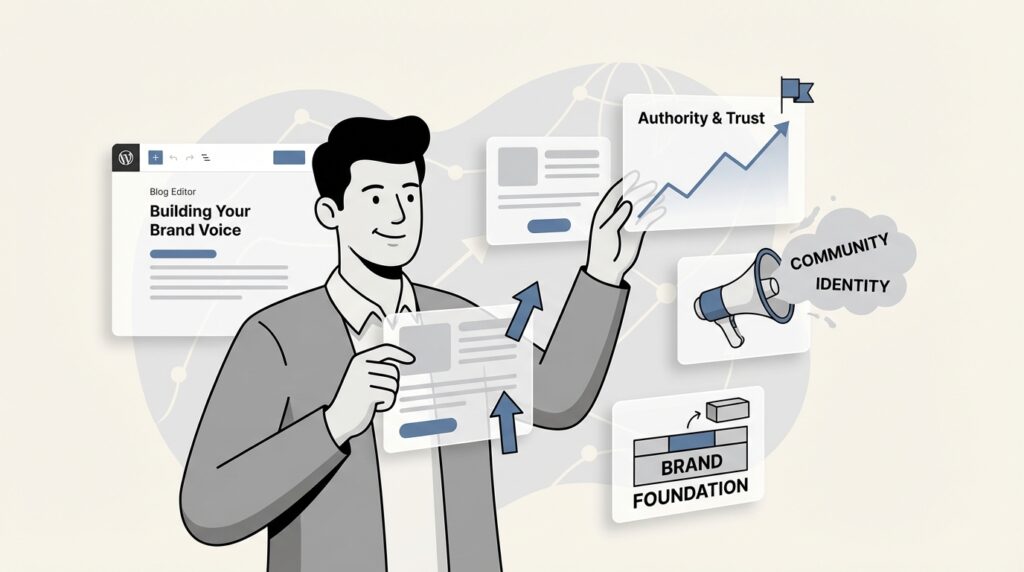
In a world where algorithms change overnight, ownership is stability.
Community Over Audience: The New Brand Moat
Another powerful shift is the move from audience building to community building. An audience listens. A community participates.
Brands are increasingly investing in private Slack groups, Discord servers, WhatsApp communities, and invite-only forums. These spaces are smaller but far more engaged.
A global fitness brand shared that its private community members spend three times more annually than non-members. They also refer more customers, provide product feedback, and create user-generated content organically.
Community works because it taps into identity, not attention. People do not just follow brands. They belong to them.
This approach also reduces dependency on reach metrics. When brands nurture conversations instead of impressions, engagement becomes deeper and more meaningful.
Performance Marketing Without the Burn
As organic reach declined, many brands rushed headfirst into paid advertising. Some scaled successfully. Others burned cash chasing short-term returns.
The brands winning today use performance marketing differently. Instead of relying on cold audiences, they use paid media to amplify what already works.
High-performing owned content, community testimonials, and educational resources become the fuel for paid campaigns. This lowers acquisition costs and improves conversion rates.
A B2B SaaS company revealed that retargeting engaged newsletter readers delivered a cost per lead 40 percent lower than broad social ads.
Paid media is no longer the strategy. It is the accelerator.
Content That Wins Without Going Viral
If content is no longer designed to go viral, what is it designed to do?
The answer is simple. Solve specific problems for specific people.
Brands are shifting from entertainment-first content to value-first content. How-to guides, explainers, behind-the-scenes insights, and opinionated analysis outperform flashy posts in long-term performance.
Search-driven content also plays a crucial role. Unlike social posts, SEO content compounds over years, not hours. A single well-ranked article can outperform hundreds of social posts combined.
The smartest brands now ask a different question. Not will this go viral, but will this still be useful in twelve months?
Case Study: Growth Without Virality
Consider a mid-sized direct-to-consumer brand in Southeast Asia. Instead of chasing influencers and viral trends, it invested in three things: a weekly educational newsletter, a loyal customer community, and a content-rich website optimized for search.
Within eighteen months, organic social traffic declined by 30 percent. Revenue, however, grew by 2.5x.
Why? Repeat customers increased. Email-driven sales outpaced social. Customer acquisition costs stabilized. The brand stopped depending on unpredictable reach and started building predictable demand.
This story is no longer an exception. It is becoming the rule.
What This Means for Marketers and Founders
The death of organic reach is not the end of opportunity. It is the end of shortcuts.
Brands that win in this new era focus on systems, not spikes. They invest in assets they own, relationships they nurture, and content that compounds.
Virality may still happen occasionally. But it is no longer the goal. It is a bonus.
As platforms become more crowded and expensive, the brands that survive will be the ones that build depth instead of chasing width.

Conclusion: Sustainable Growth Is Quiet Growth
Organic reach is not dead. It is just no longer reliable.
The brands thriving today understand that growth does not have to be loud to be powerful. They trade fleeting visibility for lasting relevance. They prioritize trust over trends, and consistency over chaos.
In 2025 and beyond, winning without virality is not a compromise. It is a competitive advantage.
The future belongs to brands that stop asking for attention and start earning loyalty.
FAQs:
1. Why has organic reach declined for most brands?
Organic reach has declined due to increased competition, algorithm changes, and platforms prioritizing paid content and personal interactions. As more brands publish content, visibility without promotion has become harder to achieve.
2. What strategies are replacing organic reach for brand growth?
Brands are focusing on community building, owned audiences, partnerships, and paid amplification. Email lists, private groups, and creator collaborations now drive more consistent engagement than public feeds.
3. How important is paid media in a low organic reach environment?
Paid media is increasingly essential for visibility and scale. Even high-quality content often needs budget support to reach the right audiences and generate measurable impact.
4. What role does community play in modern brand growth?
Community creates repeat engagement, trust, and advocacy. Smaller, more engaged audiences often deliver more long-term value than large but passive follower counts.
5. How can brands grow sustainably without relying on viral content?
Sustainable growth comes from consistency, strong positioning, and owned channels. Brands that invest in long-term relationships outperform those chasing short-term viral spikes.