


Introduction
In 2026, corporate web design sits at a strategic crossroads. On one side is rapid innovation driven by AI, immersive interfaces, and real time personalization. On the other is credibility, the hard won trust that global brands spend decades building. The challenge for enterprises is no longer whether to modernize their websites, but how to do so without undermining authority, security, and professionalism.
For executives, investors, and customers alike, a corporate website remains the most visible signal of competence. It is the digital headquarters where brand promise meets proof. As competition intensifies and attention spans shrink, design decisions now carry business consequences. This article explores how leading organizations balance innovation and credibility in corporate web design in 2026, drawing on data, real world examples, and actionable frameworks for decision makers.
The State of Corporate Web Design in 2026
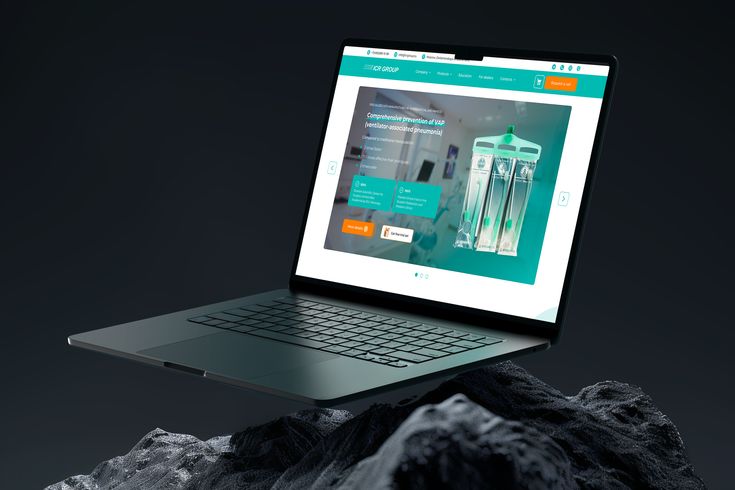
Corporate websites have evolved far beyond static brochures. According to recent global UX surveys conducted in 2025, over 70 percent of enterprise sites now integrate AI driven personalization, while 60 percent use advanced motion design to guide user attention. Yet trust remains fragile. Edelman’s Trust Barometer shows that 58 percent of users still judge a company’s credibility primarily by its website experience.
This tension defines 2026. Innovation is expected, but excess experimentation can quickly erode confidence, especially in regulated industries like finance, healthcare, and energy.
Key forces shaping the landscape
- AI powered interfaces that adapt content by role, geography, or intent
- Heightened security and privacy expectations due to global regulation
- Increased scrutiny from investors and partners who rely on digital signals
Leading brands such as IBM have responded by treating design systems as strategic assets, ensuring consistency while allowing controlled experimentation.
Innovation That Adds Value, Not Noise
Innovation in 2026 is no longer about visual novelty alone. It is about measurable business outcomes. Executives increasingly ask one question: does this design innovation help users make better decisions?
Meaningful innovation trends
- AI assisted navigation
Intelligent search and contextual menus reduce friction for complex offerings. - Micro interactions with purpose
Subtle animations clarify cause and effect, improving usability rather than distracting. - Immersive storytelling
Data visualization and interactive case studies replace long text blocks.
A McKinsey Digital study found that companies aligning design innovation with user intent achieved up to 32 percent higher conversion rates compared to visually experimental peers.
Brands like Google demonstrate this balance by pairing advanced UI patterns with familiar layouts that anchor user trust.
Credibility as a Design Principle
Credibility is not a visual style. It is a system of signals that reassure users at every interaction. In 2026, credibility is increasingly designed, not assumed.
Core credibility signals in enterprise design
- Clarity over cleverness
Clear messaging and hierarchy outperform abstract creativity. - Transparency by default
Visible leadership pages, ESG disclosures, and security documentation build confidence. - Performance and accessibility
Fast load times and inclusive design are now baseline expectations, not extras.
Research from the Nielsen Norman Group shows that users are 47 percent more likely to trust sites that prioritize readability and accessibility standards.
Global corporations like Unilever have invested heavily in accessible design systems, reinforcing trust across diverse markets
The Role of Design Systems in 2026
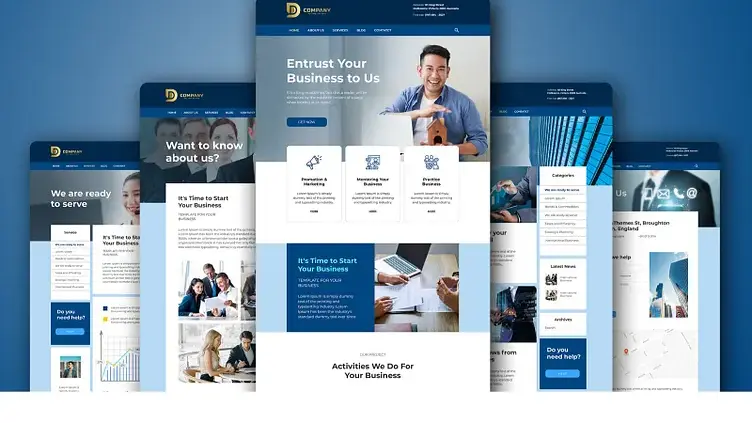
Design systems have become the backbone of credible innovation. In 2026, they are no longer static libraries but living platforms that encode brand values.
Why design systems matter now
- They allow rapid experimentation without fragmenting brand identity.
- They reduce risk by standardizing compliance and accessibility.
- They enable global teams to scale consistently.
According to Figma’s 2025 Enterprise Design Report, organizations with mature design systems ship new digital features 50 percent faster while maintaining higher brand consistency scores.
Companies like Salesforce treat their design systems as board level assets, linking them directly to customer trust metrics.
Case Study: Financial Services and Digital Trust
Few sectors illustrate the innovation credibility balance better than financial services. Banks face intense pressure to modernize while operating under strict regulatory oversight.
A European multinational bank redesigned its corporate site in 2025 with AI driven content personalization for investors, regulators, and retail customers. The result was a 28 percent increase in engagement and a measurable rise in trust scores, driven by clearer disclosures and consistent visual language.
The lesson is clear. Innovation succeeds when it is framed by reliability, not rebellion.
What Executives Should Demand From Web Design Teams
In 2026, corporate web design is a leadership issue, not just a marketing function. Boards and C suites increasingly ask for design KPIs alongside financial metrics.
Strategic questions leaders should ask
- How does this design decision reinforce trust with stakeholders?
- What risks does innovation introduce, and how are they mitigated?
- How does the website support long term brand equity?
Accenture research indicates that companies aligning digital design with corporate strategy are 1.5 times more likely to outperform peers in revenue growth.
Conclusion: The Future of Corporate Web Design
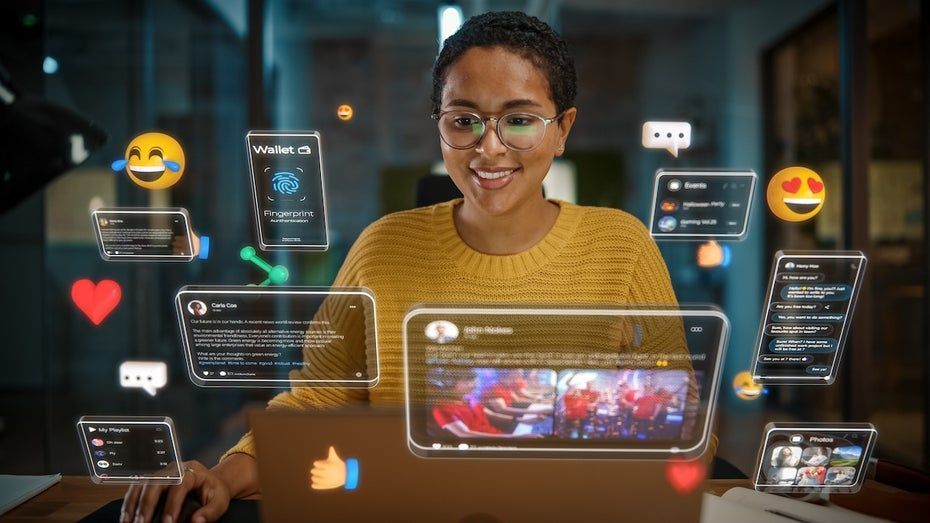
Corporate web design in 2026 is defined by disciplined creativity. The winners are not the loudest or the most experimental, but the most intentional. Innovation must serve clarity. Technology must reinforce trust.
As AI, personalization, and immersive interfaces continue to evolve, credibility will remain the ultimate differentiator. Enterprises that invest in thoughtful design systems, user centered innovation, and transparent digital experiences will not only look modern. They will be believed.
For leaders, the mandate is simple. Treat your website as a strategic asset where innovation and credibility coexist by design.
FAQs:
Q1. Why is credibility the most important factor in corporate web design in 2026?
In 2026, buyers, partners, and investors research brands deeply before engaging. A credible corporate website signals trust, stability, and competence within seconds. Design elements like clarity, transparency, and professionalism directly influence decision-making and long-term growth.
Q2. What design elements build corporate credibility online?
Clear messaging, strong typography, consistent branding, executive visibility, client logos, case studies, and security indicators all reinforce credibility. Performance factors like fast load speed and accessibility also play a critical role in trust perception.
Q3. How does corporate web design impact business growth?
A credible website shortens sales cycles, improves lead quality, increases investor confidence, and strengthens employer branding. Companies with high-trust digital experiences convert more enterprise clients and attract higher-value partnerships.
Q4. How is corporate web design different in 2026 compared to previous years?
Corporate design in 2026 is less about visual flair and more about strategic clarity. Websites prioritize authority, proof points, and frictionless UX over decorative elements. AI-powered personalization and modular content structures also enable scalability.
Q5. Can small and mid-sized companies compete with enterprise brands through web design?
Yes. By focusing on clarity, storytelling, and credibility signals rather than size, smaller firms can compete effectively. Well-structured content, transparent leadership pages, and polished UX matter more than large budgets.