

Artificial intelligence is no longer just a behind-the-scenes tool. It has entered the spotlight as a creator in its own right, powering a fast-growing class of digital personalities known as synthetic creators. These AI-driven entities write articles, compose music, design visuals, influence consumer behavior, and even build loyal fan bases. As the creator economy surpasses an estimated 250 billion dollars in 2024, according to Goldman Sachs, the introduction of non-human competitors is reshaping business models, advertising strategies, and cultural norms.
This article explores the business implications, opportunities, and ethical dilemmas emerging as AI-generated content becomes mainstream. It examines what synthetic creators mean for entrepreneurs, media companies, brands, and regulators and offers guidance for navigating this new landscape.
The evolution of AI-generated content
AI-generated content has existed in experimental form for more than a decade, but the emergence of large-scale generative models in 2022 accelerated adoption. Today’s models can produce editorial-quality text, cinematic images, hyperrealistic avatars, and real-time video performances in minutes.
A 2024 McKinsey analysis estimated that generative AI could create up to 4.4 trillion dollars in annual economic value across industries, with content creation cited as one of the fastest-growing use cases. Brands now use AI to scale marketing output, automate customer engagement, and maintain round-the-clock omnichannel presence.
This shift laid the groundwork for synthetic creators, who blend generative technology with character design and audience analytics to operate similarly to human influencers but at far greater speed and consistency.
Data point: More than 40 percent of global marketers used generative AI for content production in 2024, according to HubSpot’s annual State of Marketing report.
What are synthetic creators?
Synthetic creators are fully or partially AI-generated personas that produce and distribute content across social platforms, streaming networks, and branded ecosystems. They range from realistic virtual influencers to stylized fictional characters and brand-owned digital spokespeople.
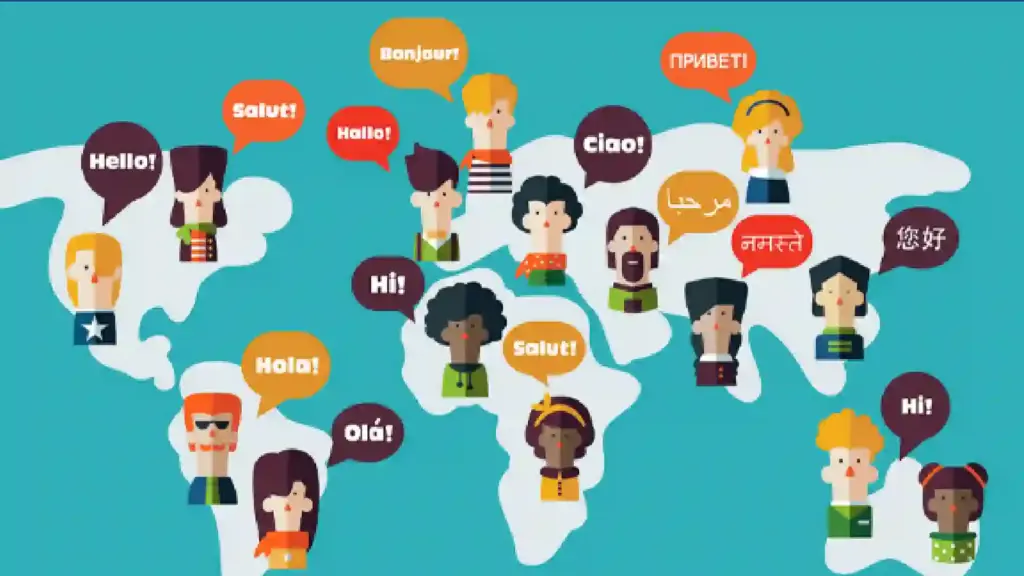
Unlike human creators, synthetic creators do not experience fatigue, risk scandals, or require traditional compensation structures. They also offer new creative possibilities: a brand can deploy an AI avatar that speaks 20 languages, appears in thousands of videos simultaneously, and adapts its visual identity within seconds.
Case study: Lil Miquela, a pioneering virtual influencer with more than 2 million Instagram followers, attracted major fashion collaborations and generated millions in brand partnerships. While not fully autonomous, her success demonstrated the commercial viability of synthetic identity.
Expert insight: “Synthetic creators allow businesses to bypass many operational constraints of the creator economy and focus purely on storytelling and engagement,” notes Dr. Sinead Bovell, a futurist specializing in AI-driven culture.
Why brands are embracing synthetic creators
Consistency and brand safety
Human creators bring authenticity, but also unpredictability. AI personas can remain perfectly aligned with brand guidelines, tone, and ethics. For industries where reputation risks carry high costs, controlled personas are appealing.
Infinite scalability
Generative AI allows creators to produce thousands of content variations instantly. A synthetic travel influencer, for example, can appear in dozens of global destinations without physical logistics.
Cost efficiency
While initial development requires investment, ongoing production costs are significantly lower than traditional influencer partnerships. A study from Influencer Marketing Hub found that virtual influencers deliver up to 3 times higher engagement at lower cost than human counterparts.
Global reach
With multilingual capabilities and customizable cultural contexts, synthetic creators are inherently global. Brands entering new markets can localize content rapidly without hiring regional teams.
Economic impact on the creator ecosystem
Synthetic creators are not replacing human influencers outright, but the competitive dynamics are shifting.
Hybrid creator strategies
Many companies now combine human-led storytelling with AI assistance. Creators use AI to script videos, enhance visuals, or generate new content formats. As a result, the creators who adopt AI see productivity gains up to 40 percent, according to Adobe’s 2024 Future of Creativity report.
Erosion of entry barriers
AI tools allow individuals to produce professional-quality content without specialized skills. This democratization expands the overall creator pool, but also saturates digital markets, making differentiation essential.
New business models
Synthetic creators unlock licensing-based monetization, automated merchandising, and perpetual content streams. Because these entities do not “age out,” they can evolve with market trends indefinitely.
Ethical and regulatory concerns
The rise of synthetic creators brings complex questions around authenticity, disclosure, and intellectual property.
Transparency
Regulators in the EU and US have begun drafting guidelines requiring clear labeling of AI-generated content. This mirrors existing rules for digitally altered images in advertising.
Deepfake risk and misinformation
As synthetic personas become more lifelike, preventing misuse is critical. Platforms such as TikTok and Meta are developing watermarking standards to detect AI-generated audio and video.
Cultural representation
AI-generated characters must reflect diverse audiences responsibly. Critics warn against stereotypical or exploitative portrayals created without human oversight.
IP ownership
Who owns a synthetic creator? The company that built the model? The artist who designed its appearance? The AI that evolves its content? Legal frameworks remain in early stages.
Expert quote: “We are entering an era where identity itself becomes programmable, and that challenges everything from copyright law to our understanding of authenticity,” says Professor Kate Darling of the MIT Media Lab.
Opportunities for entrepreneurs and creators
Synthetic creators are not just a corporate tool; they are an entrepreneurial platform.
Build AI-native creator brands
Founders can design digital personalities to serve niche communities: education, fitness coaching, financial literacy, mental wellness, and more.
White-label AI influencer services
Agencies can offer customizable synthetic creators to brands lacking in-house AI expertise.
AI-enhanced personal brands
Human creators can integrate AI co-hosts, multilingual clones, or animated alter egos to scale output while preserving authentic identity.
Data-driven audience insights
Synthetic creators can run rapid A/B content tests and feed analytics back into human teams, improving content strategy.
Example: Japanese virtual pop star Hatsune Miku, originally a synthetic voicebank, evolved into a massive global entertainment brand supported by millions of fans.
How businesses can adopt synthetic creators responsibly
- Develop a disclosure policy. Consumers expect transparency when interacting with AI-driven entities.
- Establish ethical guardrails. Define what your synthetic creator can and cannot say or represent.
- Invest in cultural sensitivity. Localize responsibly with human review.
- Start with pilot programs. A/B test synthetic creator content before scaling.
- Blend human and AI creativity. Use hybrid models to maintain authenticity.
Conclusion
Synthetic creators represent a historic shift in how content is produced, distributed, and monetized. As generative technologies mature, the line between creator and tool will blur further, challenging traditional norms in media, marketing, and culture.
For entrepreneurs and global brands, the opportunity is significant. Those who embrace AI-generated content early, experiment thoughtfully, and prioritize ethical use will shape the next era of the digital economy.