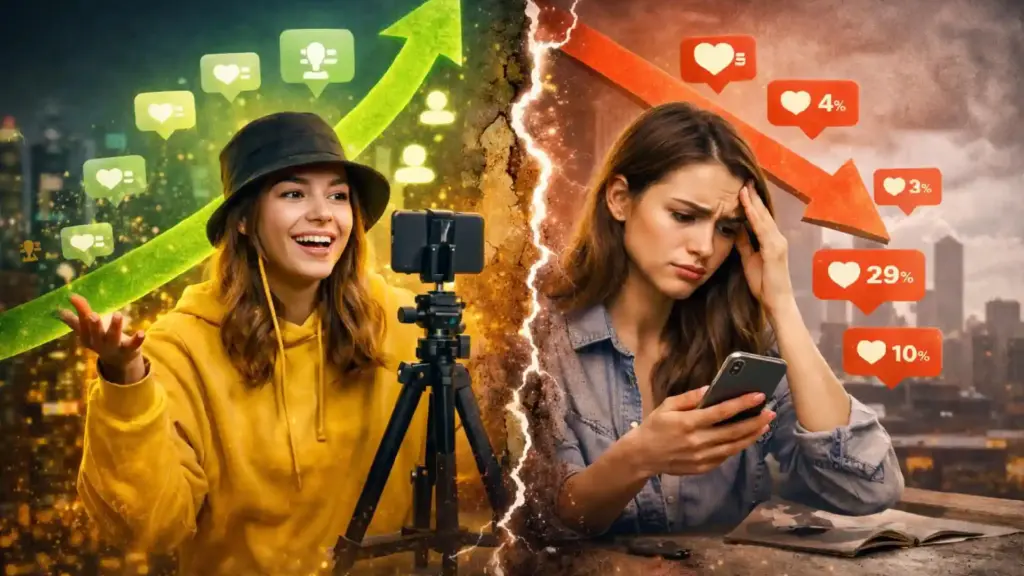


A familiar face appears in a social video. The creator speaks naturally, recommends a product and sounds exactly like the person millions of followers recognize. There is only one problem: the influencer may never have recorded it.
That possibility is becoming a serious business problem for the creator economy. Generative AI can now reproduce faces, voices and speaking styles with increasing realism, lowering the cost of producing synthetic media while making visual evidence harder to trust.
For influencer marketing, the threat goes beyond obvious scams. The industry is built around a simple commercial promise: consumers listen because they believe there is a real person behind the recommendation. AI deepfakes weaken that assumption. As brands spend more on creators, proving that an endorsement is authentic, authorized and transparent is becoming as important as producing the campaign itself.
Influencer Marketing Is Growing Just as Authenticity Gets Harder to Prove
The timing could hardly be more consequential.
According to the Interactive Advertising Bureau’s 2025 Creator Economy Ad Spend & Strategy Report, U.S. creator advertising spend was projected to reach $37 billion in 2025, up 26% year over year. The IAB expects it to reach $44 billion in 2026. Nearly half of creator ad buyers surveyed, 48%, considered creators a “must buy.”
That investment exists partly because creators can offer something conventional advertising often struggles to manufacture: human connection.
Deloitte’s 2025 Digital Media Trends found that roughly half of Gen Z and millennial respondents felt a stronger personal connection to social media creators than to television personalities or actors. For marketers, that relationship can translate into attention, credibility and purchasing influence.
Deepfake technology attacks that advantage at its foundation.
If consumers cannot confidently determine whether an influencer actually appeared in a video, used a product or authorized an endorsement, the creator’s face stops functioning as proof of participation.
The problem becomes even more complicated because AI itself is not inherently deceptive. Creators can legitimately use it for editing, translation, dubbing, ideation, personalization and production. A creator might authorize an AI-generated version of their voice to publish a campaign in several languages, for example.
The important dividing line is therefore not simply human versus AI. It is authorized and transparent versus unauthorized or deceptive.
That distinction will increasingly define trustworthy influencer marketing.
Deepfakes Turn a Creator’s Identity Into a Cybersecurity Asset
Influencers once primarily had to protect their passwords, accounts and unreleased content. Now they also need to protect their faces and voices.
A sufficiently convincing synthetic video can potentially imitate a creator without requiring access to the creator’s social account. Publicly available videos, interviews and podcasts can provide material from which AI systems can learn characteristics of a person’s appearance or voice.
That changes the nature of identity risk.
A creator’s likeness is no longer merely part of their personal brand. It is effectively a digital asset that can be copied, manipulated and redistributed.
Consider a hypothetical beauty creator who has spent years building trust around carefully reviewed products. A fraudulent account publishes a realistic video apparently showing her promoting an unknown skincare product. Some viewers recognize the deception, but others purchase it. Screenshots and reposts then spread beyond the original platform.
The damage does not necessarily disappear when the original video is removed. Consumers may remember the endorsement without remembering where they saw it.
For brands, this creates a parallel danger. A deepfake could falsely associate a creator with a company, or falsely associate a company with a creator. The resulting reputational damage can affect both parties before either knows that the content exists.
Platforms are responding. YouTube strengthened its AI disclosure system in 2026, including more prominent labels for photorealistic or meaningfully AI-generated content and automatic labeling in some cases where its systems detect significant photorealistic AI use.
YouTube has also expanded likeness-detection technology. The system works similarly to Content ID by searching for AI-generated content matching a participant’s likeness and allowing eligible people to review potential matches and request removal. In 2026, YouTube expanded access beyond creators to groups including journalists, public figures and entertainment-industry talent.
The direction is significant: identity protection is becoming part of creator infrastructure.
The Bigger Risk Is a Collapse in Consumer Confidence
The most dangerous outcome of deepfakes may not be consumers believing everything they see. It may be consumers believing nothing.
Influencer marketing depends heavily on perceived authenticity. Followers understand that sponsored content is commercial, but successful creators preserve a sense that the recommendation still reflects a recognizable person’s judgment, experience or personality.
Synthetic media introduces another question into every endorsement: Did this person actually say this?
Once audiences regularly ask that question, even legitimate campaigns inherit some of the suspicion generated by fraudulent ones.
The IAB’s research already captures this tension. While nearly three in four creator ad buyers were using or planning to use AI, 95% of advertisers surveyed had concerns about AI in creator marketing. The leading concern was the loss of human connection, precisely the quality that makes creator advertising attractive in the first place.
This creates what might be called an authenticity tax.
Brands and creators may increasingly need to spend additional money and time proving that legitimate content is genuine. Verification technology, content provenance, contractual AI clauses, monitoring services, watermarking and rapid-response processes all become additional operating costs.
AI can make content production cheaper. At the same time, it can make trust more expensive.
That trade-off matters because influencer marketing has traditionally benefited from appearing less manufactured than conventional advertising. If every creator campaign begins to resemble a digital forensic exercise, part of that advantage disappears.
The strongest brands will therefore avoid making consumers responsible for solving the authenticity puzzle. Transparency should be built into the campaign before publication.
Platforms Are Moving Toward Labels, Detection and Provenance
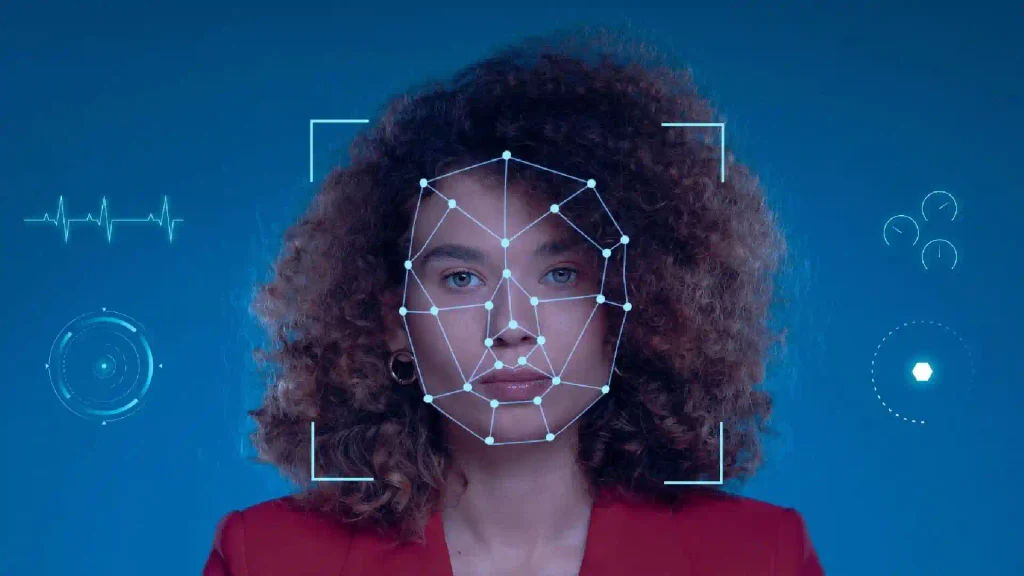
The major platforms increasingly recognize that disclosure cannot depend entirely on viewers spotting synthetic content themselves.
Meta expanded its approach to labeling AI-generated images, audio and video, using industry signals and user disclosures to provide additional context. It has also developed labeling for advertisements created or significantly edited using its own generative AI advertising tools.
YouTube requires creators to disclose realistic altered or synthetic content, including examples such as digitally replacing one person’s face with another or synthetically generating a person’s voice. The company says AI used merely for productivity tasks such as script generation or automatic captions does not trigger the same disclosure requirement.
That distinction offers a useful model for marketers.
AI assistance does not necessarily undermine authenticity. A creator using software to improve editing efficiency is fundamentally different from a synthetic avatar appearing to provide a personal endorsement the real individual never made.
Brands therefore need a vocabulary more sophisticated than “AI-generated.”
Campaign documentation could identify whether AI was used for editing, translation, voice synthesis, visual generation or full synthetic representation. More importantly, brands should record whether each use was authorized by the creator.
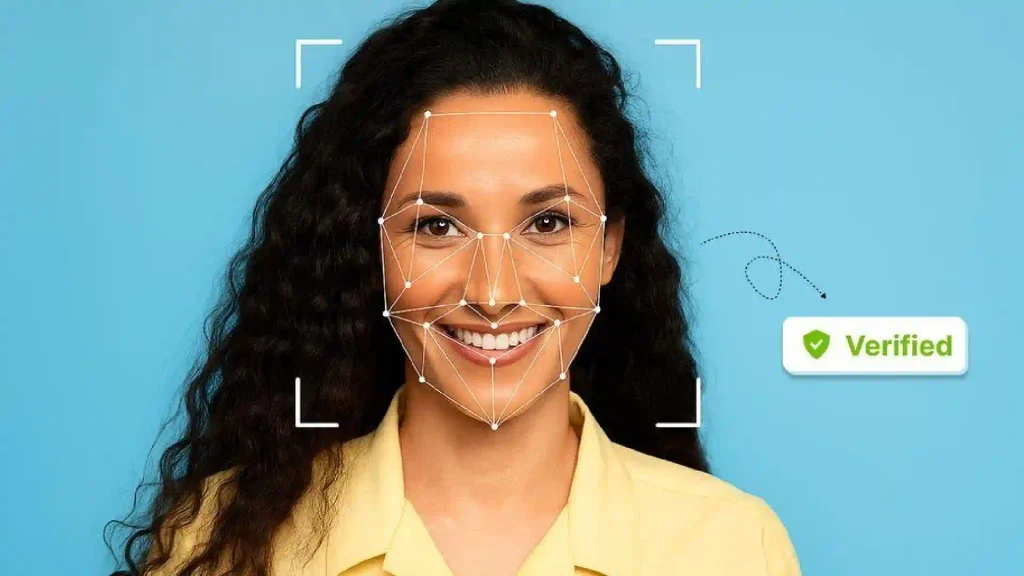
Content provenance standards could eventually make this easier. Technologies such as C2PA credentials can attach information about the origin and editing history of digital media. They are not a complete answer, particularly because metadata can be absent and fraudulent content can circulate through multiple channels, but provenance can provide another layer of evidence.
The future of influencer marketing may consequently resemble cybersecurity: no single protection is sufficient. Trust will come from several layers working together.
Regulators Are Treating Synthetic Endorsements as an Advertising Issue
Deepfake influencer campaigns are not merely a technology-policy question. They can also become an advertising compliance problem.
The U.S. Federal Trade Commission finalized a rule in 2024 targeting fake reviews and testimonials. Among other practices, the rule addresses testimonials that falsely represent someone who does not exist, including AI-generated fake reviews, as well as certain false celebrity testimonials. It also prohibits buying or selling fake indicators of social media influence under specified circumstances.
The principle is important for marketers internationally even where specific laws differ: automation does not erase responsibility for deceptive advertising.
A marketing team cannot safely assume that synthetic content becomes acceptable simply because an AI system produced it.
For global campaigns, the challenge is greater because rules governing endorsements, image rights, advertising disclosures, privacy and AI-generated media vary across jurisdictions. A synthetic creator campaign acceptable under one regulatory framework may create different obligations elsewhere.
Brands should therefore treat AI authorization as a contractual issue before treating it as a creative opportunity.
Influencer agreements increasingly need to answer questions that traditional contracts may not cover adequately: Can the brand clone the creator’s voice? Can it generate new footage using the creator’s likeness? In which countries? On which platforms? For how long? Can the model be retained after the campaign? Can an agency or technology vendor access it? What happens to generated assets after termination?
These are not minor production details. They concern ownership and control over a person’s commercial identity.
Brands Need an Authenticity Protocol, Not Just an AI Policy
A broad corporate statement about “responsible AI” is no longer enough for companies spending heavily on creator marketing.
Brands need operational procedures that teams can use before, during and after a campaign.
First, contracts should explicitly define permitted uses of a creator’s face, voice and synthetic likeness. Silence should not be interpreted as permission to generate new performances.
Second, brands should establish a verification chain for every paid endorsement. Agencies, creators and brand teams should be able to confirm who approved the final asset and whether generative AI materially changed the person’s appearance, speech or message.
Third, synthetic content should be disclosed clearly when it could reasonably lead consumers to believe they are watching an authentic recording. Disclosure should not be treated as embarrassing fine print. In an AI-heavy media environment, transparency can become a competitive advantage.
Fourth, brands need monitoring and escalation systems. A fraudulent endorsement can spread outside the original account, meaning social listening should include unauthorized uses of key creators and executives.
Finally, companies need crisis plans prepared before a deepfake appears. The first hours matter. Brands should know who contacts the creator, who requests platform removal, who communicates publicly and how consumers are warned about fraudulent offers.
This is particularly important because creator marketing is rapidly becoming institutionalized. The IAB reported that brands increasingly view creators as a standalone advertising channel rather than simply another social-media tactic. As budgets mature, governance needs to mature with them.
Authenticity Could Become the Creator Economy’s Next Premium Product
AI will not end influencer marketing. It may instead divide it into different categories of trust.
At one end will be fully synthetic virtual personalities whose audiences knowingly engage with fictional or AI-generated identities. There is nothing inherently deceptive about that model when the nature of the character is clear.
At the other end will be human creators whose commercial value increasingly depends on verifiable authenticity.
Between them will sit hybrid creators using AI to translate, edit, personalize or scale their content with explicit permission and transparent boundaries.
The winners may be creators and brands that make those boundaries easiest to understand.
In practical terms, authenticity could become something companies measure and communicate in the same way they now communicate brand safety. Agencies may offer verified-creator programs. Platforms may deepen likeness protection and provenance systems. Creator contracts may include standardized synthetic-media rights, while campaign dashboards may eventually record whether assets are human-recorded, AI-assisted or synthetically generated.
The fundamental economics remain attractive. Creator advertising is growing because audiences want people, personalities and communities that feel closer than traditional corporate media.
Deepfakes do not destroy that demand.
They make genuine human connection scarcer, and therefore potentially more valuable.
The Way Forward
The creator economy is entering a period in which seeing and hearing will no longer automatically constitute proof.
Brands should respond by treating authenticity as infrastructure rather than an assumption. Creator consent must be explicit, AI usage documented, synthetic endorsements clearly disclosed and unauthorized impersonations monitored aggressively.
Creators, meanwhile, have an incentive to establish recognizable channels where followers can verify partnerships and report suspicious content. Platforms will need to continue improving disclosure, provenance and likeness-protection tools without making legitimate creative uses of AI unnecessarily difficult.
The competitive question is changing. It is no longer simply, “Can AI help us create more content?”
It is becoming, “Can our audience prove that the content came from us?”
For an industry built on personal credibility, the answer may determine which brands and creators retain trust in the AI era.
FAQs:
What is an AI deepfake in influencer marketing?
An AI deepfake is synthetic or significantly manipulated media that realistically imitates a person’s face, voice or behavior. In influencer marketing, it can make it appear that a creator endorsed a product or delivered a message they never actually recorded.
Why are deepfakes dangerous for influencer marketing?
Influencer marketing relies on audiences believing that a real creator stands behind a recommendation. Unauthorized deepfakes can create false endorsements, damage reputations, enable fraud and make consumers suspicious of legitimate creator content.
Can brands legally use an influencer’s AI-generated likeness?
Permission depends on contracts and applicable laws. Brands should obtain explicit authorization defining how a creator’s face, voice or synthetic likeness may be generated, distributed, modified and retained rather than assuming a standard sponsorship agreement provides those rights.
How can brands protect influencer campaigns from deepfakes?
Brands can combine explicit AI clauses in contracts, creator verification, content provenance, transparent disclosures, social monitoring and a rapid-response procedure for fraudulent content. The strongest approach uses several layers rather than relying solely on AI detection.
Will AI replace human influencers?
AI is likely to expand virtual and synthetic creator formats, but human influencers retain an important advantage: genuine relationships with audiences. As synthetic media becomes more common, verifiable human authenticity may become an even more valuable marketing asset.