


In the race for customer attention, marketers are facing a fundamental shift. Third-party cookies are disappearing, privacy regulations are tightening, and consumers are becoming more selective about how their information is used. Amid this transformation, one asset has emerged as the most valuable currency in digital marketing: first-party data.
Brands that once relied heavily on third-party tracking are now rebuilding their strategies around direct customer relationships. The companies winning in this new era are not necessarily those with the biggest advertising budgets, but those with the strongest data ecosystems.
From global retailers to fast-growing startups, first-party data is becoming the foundation for personalization, customer retention, and sustainable growth. In many ways, it has become the modern marketer’s equivalent of gold: rare, valuable, and increasingly essential.

What Is First-Party Data?
First-party data refers to information a company collects directly from its audience through owned channels. This includes website activity, purchase history, CRM records, email engagement, mobile app usage, surveys, loyalty programs, and customer service interactions.
Unlike third-party data, which is purchased from external providers, first-party data comes straight from the source: the customer.
Examples include:
- Email subscribers collected through a brand’s website
- Purchase behavior from an ecommerce platform
- Customer preferences saved inside a mobile app
- Survey responses and feedback forms
- Loyalty program activity
The value lies in both accuracy and consent. Since the data is collected directly, brands typically have stronger transparency and clearer permission to use it.
According to McKinsey & Company, organizations that effectively leverage customer behavioral insights consistently outperform peers in sales growth and marketing efficiency.
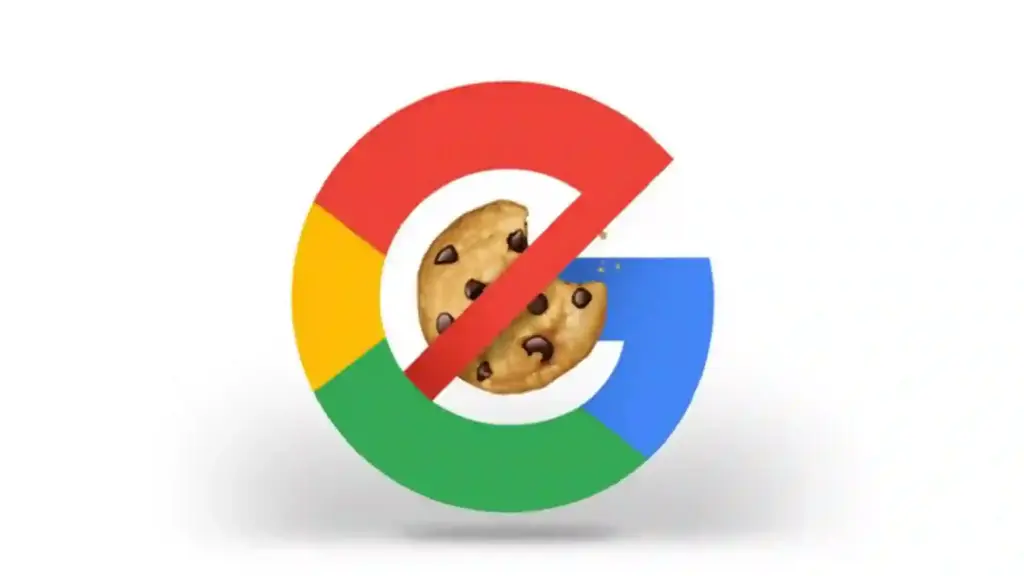
The Death of Third-Party Cookies Changed Everything
For years, digital advertising depended on third-party cookies to track users across websites. Marketers used these tools to build audience profiles, target ads, and measure campaign effectiveness.
That model is now collapsing.
Google Chrome, which controls a majority share of the browser market, has steadily moved toward limiting cross-site tracking technologies. Meanwhile, privacy laws such as the European Union’s GDPR and California’s CCPA have introduced stricter rules around data collection and consent.
At the same time, consumers are demanding more transparency. Research from PwC found that trust has become a major purchasing factor, especially among younger digital consumers.
This shift forced marketers to answer a difficult question:
How do you personalize experiences when you can no longer rely on borrowed audience data?
The answer is first-party data.
Why First-Party Data Delivers Better Marketing Results
Stronger Personalization
Consumers no longer respond to generic campaigns. They expect relevant recommendations, tailored messaging, and personalized experiences across every channel.
First-party data enables brands to understand customer behavior with far greater precision.
A streaming platform can recommend shows based on viewing history. An ecommerce retailer can suggest products based on previous purchases. A fintech app can personalize financial insights according to user activity.
The result is more meaningful engagement.
Amazon built much of its growth engine around behavioral data and recommendation systems. Personalized recommendations reportedly drive a substantial share of its ecommerce revenue.
Similarly, Netflix uses first-party viewing data to shape everything from content recommendations to original programming decisions.
Higher Return on Advertising Spend
Paid advertising costs continue to rise across platforms like Meta Platforms and Google.
Marketers are under pressure to achieve better returns with smaller margins for error.
First-party data improves targeting quality because brands already understand customer intent and behavior. Existing customers are also typically cheaper to retain than acquiring entirely new audiences.
This creates a more efficient marketing cycle:
- Better audience segmentation
- More relevant campaigns
- Higher conversion rates
- Lower acquisition costs
Brands with strong first-party data strategies can also build “lookalike” audiences more effectively within advertising ecosystems.
The Rise of Customer Trust as a Competitive Advantage
Trust is becoming one of the most important assets in business.
Consumers are increasingly willing to share data, but only when there is a clear value exchange. People will provide their email address, preferences, or shopping habits if they receive convenience, personalization, rewards, or exclusive access in return.
That means marketers must rethink data collection entirely.
Instead of silently tracking users, successful brands are creating transparent relationships.
For example:
- Loyalty programs offering personalized rewards
- Interactive surveys with tailored recommendations
- Subscription models with customized experiences
- Members-only communities and content
Starbucks has built one of the world’s most effective loyalty ecosystems through its rewards app, collecting valuable behavioral insights while improving customer retention.
The lesson is clear: consumers are not against data collection. They are against unclear or exploitative data practices.
First-Party Data Powers Omnichannel Experiences
Modern customers interact with brands across multiple touchpoints:
- Websites
- Mobile apps
- Physical stores
- Social media
- Customer support
First-party data helps unify these interactions into a single customer view.
This is especially important as businesses pursue omnichannel strategies. A customer who browses products online may later purchase in-store. Another may discover a product through social media before completing the transaction through email marketing.
Without connected first-party data, these journeys become fragmented.
Retailers like Nike have invested heavily in direct-to-consumer ecosystems that integrate apps, ecommerce, memberships, and retail experiences into a connected customer journey.
The strategy allows brands to maintain ownership over customer relationships rather than relying entirely on external marketplaces or advertising platforms.
AI Is Increasing the Value of First-Party Data
Artificial intelligence is amplifying the importance of proprietary customer data.
AI systems depend on quality inputs. The more relevant and accurate the data, the more effective the predictions and personalization become.
This creates a major advantage for companies with strong first-party data foundations.
AI-powered marketing can now:
- Predict customer churn
- Automate personalized recommendations
- Optimize email timing
- Generate dynamic website experiences
- Forecast purchasing behavior
However, AI models trained on generic or low-quality external data often produce weak results.
In contrast, proprietary customer insights give brands a unique competitive moat that competitors cannot easily replicate.
According to Deloitte Insights, companies that combine AI with customer-centric data strategies are seeing measurable gains in customer engagement and operational efficiency.
The Challenges Marketers Still Face
Despite its advantages, building a first-party data strategy is not simple.
Many organizations still struggle with:
- Fragmented customer databases
- Legacy technology systems
- Poor data governance
- Lack of internal expertise
- Compliance concerns
Collecting data is only the first step. The real challenge is transforming raw information into actionable insights.
Smaller businesses may also face resource limitations compared to enterprise companies with dedicated analytics teams.
However, the democratization of CRM platforms, marketing automation tools, and AI-powered analytics is lowering the barrier to entry.
Platforms like HubSpot and Salesforce are helping businesses of all sizes centralize and activate customer data more effectively.
How Brands Can Build a Strong First-Party Data Strategy
The most successful organizations are approaching first-party data as a long-term business asset rather than a short-term marketing tactic.
Key strategies include:
Invest in Value Exchanges
Customers share information when they receive something meaningful in return.
Examples:
- Exclusive content
- Personalized offers
- Loyalty rewards
- Faster checkout experiences
- Customized recommendations
Prioritize Transparency
Clear communication around data usage builds trust and improves consent rates.
Simple privacy policies and explicit opt-ins matter more than ever.
Unify Customer Data
Centralized customer profiles improve personalization and analytics across departments.
This often requires integrating CRM, ecommerce, email, and analytics platforms into a connected ecosystem.
Focus on Quality Over Quantity
More data does not automatically create better marketing.
High-quality behavioral signals are often more valuable than massive volumes of low-intent information.
Prepare for a Cookieless Future
Brands that wait too long to build direct customer relationships risk losing targeting effectiveness and audience visibility.
The transition is already underway.

The Future of Marketing Belongs to Relationship Builders
The era of easy tracking and unlimited third-party targeting is ending. In its place, a more relationship-driven marketing model is emerging.
First-party data sits at the center of this transformation.
Companies that build trust, create value, and develop direct customer relationships will have a lasting advantage in the years ahead. Those that continue depending heavily on external platforms may find themselves vulnerable as privacy expectations continue to evolve.
For marketers, the message is simple: owning the customer relationship is no longer optional. It is the foundation of sustainable growth.
And in today’s digital economy, first-party data may be the most valuable asset a brand can possess.
FAQs:
What is first-party data in marketing?
First-party data is information collected directly from customers through owned channels like websites, apps, email subscriptions, purchases, and loyalty programs.
Why is first-party data important?
It improves personalization, increases customer trust, boosts marketing ROI, and helps brands adapt to stricter privacy regulations.
How is first-party data different from third-party data?
First-party data comes directly from a brand’s audience, while third-party data is collected and sold by external providers.
Why are third-party cookies disappearing?
Privacy concerns, changing regulations, and browser restrictions are reducing the use of third-party tracking technologies.
How can businesses collect first-party data ethically?
Businesses should use transparent opt-ins, provide clear value exchanges, and communicate how customer data will be used.