


From dancing in supermarkets to dumping ice water over one’s head, viral challenges have become one of the defining rituals of the internet age. What began as quirky online entertainment has evolved into a global behavioral phenomenon influencing marketing, politics, philanthropy, and even public health.
Today, platforms like TikTok, Instagram, and YouTube are engineered to reward participation over passive viewing. The result is an ecosystem where millions of people feel compelled to imitate, remix, and share trends at unprecedented speed. Viral challenges are no longer niche internet culture. They are modern social currency.
The question is no longer why challenges go viral. It is why humans are so eager to join them.
The Psychology Behind Viral Challenges
At the center of every viral challenge lies a simple psychological trigger: belonging.
Humans are social creatures wired to seek acceptance within groups. Viral challenges create low-barrier opportunities to participate in a collective experience. Whether someone is recreating a dance trend or posting a “before and after” transformation, the challenge acts as a digital handshake signaling inclusion in a broader cultural moment.
Behavioral psychologists often point to “social proof,” a concept popularized by Robert Cialdini, which suggests people look to others when determining how to behave. When millions participate in a challenge, hesitation disappears. Participation begins to feel normal, even necessary.
This effect intensifies online because algorithms amplify visibility. The more engagement a challenge receives, the more platforms distribute it, creating a feedback loop of imitation and exposure.
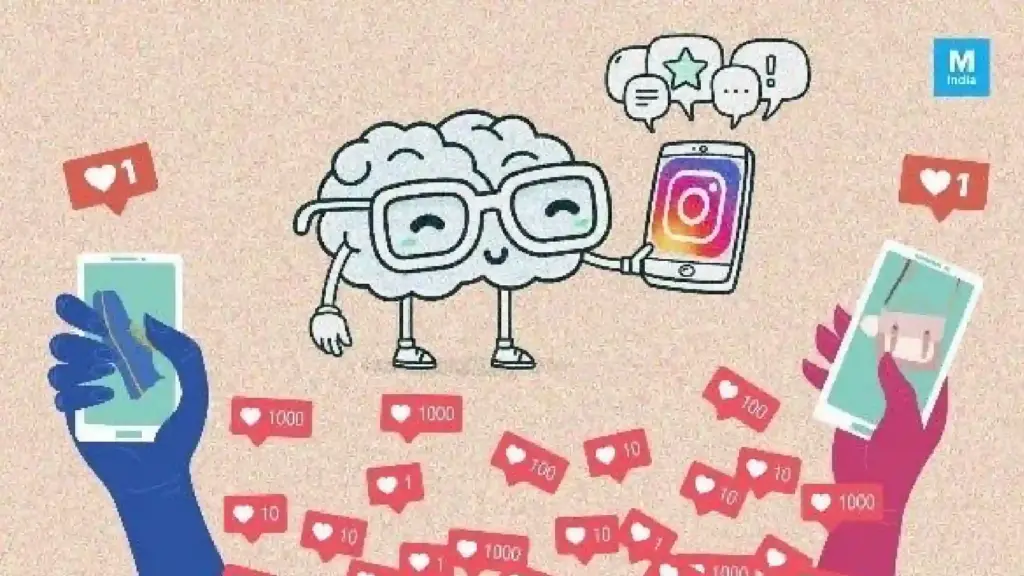
The emotional payoff is equally powerful. Likes, comments, and shares activate dopamine responses associated with reward and validation. In many ways, viral challenges gamify social interaction.
How Algorithms Turn Trends Into Global Movements
The modern viral challenge would not exist without recommendation algorithms.
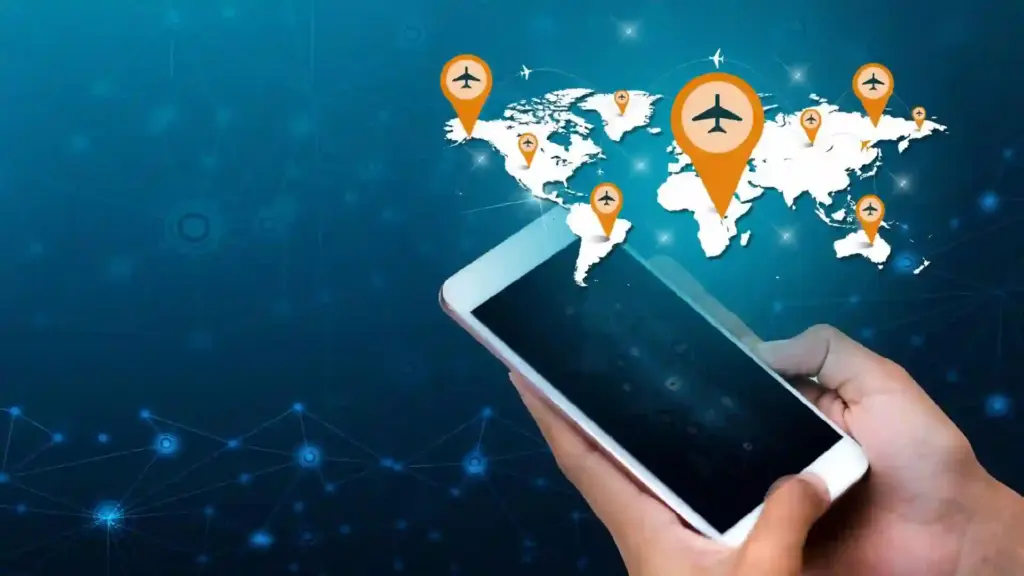
Platforms such as TikTok revolutionized discoverability by prioritizing content relevance over follower count. A teenager in Doha can launch a trend that reaches audiences in São Paulo, Seoul, and New York within hours.
Unlike earlier social networks that centered around personal connections, algorithm-driven feeds prioritize emotionally engaging content. Challenges work exceptionally well because they are:
- Easy to replicate
- Short-form and visually engaging
- Emotionally stimulating
- Designed for participation
- Ideal for repeat viewing
This architecture creates what media analysts call “participatory virality.” Users are not merely consuming content. They are reproducing it.
One of the clearest examples was the “Ice Bucket Challenge,” which exploded globally in 2014 to raise awareness for ALS Association. The campaign generated hundreds of millions of dollars in donations while demonstrating how social imitation can drive tangible impact.
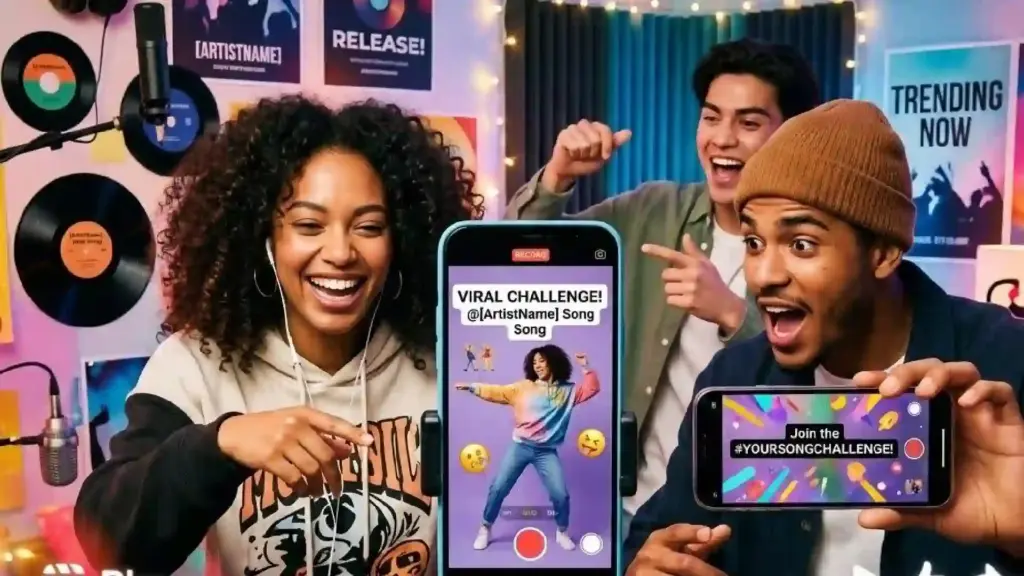
More recently, dance and audio trends on TikTok have shown how music clips can dominate global culture overnight. Songs from unknown artists suddenly become international hits because users repeatedly attach them to challenge formats.
The Business of Going Viral
Brands are no longer spectators in challenge culture. They are active participants.
Major companies increasingly design marketing campaigns around challenge mechanics because user-generated participation dramatically lowers advertising costs while increasing authenticity.
Fast-food chains, sportswear brands, and luxury labels now collaborate with creators to spark hashtag campaigns that encourage imitation. The formula is straightforward: create something simple enough for anyone to replicate but distinctive enough to feel culturally relevant.
For brands, viral challenges offer three major advantages:
1. Organic Reach
Traditional advertising interrupts audiences. Challenges invite them in.
When users voluntarily create content around a brand, distribution scales exponentially without requiring massive media spending.
2. Community Building
Challenges foster emotional connection rather than transactional engagement. Consumers feel involved rather than targeted.
3. Cultural Relevance
In today’s attention economy, relevance matters more than perfection. Participating in trends signals that a company understands internet culture.
Even legacy brands have adapted. Companies once associated with television commercials are now competing for meme relevance and TikTok visibility.
Why Younger Generations Embrace Challenges
Generation Z and younger millennials grew up in an environment where identity is increasingly performed online. Viral challenges offer a framework for self-expression while reducing creative pressure.
Instead of inventing entirely original content, users can personalize existing formats. This balance between conformity and individuality is central to challenge culture.
Research from digital behavior analysts consistently shows that younger audiences value participation more than observation. Online identity is no longer built solely through polished posts. It is shaped through interaction, remixing, and responsiveness to trends.
Importantly, challenges also create temporary digital communities. Shared participation generates a sense of synchronization across borders, languages, and cultures.
A dance challenge originating in South Korea may quickly appear in classrooms in Qatar, cafés in Paris, and college dormitories in Canada. Few cultural phenomena in history have spread with such speed and uniformity.
The Dark Side of Viral Challenges
Not every viral challenge is harmless entertainment.
As engagement incentives intensify, some creators push dangerous or unethical behavior to capture attention. Over the past decade, authorities worldwide have warned against reckless trends involving risky stunts, misinformation, or health hazards.
The problem is structural. Algorithms prioritize engagement, not necessarily safety or accuracy.
This creates a tension between platform growth and public responsibility. Companies including Meta and YouTube have increased moderation efforts, but harmful trends continue to surface because virality often rewards shock value.
Psychologists also warn about the emotional consequences of constant participation culture. Fear of missing out, validation dependency, and social comparison are amplified in environments where visibility becomes tied to relevance.
For younger users especially, the pressure to join trends can blur the line between entertainment and emotional obligation.
The Rise of “Micro-Virality”
One of the biggest shifts in recent years is the fragmentation of virality itself.
In the early internet era, viral moments tended to be universally recognizable. Today, algorithms create personalized trend ecosystems where users experience entirely different challenge cultures depending on interests, geography, and online behavior.
This has given rise to “micro-virality,” where niche communities generate highly intense but localized participation cycles.
Fitness communities, gaming audiences, beauty creators, and finance influencers all operate within their own challenge ecosystems. A trend that dominates one digital subculture may remain invisible elsewhere.
For marketers and creators, this shift means broad mass appeal is becoming less important than community resonance.
Can Viral Challenges Create Real Social Change?
The most fascinating aspect of viral challenges is their ability to convert attention into action.
The Ice Bucket Challenge remains the benchmark, but newer movements demonstrate similar potential. Mental health awareness campaigns, environmental initiatives, and charitable fundraising efforts increasingly use challenge frameworks to encourage participation.
The reason is simple: challenges reduce friction.
Instead of asking people to merely donate or advocate, they invite public action that combines entertainment with purpose. Participation becomes visible, shareable, and socially rewarded.
This model has transformed activism itself. Social causes now compete within the same attention economy as entertainment trends.
The challenge for nonprofits and advocacy groups is balancing visibility with authenticity. Audiences are increasingly skeptical of performative activism that prioritizes optics over measurable outcomes.
The Future of Viral Culture
Viral challenges are unlikely to disappear. If anything, they will become more immersive.
As augmented reality, artificial intelligence, and wearable technology evolve, future challenges may blend digital participation with physical environments in increasingly sophisticated ways.
Imagine AI-generated personalized challenges tailored to individual interests, or augmented reality experiences synchronized globally in real time.
The broader trend is clear: internet culture is moving from passive consumption toward interactive participation.
In that environment, viral challenges function as the social rituals of the digital age. They provide belonging, visibility, entertainment, and identity in a world increasingly mediated through screens.
The deeper truth is that people are not addicted to challenges themselves. They are addicted to connection.
Conclusion
The global obsession with viral challenges reflects far more than fleeting internet entertainment. It reveals how technology, psychology, and culture now intersect in everyday life.
Challenges succeed because they tap into timeless human desires: recognition, inclusion, creativity, and community. Social media platforms simply accelerated and monetized those instincts at global scale.
For businesses, viral trends offer marketing gold. For creators, they provide pathways to visibility. For audiences, they create moments of shared participation in an increasingly fragmented world.
But the phenomenon also raises critical questions about attention, mental health, and the responsibilities of platforms shaping digital behavior.
One thing remains certain: as long as humans seek connection, viral challenges will continue evolving alongside the technologies that spread them.
FAQ
Why do viral challenges spread so quickly?
Viral challenges spread rapidly because algorithms prioritize engaging and repeatable content. Their simplicity also encourages mass participation.
Which platform is most responsible for viral challenge culture?
TikTok is widely considered the dominant force behind modern challenge culture due to its algorithm-driven discovery system.
Are viral challenges beneficial or harmful?
They can be both. Some raise awareness and build community, while others encourage risky behavior or unhealthy social comparison.
Why are younger people more likely to participate?
Younger generations use social media as a primary form of identity expression and social interaction, making challenges especially appealing.
Can brands benefit from viral challenges?
Yes. Brands often use challenge-based marketing to increase visibility, user engagement, and cultural relevance organically.