

In today’s digital economy, websites no longer compete on aesthetics alone. They compete on experience. User-centered web design and development places real users at the heart of every decision, from layout and navigation to performance and messaging. The result is not just a beautiful site, but one that converts visitors into customers, subscribers, and advocates.
According to research by Forrester Research, a well-designed user interface can increase conversion rates by up to 200 percent, while better UX design can raise conversions by 400 percent. These gains are not accidental. They come from understanding user intent, reducing friction, and aligning business goals with user needs.
This article breaks down how user-centered web design and development works, why it matters for conversion optimization, and how organizations can implement it effectively using proven frameworks and real-world examples.

What Is User-Centered Web Design and Development?
User-centered web design and development is a methodology that prioritizes the needs, behaviors, and goals of end users throughout the entire website lifecycle. Instead of starting with what a business wants to say, it begins with what users want to accomplish.
This approach draws heavily from human-centered design principles popularized by the Nielsen Norman Group, which emphasizes usability, accessibility, and usefulness. In practical terms, it means involving users early, testing often, and iterating continuously.
A key data point underscores its value. A 2023 UX study found that every dollar invested in UX yields an average return of 100 dollars, largely due to higher conversions and lower support costs. User-centered design is not a creative preference. It is a strategic investment.
The Business Case: How User-Centered Design Drives Conversions
Conversion is the moment when user value and business value intersect. Whether the goal is a purchase, form submission, or signup, user-centered design removes barriers that prevent action.
Take the example of Amazon. Its relentless focus on reducing friction, from one-click checkout to personalized recommendations, has made usability a core growth driver. Small design decisions compound into massive revenue impact.
From a psychological perspective, users convert when they feel confident, understood, and in control. Clear navigation, predictable layouts, and fast load times reduce cognitive load. Trust signals such as reviews, security badges, and transparent pricing reduce perceived risk.
Businesses that align their design and development efforts with user intent consistently outperform competitors that rely on guesswork or internal opinions.
Core Principles of User-Centered Web Design
1. Deep User Research Before Design
Every successful user-centered website starts with research. This includes qualitative methods like interviews and usability testing, as well as quantitative data from analytics and heatmaps.
For example, Google uses continuous user research to refine its products. Even minor interface changes are tested extensively before global rollout. This discipline ensures that design decisions are grounded in evidence, not assumptions.
Effective user research answers three questions: who the users are, what they want to achieve, and what obstacles they face. These insights inform everything that follows.
2. Information Architecture That Matches User Mental Models
Information architecture is the backbone of usability. It determines how content is organized, labeled, and accessed. When structure aligns with how users think, navigation feels effortless.
A common mistake is organizing content around internal departments rather than user tasks. User-centered design flips this perspective. It uses card sorting and tree testing to validate that menus and pathways make sense to real users.
Data from usability studies shows that users who find what they need quickly are significantly more likely to convert and return.
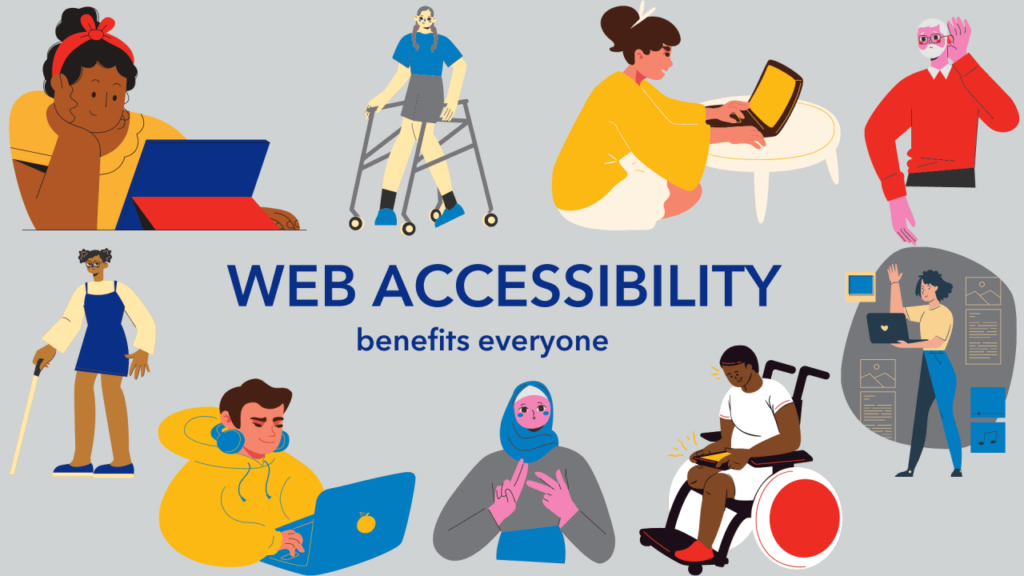
3. Design for Accessibility and Inclusivity
Accessibility is not optional. It is a conversion multiplier. Designing for users with disabilities improves usability for everyone, including mobile users and older audiences.
Standards like WCAG provide clear guidelines, but user-centered teams go further by testing with diverse user groups. Companies that invest in accessibility often see broader reach, stronger brand trust, and improved SEO performance.
Inclusive design also reflects global realities. International audiences bring different devices, bandwidth limitations, and cultural expectations. User-centered development accounts for these variables from the start.
User-Centered Development: Where Design Meets Performance
Design alone does not convert. Development choices play an equally critical role. Page speed, responsiveness, and technical stability directly affect user behavior.
A 2024 study by Google found that as page load time increases from one to three seconds, the probability of bounce increases by 32 percent. User-centered development prioritizes performance as a core UX feature.
This includes mobile-first development, clean code, optimized images, and scalable frameworks. The goal is simple: ensure that nothing technical interferes with the user’s journey.
Conversion Rate Optimization Through a User Lens
Conversion rate optimization, or CRO, is most effective when rooted in user-centered thinking. Instead of testing random button colors, high-performing teams test hypotheses based on user behavior.
For instance, if analytics show users abandoning a form halfway through, user-centered CRO asks why. Is the form too long? Are required fields unclear? Does the value proposition justify the effort?
Companies like Airbnb have famously used user research and iterative testing to simplify flows, resulting in significant conversion gains. The lesson is clear. Optimize experiences, not just elements.
Real-World Case Study: From Traffic to Trust
A mid-sized SaaS company redesigned its website using a user-centered framework in 2024. By conducting user interviews, it discovered that visitors were confused about pricing and product differentiation.
The redesign focused on clearer messaging, simplified navigation, and prominent social proof. Within three months, trial signups increased by 38 percent, and support inquiries dropped by 22 percent.
The success was not driven by radical visuals, but by alignment with user expectations. This is the quiet power of user-centered web design and development.
Measuring Success: Metrics That Matter
User-centered teams measure success beyond vanity metrics. While traffic is important, conversion-focused metrics provide deeper insight.
Key indicators include task completion rate, time on task, bounce rate, and conversion rate by segment. Qualitative feedback from usability tests adds context to quantitative data.
Leading organizations review these metrics continuously, treating websites as evolving products rather than static assets.
The Future of User-Centered Web Design
As AI, personalization, and voice interfaces mature, user-centered principles will become even more critical. Technology will increase possibilities, but human needs will remain constant.
The future belongs to organizations that listen, test, and adapt. Websites that convert will be those that respect user time, reduce effort, and deliver value clearly.
User-centered web design and development is not a trend. It is the foundation of sustainable digital growth.

Conclusion: Actionable Takeaways for Leaders and Teams
User-centered web design and development aligns business goals with user needs, creating experiences that convert naturally. Start with research, design with empathy, develop for performance, and optimize through continuous learning.
For leaders, the mandate is clear. Invest in understanding users as deeply as you understand markets. For teams, the opportunity lies in collaboration across design, development, and strategy.
In a crowded digital landscape, the most competitive advantage is not louder messaging, but better listening.
FAQs:
1. What is user-centered web design?
User-centered web design focuses on building websites around user needs, behaviors, and goals. It prioritizes usability, clarity, and accessibility to create better digital experiences.
2. How does user-centered design drive business growth?
User-centered design improves engagement, conversion rates, and customer satisfaction. When users find a website easy and enjoyable to use, they are more likely to return and take action.
3. What role does user research play in web development?
User research helps teams understand real user problems and expectations. Insights from testing and feedback reduce guesswork and lead to more effective design decisions.
4. Is user-centered design more expensive or time-consuming?
It can require more upfront effort, but it saves time and cost in the long run. Fewer redesigns and higher conversion rates often deliver a strong return on investment.
5. How can businesses start adopting user-centered web design?
Businesses can start by gathering user feedback, simplifying navigation, and testing designs regularly. Even small usability improvements can create meaningful growth over time.