


For decades, the global standards of web design and development were set by Silicon Valley, Western Europe, and a handful of tech capitals. Today, that center of gravity is shifting. Emerging markets across Asia, Africa, Latin America, and the Middle East are not just catching up. They are actively reshaping how websites are designed, built, and experienced.
With more than 5 billion internet users worldwide as of 2024, the next wave of digital growth is overwhelmingly coming from emerging economies. These users access the web differently. They rely more on mobile devices, face inconsistent connectivity, and prioritize speed and practicality over visual excess. As a result, designers and developers in these regions are pioneering approaches that are leaner, more inclusive, and more adaptable than traditional Western models.
This article explores how emerging markets are redefining web design and development, why these innovations matter globally, and what founders, designers, and product leaders everywhere can learn from them.
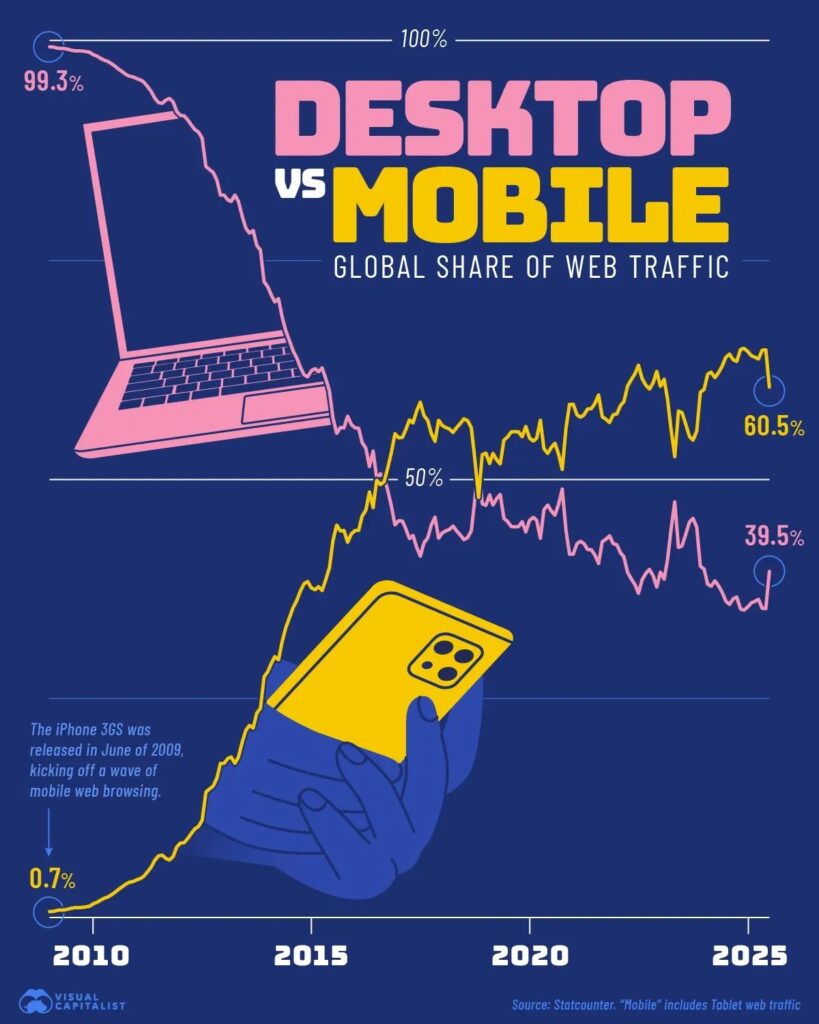
Mobile-First Became Mobile-Only
In developed markets, mobile-first design is often a best practice. In emerging markets, it is a necessity. According to GSMA data from 2024, over 70 percent of internet users in regions like South Asia and Sub-Saharan Africa access the web exclusively through smartphones.
This reality has fundamentally changed design priorities. Pages must load in seconds, even on 3G networks. Navigation needs to work seamlessly on small screens. Content must be readable with minimal scrolling and no heavy assets.
Companies like Google recognized this early when they introduced initiatives such as lightweight web standards and performance-focused frameworks. Local startups followed suit, building products that assume limited bandwidth and older devices by default.
The global takeaway is clear. Mobile-first is no longer enough. Mobile-only thinking is becoming the new benchmark for effective web design.
Designing for Low Bandwidth and High Constraints
One of the most influential contributions from emerging markets is the discipline of constraint-driven design. When bandwidth, data costs, and device memory are limited, every design decision must justify its existence.
Developers in countries like India, Nigeria, and Indonesia routinely optimize images, reduce JavaScript dependencies, and eliminate unnecessary animations. Progressive loading, offline caching, and compressed assets are not optional features. They are core requirements.
A well-known example is the lightweight version of popular services that consume a fraction of the data used by their full-feature counterparts. This approach has proven so effective that global platforms now adopt similar performance optimizations for all users, not just those in emerging markets.
Ironically, what started as a workaround for scarcity is now recognized as best-in-class engineering.

Inclusive UX for First-Time Internet Users
In many emerging economies, millions of users are experiencing the internet for the first time. This has pushed designers to rethink assumptions that Western products often take for granted.
Interfaces must be intuitive without relying on prior digital literacy. Icons need clear labels. Forms require guidance. Error messages must be instructive rather than technical. Language support is critical, with many platforms offering interfaces in multiple regional languages.
This focus on clarity and accessibility aligns closely with global accessibility standards, even when it is not formally labeled as such. The result is user experiences that are easier for everyone, including older users, people with disabilities, and non-native speakers.
As global audiences diversify, inclusive UX principles born in emerging markets are becoming universally relevant.
Frugal Innovation in Development Practices
Emerging markets have also redefined how web products are built, not just how they look. With smaller budgets and lean teams, developers prioritize modular architectures, open-source tools, and rapid iteration.
Frameworks that emphasize simplicity and performance are often favored over complex stacks. Developers focus on shipping usable features quickly and refining them based on real-world usage rather than theoretical perfection.
This mindset echoes the philosophy behind many successful global startups. It also aligns with the growing popularity of no-code and low-code platforms, which democratize development and reduce costs.
In an era of economic uncertainty, frugal innovation is no longer a constraint. It is a competitive advantage.
Local Context Shapes Global Design Trends
One of the most underestimated influences of emerging markets is cultural context. Payment habits, trust signals, and content consumption patterns vary widely across regions, and web design must reflect these realities.
For example, cash-based economies transitioning to digital payments require interfaces that emphasize security, transparency, and confirmation at every step. Social proof often carries more weight than brand aesthetics. Messaging apps sometimes function as primary platforms for commerce, blurring the line between websites and conversational interfaces.
Global companies entering these markets quickly learn that copying Western design templates rarely works. Instead, they adapt local patterns that later inspire global redesigns.
This reverse innovation is reshaping design systems worldwide.
The Rise of Emerging Market Talent Hubs
Another critical factor is talent. Emerging markets are producing a rapidly growing pool of skilled designers and developers who bring fresh perspectives shaped by local challenges.
Countries like India, Vietnam, Brazil, and Kenya have become global outsourcing and remote work hubs. But beyond cost advantages, these professionals offer deep experience in building scalable, resilient products under real-world constraints.
As remote collaboration becomes the norm, their influence on global web standards continues to grow. Design decisions once made in a single office are now shaped by distributed teams across continents.
The future of web design is no longer centralized. It is collaborative and global.
What Global Businesses Can Learn
The lessons from emerging markets are not theoretical. They are practical and immediately applicable.
First, prioritize performance over polish. Speed builds trust. Second, design for the least advantaged user, not the ideal one. Third, embrace simplicity in both design and development. Finally, listen to local users and let their behavior guide decisions.
Brands that internalize these principles often find that their products perform better everywhere, not just in emerging markets.
As digital competition intensifies, the ability to learn from these regions may define the next generation of market leaders.
Conclusion: A New Center of Gravity for the Web
Emerging markets are no longer followers in web design and development. They are leaders. Through necessity, they have pioneered mobile-first realities, inclusive user experiences, and efficient development practices that the rest of the world is now adopting.
As billions of new users come online over the next decade, the web will increasingly reflect their needs, behaviors, and contexts. Designers and developers who ignore this shift risk building products for a shrinking audience.
The future of the web is being shaped in places once considered peripheral. For global businesses, the smartest move is to pay attention and learn fast.

FAQs:
1. Why do emerging markets influence web design trends?
They require websites to work on low bandwidth, affordable devices, and across many languages. This leads to faster, simpler, and more accessible designs that benefit global users.
2. What web design principles stand out in emerging markets?
Mobile-first layouts, lightweight code, clear navigation, and fast loading speeds are most common. These principles now align with global UX best practices.
3. How does mobile usage affect web development in these regions?
Smartphones are often the main internet access point, pushing developers to optimize for small screens, low data usage, and touch-based interaction.
4. Are global companies adopting these approaches?
Yes. Many businesses now use simplified interfaces, faster pages, and localized content inspired by emerging markets.
5. What is the future impact on web design?
Emerging markets will continue shaping a more inclusive, efficient, and globally adaptable web experience.