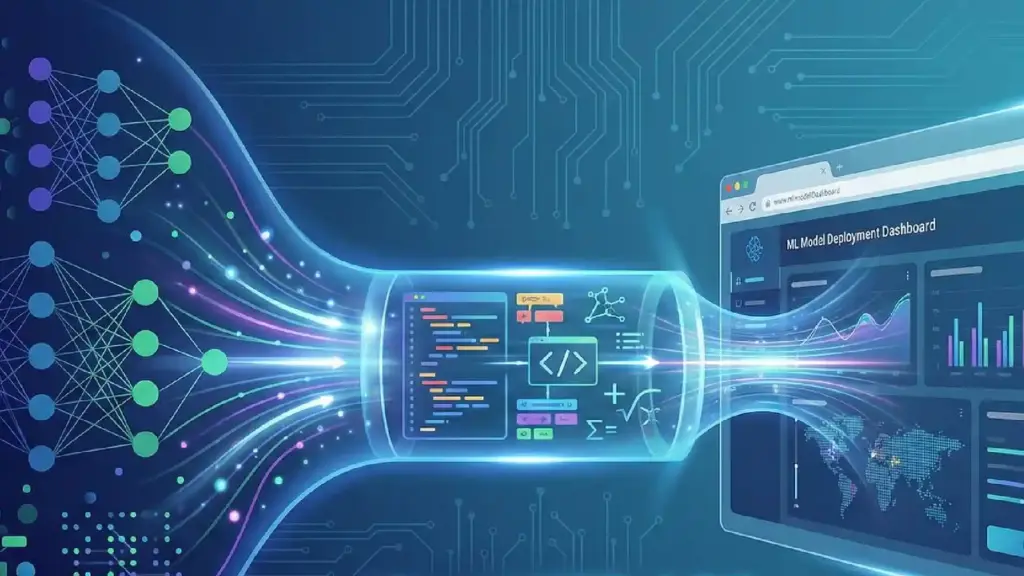


The web development landscape is evolving faster than ever, and 2026 is shaping up to be a pivotal year for developers, businesses, and digital innovators. Today’s web isn’t just about designing visually pleasing sites; it’s about building intelligent, high-performance digital experiences that adapt to user needs in real time. Emerging technologies like artificial intelligence, progressive web apps, and edge computing are transforming how we build, deploy, and scale web applications. Understanding these trends isn’t optional, it is essential for any developer who wants to remain competitive in a rapidly changing industry.
In this comprehensive guide, we’ll explore the most critical trends that will define web development in 2026, from AI-assisted workflows to new architectural paradigms. Each trend isn’t just a buzzword these are strategic shifts backed by adoption in real projects and enterprise usage. Whether you’re focused on front-end frameworks, backend performance, user accessibility, or developer productivity, these insights will help you anticipate and prepare for the next wave of innovation.
AI-Driven Development Will Become the Norm
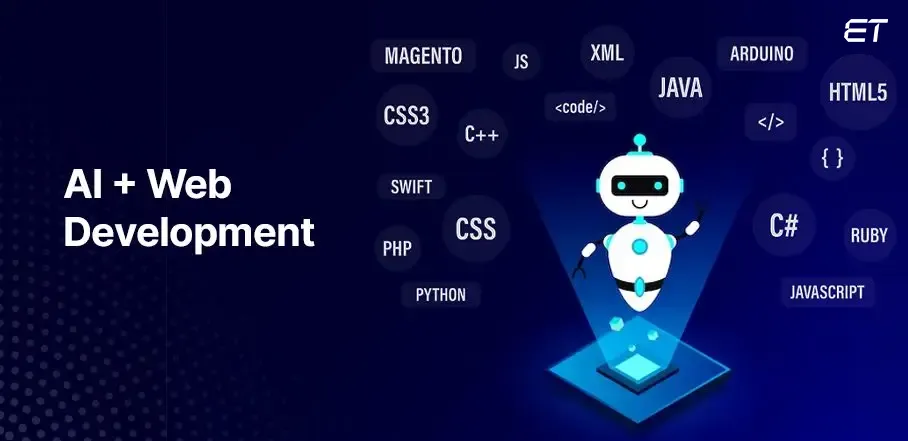
Artificial intelligence continues to radically reshape the development process. Gone are the days when AI was a novelty; today it is integrated deeply into workflows from code generation and debugging to UX personalization. Tools powered by large language models and machine learning can suggest code, automate testing, optimize performance, and even generate entire application components.
AI-assisted development accelerates delivery cycles and reduces repetitive manual effort. On large teams, this means more focus on architectural design and strategic problem solving, rather than boilerplate tasks. While human oversight remains crucial, developers who learn to work with AI copilots position themselves for higher productivity and innovation.
Key impacts:
- Accelerated prototyping and deployment
- Reduced development costs
- Enhanced personalization through real-time user interaction
Edge Computing and Performance-First Architectures
Speed and responsiveness have never been more important. Users expect near-instant load times and seamless experiences across devices, and edge computing is critical to delivering on that promise. By processing data closer to the user not in distant centralized servers edge-first architectures dramatically reduce latency and improve performance.
Today’s developers are adopting edge functions, serverless architecture, and distributed hosting to make applications faster and more resilient. This shift aligns with modern performance priorities like Web Core Vitals and conversion optimization metrics that directly affect user engagement and SEO.
Progressive Web Apps (PWAs) Redefine Mobile Experience
Progressive Web Apps (PWAs) blur the line between websites and native applications. They offer offline support, push notifications, and app-like engagements all without requiring distribution through app stores. This makes PWAs an attractive option for businesses seeking high engagement at lower development costs.
In 2026, PWAs will continue to gain traction as the default approach for mobile and cross-platform experiences. They significantly improve retention and accessibility by ensuring users can interact with content even under poor network conditions.
WebAssembly Powers Next-Level Web Applications
WebAssembly (Wasm) opens the door for near-native performance on the web. Where traditional JavaScript may struggle with compute-heavy tasks, WebAssembly lets developers compile code in languages like Rust, C++, or Go to run efficiently in the browser.
This is transformative for use cases such as real-time 3D rendering, video editing in the browser, advanced data visualization, and high-performance gaming experiences. As Wasm tooling matures, more mainstream developer frameworks will integrate or support Wasm modules directly ushering in a new class of web applications.
Jamstack and Decoupled Architectures
Jamstack (JavaScript, APIs, and Markup) and headless approaches continue to grow in popularity. By decoupling the frontend from backend services, developers can deploy faster, scale securely, and optimize independently.
These architectures align with modern expectations for modular development where each piece of the stack can be swapped, scaled, or improved without impacting the whole system. This flexibility is particularly valuable in enterprise environments where performance and maintainability are critical.
Low-Code and No-Code Tools Democratize Web Building
Low-code and no-code platforms are no longer limited to simple landing pages. In 2026, they empower non-technical teams to build sophisticated digital experiences with intuitive interfaces and reusable components.
While custom development remains indispensable for complex projects, these platforms accelerate internal tools, prototypes, and MVPs reducing backlogs and empowering business users. Forward-thinking developers will use low-code as part of a blended workflow, focusing their expertise where it matters most.
Accessibility, Security, and Ethical Development
As the web becomes more central to daily life, accessibility and security have moved from best practices to foundational requirements. Designs must meet inclusive standards, ensuring people of all abilities can interact with content. At the same time, emerging threats especially those leveraging AI and automation demand new approaches in cybersecurity and privacy by design.
Zero-trust architecture, biometric authentication, and DevSecOps practices are now mainstream priorities. Developers who understand both the technical and ethical implications of their choices build trust with users and reduce regulatory risks.
Immersive and Interactive Web Experiences
Beyond functional interfaces, web development is exploring immersive user experiences through 3D graphics, WebXR (extended reality), and advanced animations. While not universal, these technologies are gaining traction in industries like e-commerce, education, and entertainment where engagement drives outcomes.
Combined with AI and real-time communication protocols, immersive experiences will redefine what “interactive” means on the web making digital environments feel intuitive and alive.
Conclusion
The web in 2026 is not just faster or smarter it’s more intelligent, inclusive, and user-centric. Developers who embrace AI-assisted tools, performance-first architectures, and emerging technologies like WebAssembly and PWAs will craft experiences that truly resonate with users. Whether you are building enterprise solutions or innovative startups, understanding these trends now will position you for success in a landscape defined by rapid change and high expectation.
FAQs :
1. What is the biggest web development trend in 2026?
The biggest trend is AI-augmented development. AI tools now assist with coding, testing, debugging, and documentation, but human developers remain responsible for architecture, quality, and business logic.
2. Are traditional frontend skills still relevant in 2026?
Yes. HTML, CSS, and JavaScript fundamentals are more important than ever. While tools evolve quickly, strong fundamentals allow developers to adapt to new frameworks, runtimes, and AI-assisted workflows.
3. Why is performance such a critical focus for modern web developers?
Performance directly impacts user retention, conversion rates, and search rankings. In 2026, slow websites lose users and revenue quickly, making optimization a core business skill, not just a technical one.
4. Do web developers need to understand backend and infrastructure now?
Increasingly, yes. With serverless, edge functions, and cloud-native platforms, modern developers benefit from understanding deployment, scalability, and cost trade-offs even if they specialize in frontend work.
5. How important is security knowledge for web developers today?
Security is essential. Developers are expected to understand authentication, data protection, and secure coding practices by default. Trust and compliance have become competitive advantages for digital products.