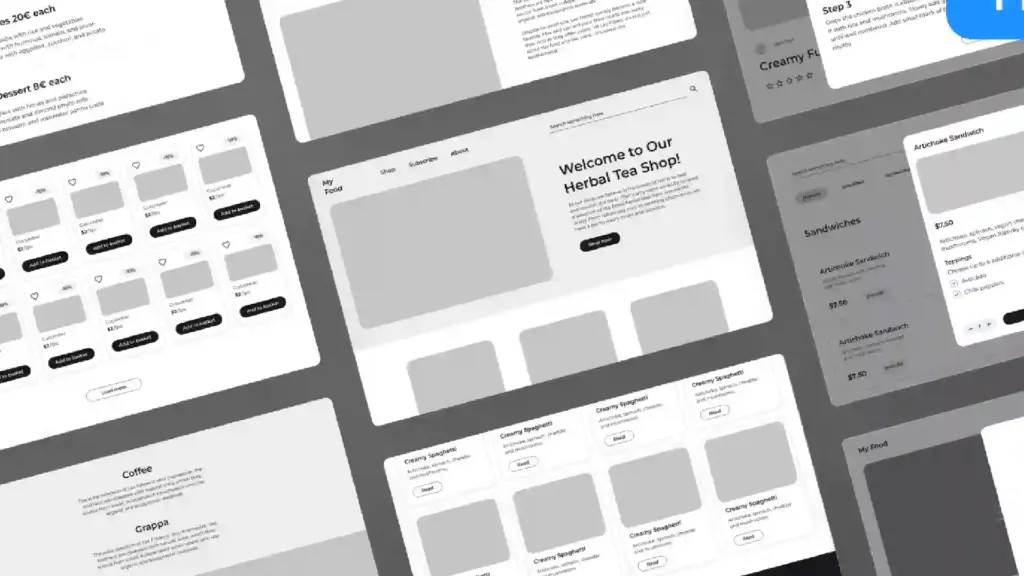


The web is undergoing its most profound transformation since the mobile revolution. What once revolved around static pages and responsive layouts now spans artificial intelligence, accessibility mandates, performance engineering, and immersive experiences. For the next generation of web designers and developers, learning HTML and CSS is no longer enough. They are expected to think like product strategists, behave like engineers, and design with empathy for a global audience.
According to industry surveys published in 2024, more than 65 percent of companies now expect designers to understand front-end logic, while developers are increasingly asked to contribute to UX decisions. The boundaries are blurring, and the market rewards those who can operate at the intersection of design, technology, and business. This article outlines the essential skills that will define successful web professionals over the next decade and why mastering them is no longer optional.

Design and Development Are Converging Into One Discipline
For years, designers designed and developers built. That separation is fading fast. Modern product teams want hybrid professionals who understand how design decisions affect performance, scalability, and maintainability.
In practice, this means designers must learn the fundamentals of front-end development, while developers must develop an eye for layout, typography, and interaction design. Tools like Figma and modern design systems have accelerated this convergence by turning visual decisions into reusable components that directly map to code.
A 2023 report from McKinsey showed that companies integrating design and engineering teams outperform competitors by up to 32 percent in revenue growth. The lesson is clear. The next generation of web designers and developers must speak a shared language rooted in systems thinking, not silos.
Artificial Intelligence Is Becoming a Core Web Skill
AI is no longer a novelty in web creation. It is becoming infrastructure. From layout generation and color palette suggestions to code completion and testing, AI-powered tools are reshaping how digital products are built.
Platforms such as OpenAI and GitHub have normalized AI-assisted workflows through design copilots and intelligent coding assistants. These tools can dramatically increase productivity, but only for professionals who understand how to guide them effectively.
The next generation must learn prompt thinking, model limitations, and ethical considerations. Knowing when to rely on AI and when human judgment is essential will separate average practitioners from strategic leaders. As one senior product designer at Google noted in 2024, AI does not replace designers. It replaces designers who refuse to adapt.

User Experience Now Means Behavioral and Emotional Design
UX is no longer just about usability. It is about understanding human behavior at scale. Modern web professionals must grasp psychology, accessibility, and cultural context to design experiences that feel intuitive and inclusive.
Consider accessibility. With regulations like the European Accessibility Act taking effect in 2025, accessibility is shifting from a best practice to a legal requirement. Designers and developers must understand WCAG standards, semantic HTML, keyboard navigation, and assistive technologies.
A study by the World Health Organization estimates that over 1 billion people live with some form of disability. Ignoring accessibility is not only unethical, it is bad business. The next generation of web designers and developers must learn to design for the edges, because that is where innovation often begins.
Performance and Core Web Vitals Are Business Metrics
Speed is no longer a technical detail. It is a growth lever. Research from Google shows that a one-second delay in page load time can reduce conversions by up to 20 percent. As a result, performance optimization has become a core competency.
Modern web professionals must understand concepts like Core Web Vitals, lazy loading, image optimization, and efficient JavaScript execution. Frameworks and libraries can help, but they also introduce complexity. Knowing what to use, and what not to use, is a strategic decision.
For the next generation, performance engineering is not optional. It is part of the user experience, the SEO strategy, and ultimately the revenue model.
No-Code and Low-Code Are Changing Entry Paths
The rise of no-code and low-code platforms has democratized web creation. Tools like Webflow and Framer allow designers to ship production-ready websites without writing traditional code. This does not eliminate developers. It changes what they focus on.
For designers, learning these platforms accelerates time to market and deepens technical understanding. For developers, it shifts value toward customization, integrations, and complex logic that no-code tools cannot handle.
According to Gartner, by 2026 more than 75 percent of new applications will be built using low-code technologies. The next generation of web designers and developers must learn how to collaborate with these tools rather than dismiss them.
Security and Privacy Awareness Are Now Essential
As data breaches and privacy regulations increase worldwide, web professionals can no longer ignore security fundamentals. Understanding HTTPS, authentication flows, data handling, and privacy-by-design principles is critical.
With regulations like GDPR and evolving global standards, even design decisions such as form layout and cookie banners have legal implications. Developers must understand secure coding practices, while designers must consider how trust is communicated visually.
A 2024 IBM report estimated the average cost of a data breach at $4.45 million. Security literacy is no longer the domain of specialists alone. It is a baseline expectation.
Storytelling and Business Literacy Set Leaders Apart
Technical skills get you hired. Strategic thinking gets you promoted. The most successful web professionals understand the business goals behind the interface.
This means learning how to translate design and development decisions into outcomes like retention, conversion, and brand equity. It also means storytelling. Being able to explain why a solution matters to non-technical stakeholders is a career multiplier.
Case studies from global startups show that teams who align design metrics with business KPIs secure more executive buy-in and larger budgets. The next generation of web designers and developers must learn to think like entrepreneurs, not just creators.
Conclusion: The Web Professional as a Strategic Operator
The future of the web belongs to those who can adapt, learn continuously, and think beyond their job title. The next generation of web designers and developers will not be defined by a single skill, but by their ability to integrate design, technology, and human insight into cohesive digital experiences.
Those who embrace AI without losing creativity, prioritize accessibility alongside aesthetics, and understand business as deeply as code will shape the next era of the internet. The web is no longer just a platform. It is the primary interface between organizations and the world. The people who build it must rise to that responsibility.
FAQs:
1. What are the most important skills for modern web designers and developers?
The most critical skills today combine technical ability with strategic thinking. Beyond HTML, CSS, and JavaScript, professionals must understand AI-assisted design, responsive and adaptive UX, performance optimization, and cross-functional collaboration with product and data teams.
2. Why is AI literacy becoming essential for web professionals?
AI is no longer optional in modern web workflows. Designers and developers who understand how AI tools generate layouts, optimize content, and personalize user experiences can work faster, make better decisions, and deliver measurable business outcomes.
3. How important is UX and product thinking compared to coding skills?
UX and product thinking are now as important as coding. Employers expect web professionals to understand user behavior, conversion goals, and business metrics, not just how to build interfaces.
4. Are no-code and low-code platforms a threat to traditional developers?
No-code and low-code tools are not replacing developers, but they are changing the role. Developers who learn to extend, customize, and integrate these platforms gain a strong competitive advantage.
5. What soft skills matter most in modern web teams?
Communication, adaptability, and continuous learning are critical. As web technologies evolve rapidly, the ability to learn new tools, explain technical decisions, and collaborate across disciplines is often what separates top performers from the rest.