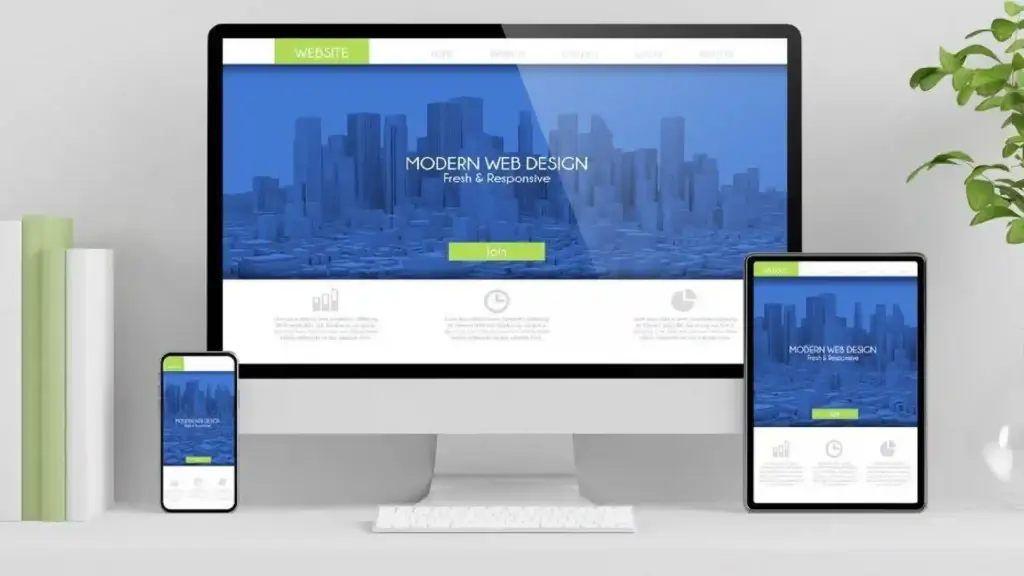


In the digital economy, your website is no longer just a mark
eting asset. It is your storefront, your sales team, and your first impression rolled into one. Studies consistently show that users form an opinion about a website in less than a second, and that snap judgment often determines whether they stay, engage, or leave. Great web design is not about aesthetics alone. It is about building trust quickly, guiding behavior intuitively, and removing friction from the customer journey.
For global entrepreneurs and business leaders, the stakes are high. A well-designed website can lift conversion rates, strengthen brand credibility, and directly drive revenue growth. A poorly designed one can quietly erode trust and push potential customers toward competitors. This article explores how great web design creates trust, how that trust translates into revenue, and what business leaders should prioritize to stay competitive in 2025 and beyond.
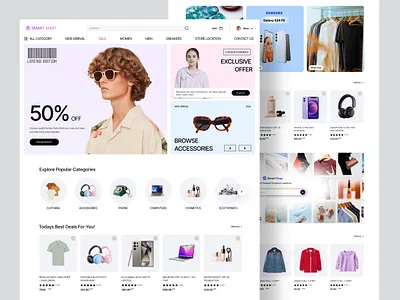
First Impressions: Design as a Trust Signal
When users land on a website, they subconsciously ask a simple question: “Can I trust this business?” Visual design is often the first answer they receive. Clean layouts, consistent branding, readable typography, and balanced color schemes signal professionalism and competence.
Research from Stanford University’s Web Credibility Project found that over 75 percent of users judge a company’s credibility based on its website design. This means design choices directly influence perceived legitimacy. A cluttered interface, outdated visuals, or broken elements suggest neglect and risk. In contrast, modern design communicates stability and attention to detail.
For example, financial technology companies invest heavily in minimalist design not because it looks fashionable, but because simplicity reduces anxiety. Clear spacing, predictable navigation, and restrained color palettes help users feel in control. Trust begins before a single word is read.
User Experience: Where Trust Becomes Confidence
Trust deepens when a website is easy to use. User experience design focuses on how smoothly visitors can find information, complete tasks, and move through the site. When navigation feels intuitive, users assume the company understands their needs.
One data point illustrates this clearly. Google research shows that 53 percent of mobile users abandon a site if it takes longer than three seconds to load. Speed is not just a technical metric; it is a trust factor. Slow websites feel unreliable, regardless of how strong the brand may be.
Great web design anticipates user intent. Clear menus, logical page hierarchy, and prominent calls to action reduce cognitive effort. When users do not have to think about how to use a website, they can focus on the value being offered. This confidence makes them more likely to sign up, request a demo, or complete a purchase.
Visual Hierarchy and Decision Making
Effective design guides attention. Visual hierarchy uses size, color, contrast, and placement to signal what matters most. Headlines stand out, key benefits are highlighted, and calls to action are impossible to miss.
From a revenue perspective, this matters enormously. Conversion rate optimization studies consistently show that small design changes, such as button placement or color contrast, can increase conversions by double-digit percentages. The reason is simple. Users prefer clarity over choice overload.
Consider an ecommerce product page. A strong hero image, concise product description, social proof, and a clear “Buy Now” button create a natural flow. Each element answers a question at the right moment. What is this? Why should I trust it? What do I do next? Great design turns curiosity into action.
Consistency Builds Brand Credibility
Consistency is a silent driver of trust. When fonts, colors, tone, and layout remain uniform across pages, users perceive the brand as cohesive and reliable. Inconsistent design creates friction and doubt, even if users cannot articulate why.
Global brands understand this well. Whether a customer visits from Asia, Europe, or Africa, the experience feels familiar. This consistency reassures users that they are dealing with an established organization rather than a fragmented operation.
From a business standpoint, consistency also improves efficiency. Design systems and reusable components reduce development costs and speed up updates. Over time, this allows companies to scale faster while maintaining a strong, recognizable identity.
Transparency and Credibility Signals
Great web design makes trust visible. Elements such as customer testimonials, case studies, security badges, clear pricing, and accessible contact information all reinforce credibility. The key is how these elements are presented.
Design determines whether credibility signals feel authentic or forced. Testimonials placed naturally within the user journey feel supportive. Overloaded trust badges scattered randomly feel defensive. White space, alignment, and typography influence how believable these signals appear.
According to Nielsen Norman Group, users actively look for reassurance when they are close to making a decision. Well-designed credibility cues at this stage can significantly reduce hesitation. This is where trust directly converts into revenue.
Mobile-First Design and Global Reach
Today, more than half of global web traffic comes from mobile devices. In many emerging markets, mobile is the primary, if not the only, way users access the internet. A mobile-first design approach is no longer optional.
Mobile-friendly design builds trust by respecting the user’s context. Buttons must be easy to tap, text must be readable without zooming, and forms must be simple. When mobile experiences feel effortless, users are more likely to complete transactions on the spot.
From a revenue perspective, mobile optimization expands reach. Businesses that neglect mobile design effectively close the door on millions of potential customers. Great web design meets users where they are, on the devices they use most.
Emotional Design and Brand Loyalty
Trust is not purely rational. Emotional design plays a powerful role in how users connect with a brand. Imagery, micro-interactions, and storytelling elements shape how a website feels.
Subtle animations can make interactions feel responsive and human. Authentic photography can convey inclusivity and realism. Thoughtful copy paired with clean design can make users feel understood.
Harvard Business Review has highlighted that emotionally connected customers are more valuable over time. They buy more, stay longer, and recommend brands more often. Great web design lays the foundation for this emotional connection by creating experiences that feel intentional rather than transactional.
Measuring the Revenue Impact of Design
For business leaders, the question is not whether design matters, but how to measure its impact. Key performance indicators such as conversion rate, bounce rate, average session duration, and customer acquisition cost all reflect design effectiveness.
A redesign focused on usability and clarity often leads to measurable gains within weeks. Companies frequently report increases in lead quality, higher checkout completion rates, and lower support inquiries after improving design.
Design is an investment, not a cost. When aligned with business goals, it becomes a revenue multiplier. The most successful companies treat design as a strategic function, integrated with marketing, product, and sales.

Conclusion: Design as a Growth Strategy
Great web design is one of the most powerful tools businesses have to build trust and drive revenue. It shapes first impressions, guides decisions, and reinforces credibility at every stage of the customer journey. In a crowded digital marketplace, trust is the differentiator, and design is how that trust is earned.
For entrepreneurs and executives, the takeaway is clear. Invest in user experience, prioritize clarity over complexity, and view design as a core part of your growth strategy. As digital competition intensifies, the brands that win will be those that make trust visible and effortless through great web design.
FAQs:
1. How does web design influence customer trust?
Professional design signals credibility. Clear navigation, fast loading speed, secure checkout, and consistent branding make visitors feel safe and confident.
2. Can better web design really increase revenue?
Yes. Improved UX, mobile responsiveness, and optimized calls to action can significantly boost conversion rates and customer retention.
3. What design elements build trust fastest?
SSL certificates, customer testimonials, clear pricing, real contact information, and clean layouts build immediate credibility.
4. How important is mobile responsive design?
Critical. With more than half of global web traffic coming from mobile devices, poor mobile design directly reduces sales and engagement.
5. What role does page speed play in revenue?
Slow websites increase bounce rates. Faster loading pages improve user experience, SEO rankings, and conversions.
6. How often should a company redesign its website?
Most businesses refresh their design every 2 to 3 years to stay modern, competitive, and aligned with user expectations.