


Web design is undergoing a quiet but profound transformation. There are no dramatic visual gimmicks, flashy animations, or loud redesign announcements. Instead, the most influential changes are subtle, almost invisible to casual users. Yet these changes are reshaping how people experience the internet every day. From how fast a page loads to how intuitively it responds to human behavior, modern web design has shifted from decoration to performance, trust, and intelligence.
This silent revolution is driven by evolving user expectations, mobile dominance, artificial intelligence, and global accessibility standards. Companies that understand these shifts are building deeper engagement and stronger brand credibility. Those that do not risk becoming digitally irrelevant. What looks like simplicity on the surface is often the result of complex strategic decisions underneath. In this article, we explore the forces behind this transformation and why web design is now one of the most powerful business tools of the digital economy.

From Visual Excess to Purposeful Minimalism
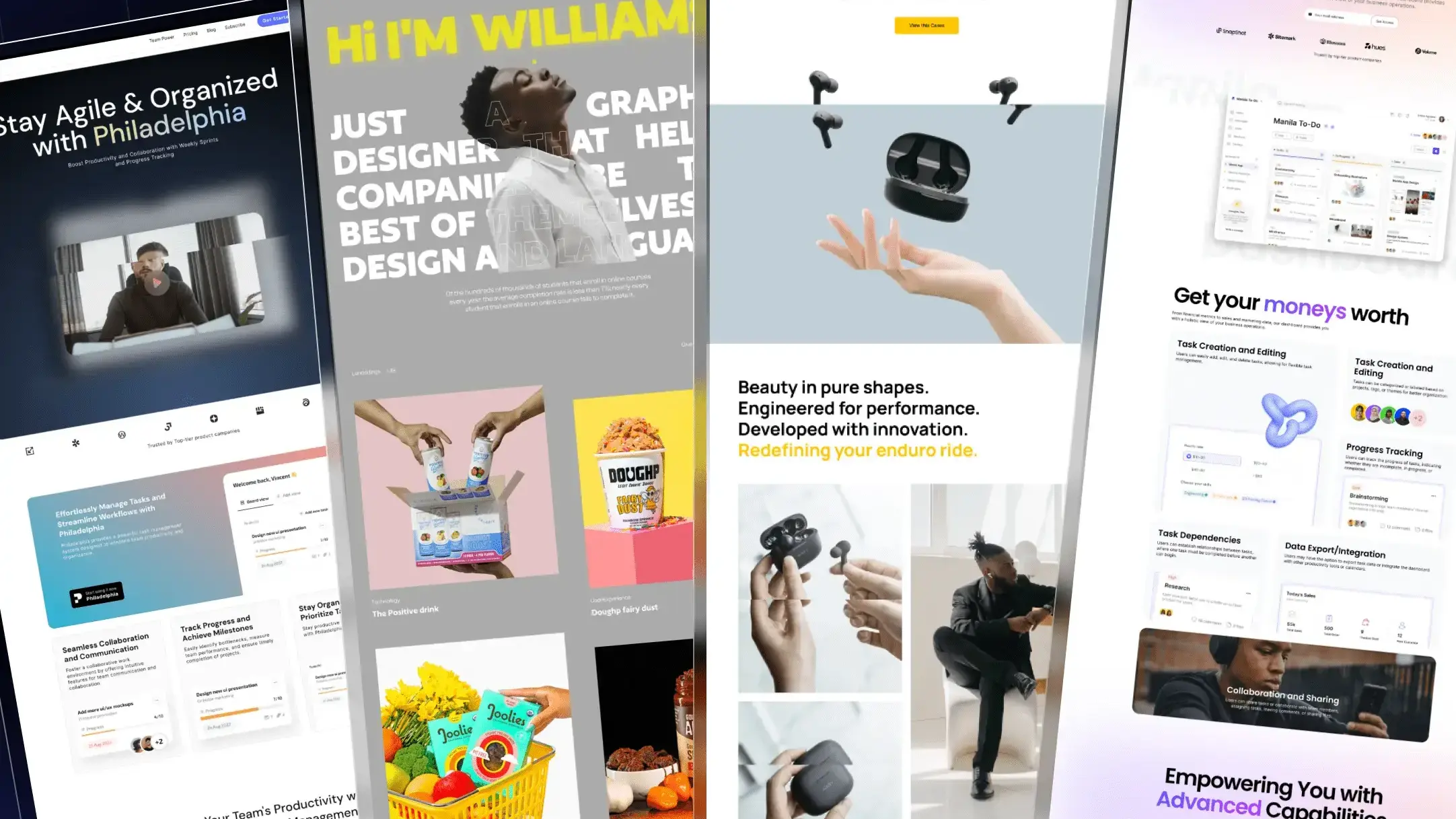
For much of the early 2010s, web design was defined by visual abundance. Parallax scrolling, heavy textures, sliders, and decorative animations were used to impress users. Today, the pendulum has swung sharply in the opposite direction. Purposeful minimalism has become the dominant philosophy.
Minimalism in modern web design is not about making sites look empty. It is about removing friction. Every element must justify its presence. Typography is clearer, color palettes are restrained, and layouts prioritize hierarchy and readability. According to a 2023 Google UX study, users form an opinion about a website in under 50 milliseconds, and clarity consistently outperforms complexity.
Brands like Apple have long understood this principle. Their web presence mirrors their product philosophy: clean, focused, and user-centric. The result is not just aesthetic appeal but trust. Users associate simplicity with confidence and competence, especially in an age overwhelmed by information.
Mobile-First Is No Longer Optional
Mobile-first design is no longer a trend. It is the default reality of the web. More than 60 percent of global web traffic now comes from mobile devices, according to Statista data from 2024. In many emerging markets, mobile is the only way people access the internet.
This shift has forced designers to rethink structure from the ground up. Navigation must be intuitive with one hand. Content must load instantly even on slower networks. Touch targets must be forgiving and accessible. Desktop layouts are now often secondary adaptations rather than the starting point.
Google’s mobile-first indexing, introduced fully in recent years, has also made this a ranking factor. Sites that fail to deliver a strong mobile experience suffer in search visibility. This has turned good design into a direct revenue and growth driver rather than a branding luxury.
Speed as the New Design Language
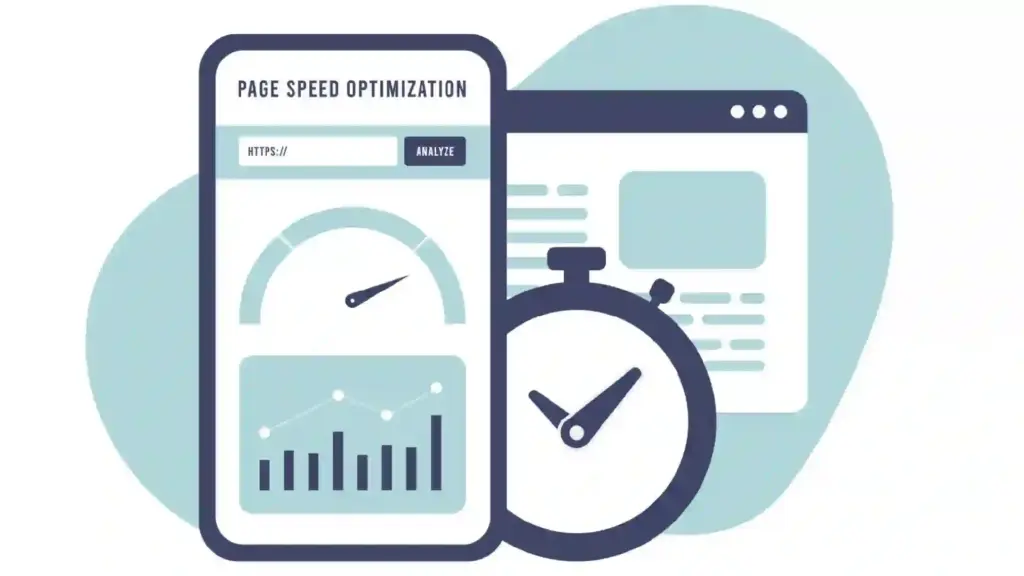
One of the most overlooked aspects of modern web design is speed. Users may not consciously notice a fast website, but they immediately feel a slow one. Performance has become a core design metric.
In 2022, Google reported that a one-second delay in mobile load times can reduce conversions by up to 20 percent. As a result, designers now work closely with developers to optimize images, reduce scripts, and streamline layouts. Lightweight frameworks, system fonts, and static site generation are increasingly common.
The rise of Core Web Vitals has formalized this shift. Metrics like Largest Contentful Paint and Cumulative Layout Shift directly influence SEO and user satisfaction. In this silent revolution, speed is not a technical afterthought. It is a visual and emotional experience.
Dark Mode and Adaptive Interfaces
Dark mode is more than a stylistic preference. It reflects a broader move toward adaptive interfaces that respond to user context. Modern websites increasingly adapt to system settings, location, time of day, and accessibility needs.
Dark mode reduces eye strain, conserves battery life on OLED screens, and gives users a sense of control. Companies like Google and Microsoft have standardized dark mode across their platforms, setting user expectations across the web.
This adaptability extends beyond color schemes. Font sizes adjust automatically. Motion is reduced for users with vestibular sensitivity. Language and content personalization are becoming more intelligent. The web is quietly becoming more human-aware.
AI Is Reshaping User Experience Behind the Scenes
Artificial intelligence is not always visible in web design, but its influence is growing rapidly. Recommendation engines, personalized layouts, predictive search, and dynamic content are increasingly powered by AI models.
E-commerce platforms now reorder content based on user behavior. Media sites adjust headlines depending on reading history. Even landing pages can subtly change layouts to optimize conversions in real time. According to McKinsey, companies that invest in AI-driven personalization see revenue increases of up to 15 percent.
The key point is subtlety. Users are not meant to notice the technology. They are meant to feel understood. This invisible intelligence is a defining feature of the silent web design revolution.
Accessibility as a Competitive Advantage
Accessibility used to be treated as a compliance checkbox. Today, it is becoming a strategic advantage. More than one billion people globally live with some form of disability, according to the World Health Organization. Inclusive design expands reach and builds brand equity.
Modern web design increasingly follows WCAG guidelines by default. High contrast ratios, keyboard navigation, screen reader compatibility, and clear semantic structure are now part of best practice. Legal pressures in regions like the United States and Europe have accelerated adoption, but the deeper motivation is usability for everyone.
Companies that invest in accessibility often discover that their sites become clearer, faster, and easier to use for all users. Accessibility is no longer a constraint. It is a catalyst for better design.
Trust, Privacy, and Ethical Design
As data breaches and dark patterns have eroded user trust, web design has taken on a new ethical dimension. Cookie consent banners, transparent data policies, and honest UX patterns are now central to credibility.
Users are increasingly sensitive to manipulation. Designs that trick users into subscriptions or hide opt-out options damage long-term trust. Ethical design emphasizes clarity, consent, and respect for user autonomy.
In regions governed by GDPR and similar regulations, trust-centric design is also a legal necessity. But beyond compliance, it signals maturity. In a crowded digital landscape, trust has become one of the strongest differentiators.
Conclusion: What This Means for Brands and Creators
The silent revolution in web design is not about trends you can easily spot. It is about philosophy. Simplicity over spectacle. Performance over decoration. Intelligence over noise. Empathy over manipulation.
For brands, this means investing in design as a strategic capability, not a cosmetic layer. For designers, it means understanding psychology, data, and technology as deeply as color and layout. For users, it means a web that feels calmer, faster, and more intuitive.
As artificial intelligence, mobile usage, and global connectivity continue to evolve, the most successful websites will be the ones that respect users’ time, attention, and trust. The revolution will remain quiet, but its impact will be unmistakable.
FAQs:
1. What are the new rules of web design in 2026?
The new rules prioritize performance, trust, and business outcomes over aesthetics alone. This includes AI-powered personalization, zero-click UX, accessibility by default, Core Web Vitals optimization, and ethical data usage. Modern web design now aligns closely with SEO, CRO, and brand strategy.
2. How important is page speed for modern websites?
Page speed is critical. According to Google research, a 1-second delay in mobile load time can reduce conversions by up to 20%. Core Web Vitals are now a direct ranking factor, making performance optimization both a user experience and SEO priority.
3. Is AI personalization necessary for small businesses?
Not necessarily complex AI, but intelligent personalization is increasingly expected. Even small businesses can use dynamic content, behavior-based recommendations, and automated chat to improve engagement and conversion rates.
4. What role does accessibility play in modern web design?
Accessibility is no longer optional. WCAG compliance improves usability for all users and protects businesses legally. Inclusive design expands audience reach and strengthens brand credibility globally.
5. How does web design impact SEO and conversion rates?
Web design directly affects bounce rate, dwell time, and user journey clarity. Structured content, fast load speeds, mobile optimization, and intuitive navigation improve both search rankings and revenue performance.